
The IDW TMNT reading order starts with Teenage Mutant Ninja Turtles #1 (2011), runs through #150, and continues in the series that restarted at #1 in 2024. Between those issues, microseries, specials, and events expand the same story. This guide shows you when to read them and which publications belong to other universes.
Editorial review: October 27, 2026. Issue numbers refer to the original U.S. editions. No ending spoilers, although story titles and the existence of certain characters may hint at upcoming changes.
Where should I start?
- I want the whole story: read The IDW Collection, volumes 1–18, then move on to the 2024 series.
- I already own single issues or individual collections: use the issue-by-issue reading order.
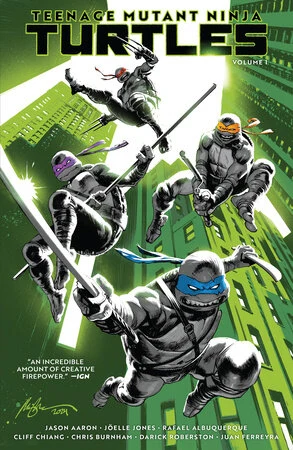
- I want a modern starting point: Return to New York, by Jason Aaron, opens the 2024 series. It works as a jumping-on point for new readers while keeping IDW’s earlier history intact.
- I’m only interested in The Last Ronin: you can read it separately. It has its own reading order.
The IDW TMNT timeline at a glance
IDW launched its own continuity in 2011, with Kevin Eastman, Tom Waltz, and Dan Duncan among its original creators. It reimagines the origins of Leonardo, Raphael, Donatello, and Michelangelo, and develops its own versions of Splinter, April, Casey, and the Foot Clan. You don’t need to read the Mirage comics or watch an animated series to understand it.
| Step | Main series | Story era |
|---|---|---|
| 1 | 2011: #1–50 | The origin, City Fall, and the first major turning point. |
| 2 | 2011: #51–100 | A new balance of power, Universe, and City at War. |
| 3 | 2011: #101–130 | Reborn: Mutant Town and Sophie Campbell’s run. |
| 4 | 2011: #131–150 | The Armageddon Game and the end of the original series. |
| 5 | 2024: a new #1 onward | The continuation with new numbering, plus Nightwatcher, Mutant Nation, and other spin-offs. |
A note on chronology: this is a reading timeline. The stories include flashbacks, past lives, and time travel. Moving every scene to the year it takes place would spoil the mysteries. Stories set in the past are best read when they provide context for the present-day narrative.
Collected editions: The IDW Collection, volumes 1–18
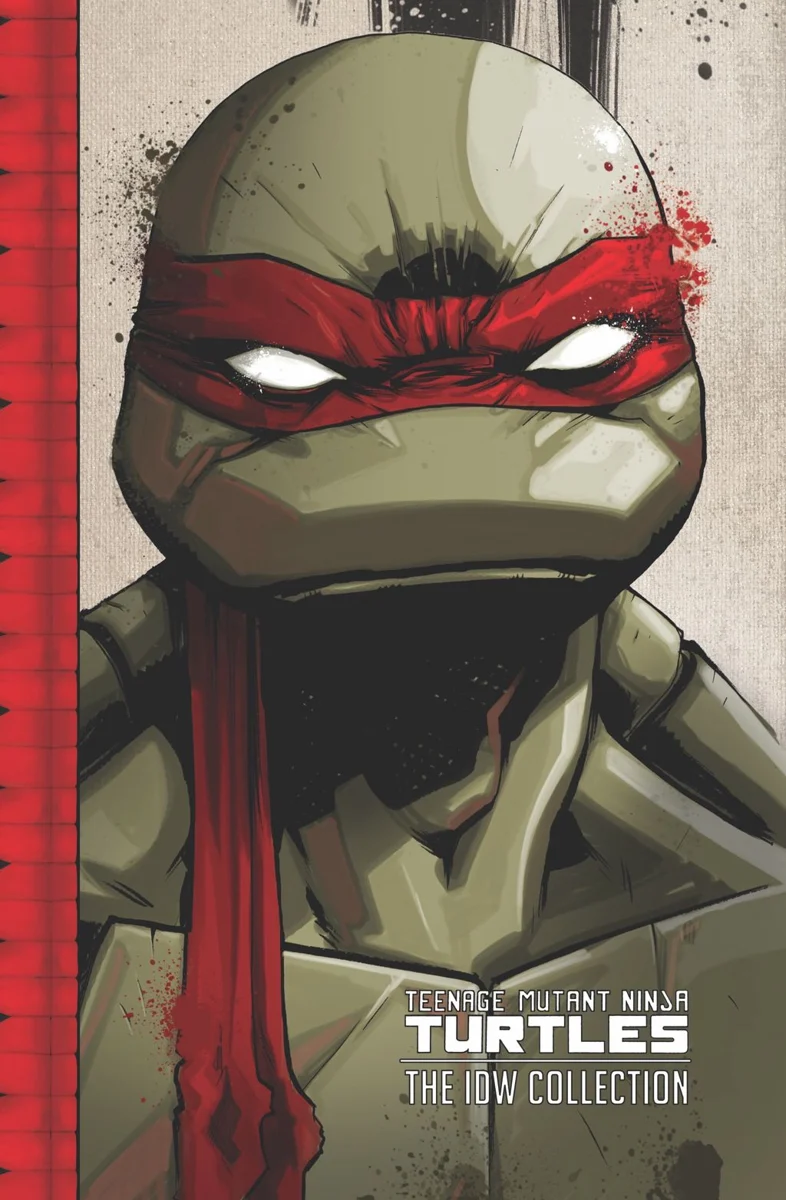
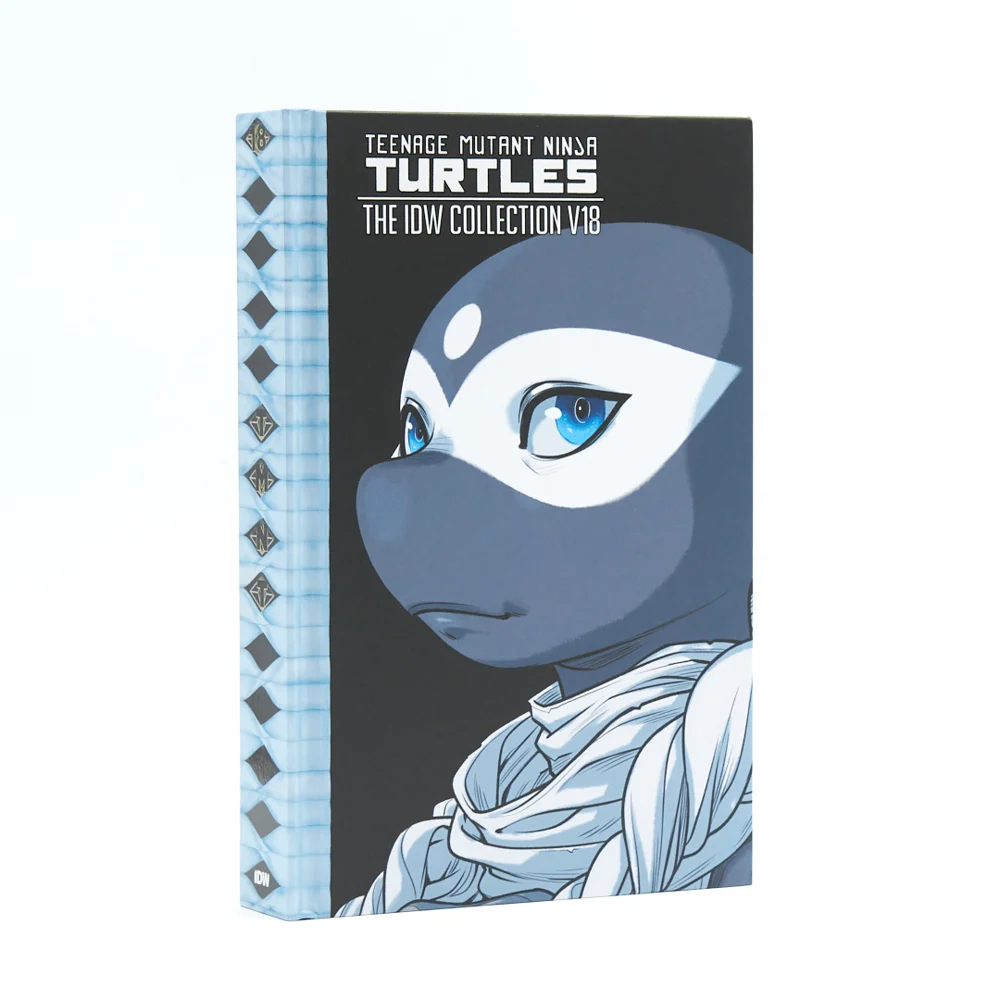
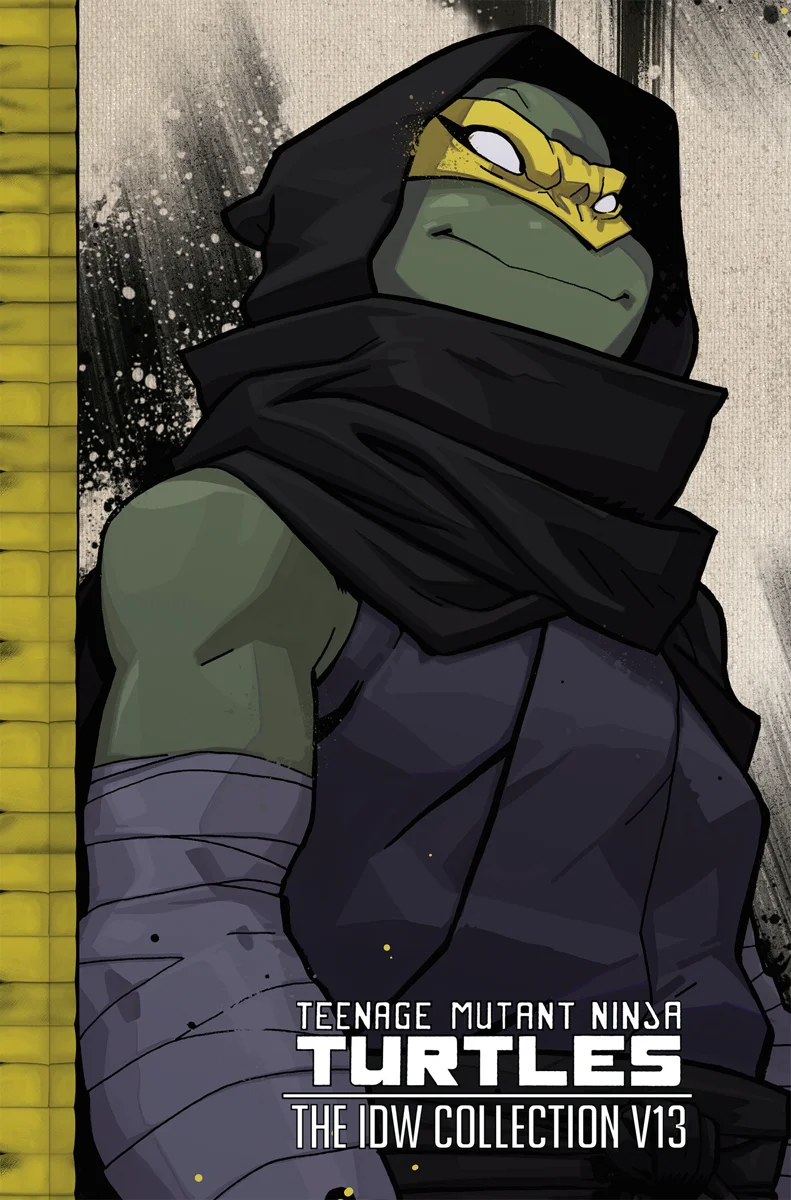
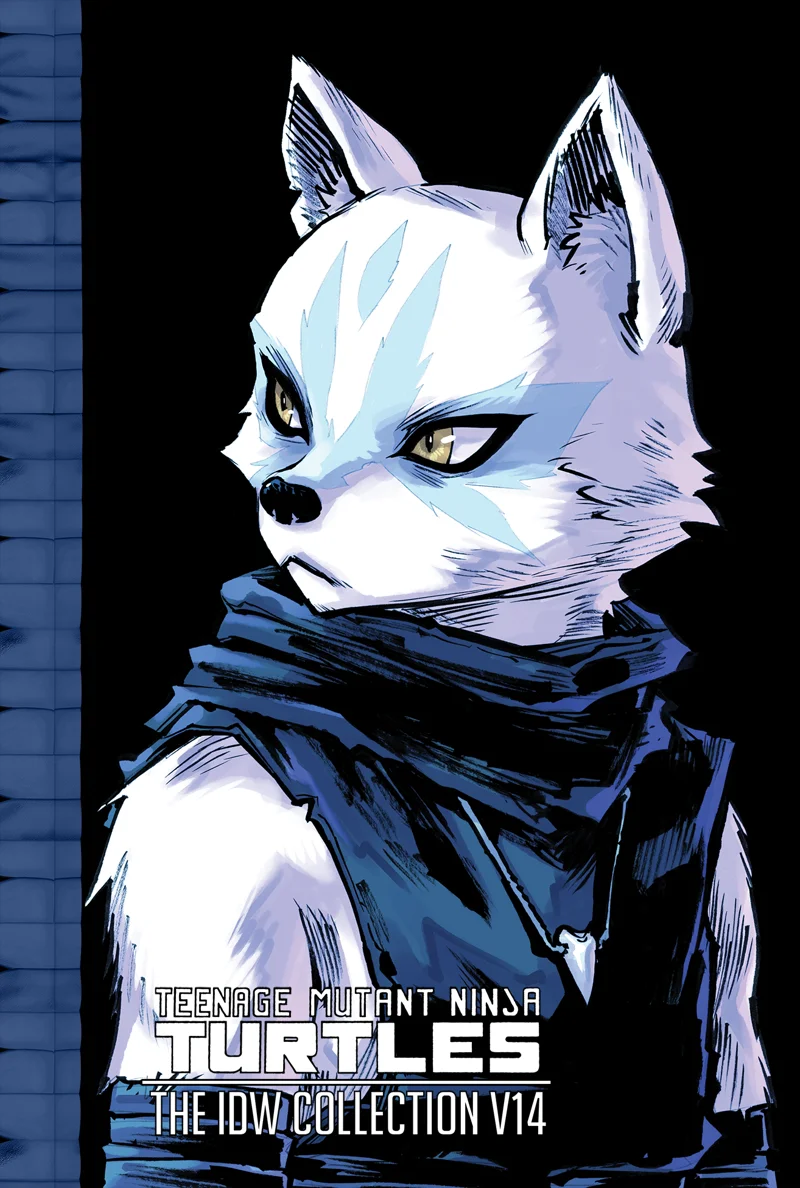
This is the easiest way to follow the saga alongside its main companion stories. IDW combines the ongoing series and miniseries in a recommended reading order. Start volume 1, read it from cover to cover, then move on to volume 2. The table below identifies what each book contains; it does not mean you should read every issue in the middle column first and then all the extras.
| Volume | 2011 ongoing series | Included miniseries and specials |
|---|---|---|
| 1 | #1–12 | Micro-Series: Raphael, Michelangelo, Donatello, Leonardo, and Splinter |
| 2 | #13–20 | Micro-Series: Casey Jones, April, and Fugitoid; Villains: Krang and Baxter Stockman; The Secret History of the Foot Clan #1–4 |
| 3 | #21–28 | Annual 2012; Villains: Old Hob, Alopex, Karai, Hun, Bebop & Rocksteady, and Shredder |
| 4 | #29–37 | Utrom Empire #1–3; Annual 2014 |
| 5 | #38–44 | Turtles in Time #1–4; TMNT/Ghostbusters #1–4 |
| 6 | #45–50 | Mutanimals #1–4; FCBD 2015; Casey & April #1–4 |
| 7 | #51–64 | The ongoing series, with no additional miniseries in this volume |
| 8 | #65–66 | Bebop & Rocksteady Destroy Everything! #1–5; Universe #1–8 |
| 9 | #67–72 | Universe #9–15; TMNT/Usagi Yojimbo (2017 one-shot) |
| 10 | #73–75 | Dimension X #1–5; Universe #19–20; TMNT/Ghostbusters II #1–5 |
| 11 | #76–84 | Universe #16–18 and #21–22; Macro-Series: Donatello |
| 12 | #85–89 | Universe #23–25; Bebop & Rocksteady Hit the Road #1–5; Macro-Series: Michelangelo and Leonardo |
| 13 | #90–100 | FCBD 2019: Casualty of War; Macro-Series: Raphael; Shredder in Hell #1–5 |
| 14 | #101–112 | Annual 2020; Jennika #1–3 |
| 15 | #113–124 | Jennika II #1–6 |
| 16 | #125–132 | Annuals 2021 and 2022; The Armageddon Game: Opening Moves #1–2 |
| 17 | #133–137 | The Armageddon Game #1–6; Alliance #1–5; the short story Teen Spirit |
| 18 | #138–150 | The Armageddon Game #7–8; Alliance #6; Annual 2023; The Untold Destiny of the Foot Clan #1–5 |
Each volume links to a publisher or distributor listing where you can check its contents. Depending on the edition, the collection also includes short stories. For a fuller checklist, the reading order below points out FCBD issues, anniversary stories, and other extras worth checking separately.
Watch the Universe numbering: #19–20 appear in volume 10, while #16–18 are in volume 11. This arrangement reflects where the stories fit. Also, don’t confuse the four Macro-Series with the earlier Micro-Series: they are different specials.
Complete issue-by-issue reading order: the 2011 series
How to use this list: here, “TMNT” refers specifically to the series that began in 2011. “#1–4” includes all four issues. An arrow indicates what to read next. FCBD stands for Free Comic Book Day; an Annual is an annual special, and a separately numbered miniseries starts again at #1.
The following sections offer a continuous route without switching titles more often than necessary. Some specials can fit in a slightly different nearby slot: this route does not reproduce The IDW Collection’s page-by-page arrangement. If you own those books, follow their internal order. Open the section that matches your current reading:
1. The origin and early microseries: #1–12
- TMNT #1–4 → A Lot to Learn, from the 30th Anniversary Special → TMNT #5.
- Micro-Series: Raphael → Micro-Series: Michelangelo → TMNT #6 → Micro-Series: Donatello.
- Optional extra: Infestation 2: Teenage Mutant Ninja Turtles #1–2. Read the two TMNT issues; the entire publisher-wide event is not required.
- TMNT #7–8 → Micro-Series: Leonardo → TMNT #9–10 → Micro-Series: Splinter → TMNT #11–12.
2. The Foot Clan and City Fall: #13–28
- Micro-Series: Casey Jones → TMNT #13–14 → Annual 2012 → Micro-Series: April → TMNT #15–16.
- Micro-Series: Fugitoid → TMNT #17–20 → Villains Micro-Series: Krang → Baxter Stockman → The Secret History of the Foot Clan #1–4.
- TMNT #21–22 → Villains: Old Hob → TMNT #23–24 → Villains: Alopex → Villains: Karai.
- TMNT #25 → Villains: Hun → TMNT #26 → Villains: Bebop & Rocksteady → TMNT #27–28 → Villains: Shredder.
3. Northampton, time travel, and consequences: #29–44
- TMNT #29 → Utrom Empire #1 → TMNT #30 → Utrom Empire #2 → TMNT #31–32 → Utrom Empire #3.
- Annual 2014 → TMNT #33–37 → Turtles in Time #1–4.
- TMNT #38–40 → TMNT/Ghostbusters #1–4 → TMNT #41–44.
4. The road to the #50 finale
- Mutanimals #1–4 → TMNT #45–46 → Free Comic Book Day 2015 special → TMNT #47–50.
- Casey & April #1–4. You can read the entire miniseries here before moving into the next era.
5. A new balance of power and TMNT Universe: #51–72
- TMNT #51–64 → Bebop & Rocksteady Destroy Everything! #1–5.
- Universe #1–4 → TMNT #65 → Universe #5–6 → TMNT #66 → Universe #7–8.
- TMNT #67–70 → Universe #9–10 → TMNT #71–72.
- TMNT/Usagi Yojimbo, 2017 one-shot → Universe #11–15.
6. Dimension X and the trial: #73–75
- Universe #19–20 → FCBD 2017: Prelude to Dimension X → TMNT #73.
- Dimension X #1–5 → TMNT #74–75 → TMNT/Ghostbusters II #1–5.
- The jump from Universe #15 to #19–20 is intentional in The IDW Collection’s arrangement. Issues #16–18 return in the next section.
7. The road to City at War: #76–89
- Universe #16–17 → TMNT #76–77 → Universe #18 → TMNT #78–80.
- Universe #21–22 → TMNT #81–84 → Macro-Series: Donatello → Macro-Series: Michelangelo.
- Universe #23–24 → TMNT #85 → Universe #25 → TMNT #86–88.
- Bebop & Rocksteady Hit the Road #1–5 → Macro-Series: Leonardo → TMNT #89 → Macro-Series: Raphael.
8. City at War and Shredder in Hell: #90–100
- TMNT #90–93 → FCBD 2019: Casualty of War → TMNT #94–99.
- Shredder in Hell #1–5 → TMNT #100. Finish the miniseries before reading #100.
- Road to 100 is an optional recap. Read it just before #100; don’t buy it expecting a new story chapter.
- IDW 20/20 visits a possible future. Read it as an extra after #100, rather than treating it as the continuity’s definitive ending.
9. Reborn, Mutant Town, and Jennika: #101–124
- TMNT #101 → Annual 2020 → TMNT #102–105 → Jennika #1–3.
- TMNT #106–112 → Jennika II #1–3 → TMNT #113–117 → Jennika II #4–6.
- TMNT #118–124 → Annual 2021.
- An extra from the 40th Anniversary Comics Celebration: Father’s Day can be read after #100. The anniversary special mixes several incarnations, so not every story in the book takes place in this universe.
10. Setting up The Armageddon Game: #125–132
- TMNT #125–130 → The Armageddon Game: Opening Moves #1–2 → Annual 2022 → TMNT #131–132.
- Also read FCBD 2022: Teenage Mutant Ninja Turtles before The Armageddon Game #1. Its alternate-world presentation does not make it a simple recap.
- Teen Spirit, from the 40th Anniversary Comics Celebration, accompanies the training in this era and can be read before the event begins.
11. The Armageddon Game: #133–139 and its miniseries
- Use the event-specific table immediately below. Alternate between the central miniseries, the ongoing series, and Alliance.
- If you own The IDW Collection, this material is split between volumes 17 and 18, with the setup in volume 16.
12. After Armageddon: #140–150
- Annual 2023 → TMNT #140–150 → The Untold Destiny of the Foot Clan #1–5.
- The Foot Clan miniseries takes place around the close of this era and sets up later stories. Reading it in full here avoids interrupting #150’s finale.
- Optional extra: TMNT/Usagi Yojimbo: WhereWhen #1–5. You can read this time-travel adventure after #139; it does not replace the 2017 Usagi one-shot.
After City Fall you can explore more context in our Dark Leonardo guide, which includes ArcadeBot’s video. It contains spoilers for that arc: read it after #28.
The Armageddon Game: complete event reading order
This event brings together three titles: The Armageddon Game #1–8, Alliance #1–6, and TMNT #131–139. Opening Moves #1–2 serves as the prelude. Reading only the ongoing series leaves out a significant part of the action.
Before starting, finish the 2020 and 2021 Annuals, Opening Moves #1–2, and TMNT #131–132. Add FCBD 2022 and Teen Spirit as companion stories. Then alternate between the titles as follows:
| Stage | Recommended sequence |
|---|---|
| 1 | The Armageddon Game #1 → TMNT #133 → The Armageddon Game #2 → Alliance #1 |
| 2 | TMNT #134 → The Armageddon Game #3 → Alliance #2 → TMNT #135 |
| 3 | The Armageddon Game #4 → Alliance #3 → TMNT #136 |
| 4 | The Armageddon Game #5 → Alliance #4 → TMNT #137 |
| 5 | The Armageddon Game #6 → Alliance #5 → TMNT #138 |
| 6 | Alliance #6 → The Armageddon Game #7 → TMNT #139 → The Armageddon Game #8 |
The crucial placement near the finale is Alliance #6 before The Armageddon Game #7. Next come Annual 2023 and TMNT #140–150. If you would prefer one book for the event, check the contents of The Armageddon Game Deluxe Edition; you can also follow The IDW Collection 16–18.
What to read after #150: the 2024 series
The 2024 #1 continues IDW’s universe; it does not erase the previous 150 issues. Jason Aaron writes #1–12. Gene Luen Yang takes over with #13. This is a fresh jumping-on point for readers who want to begin without buying the entire earlier run.
Main reading order for the new numbering
| Order | What to read | Notes |
|---|---|---|
| 1 | TMNT: Alpha #1 | Includes Long Way From Home, the prelude to the new series, and Monster Island, the prelude to Mutant Nation. |
| 2 | TMNT (2024) #1–6 | The Return to New York arc. Its collected edition already includes Long Way From Home. |
| 3 | TMNT (2024) #7–12 | Jason Aaron’s second arc: NYC vs. TMNT. |
| 4 | Annual 2025 | Read this special after #12. |
| 5 | TMNT (2024) #13–18 | Ujigami: the start of Gene Luen Yang’s run. |
| 6 | TMNT (2024) #19 | Continues the numbering of the same series. |
| 7 | TMNT (2024) #20–22 → The Hunger → #23 | #20 opens The City That Never Dies. The Hunger is a tie-in special; this placement follows its release between #22 and #23. |
Status as of October 27, 2026: the ongoing series has published #1–23 under this numbering. Issue #24 is announced for November and is not yet part of the published reading order covered by this revision.
Why is #20 also advertised as issue #300? IDW presents it as a milestone in TMNT’s legacy numbering. It is the same comic, TMNT (2024) #20; don’t look for a separate “IDW #300” to read after #150.
Spin-offs: Mutant Nation, Nightwatcher, Shredder, and Casey Jones
These stories expand the modern era. You can read complete arcs between sections of the ongoing series. There is no single chronological slot for every Mutant Nation story: it is an anthology, and some stories take place earlier or later than others.
| Title | Issues published as of this revision | Where to read it |
|---|---|---|
| Mutant Nation | #1–9 | After #150. Monster Island, from Alpha, precedes its first arc. The Raphael and Casey stories bridge the gap; other stories connect with events in the 2024 series. You can spread your reading across #1–12. |
| Nightwatcher | FCBD 2024 + #1–7 | A parallel story at the beginning of the new era. Read the FCBD prelude first, then the miniseries. |
| Shredder (2025) | #1–12 | A modern spin-off. For a convenient first read, begin after the 2024 series’ #1–12 and follow its numbering. Issue #13 falls after this guide’s cutoff date. |
| Casey Jones | #1–6 | After TMNT (2024) #12. |
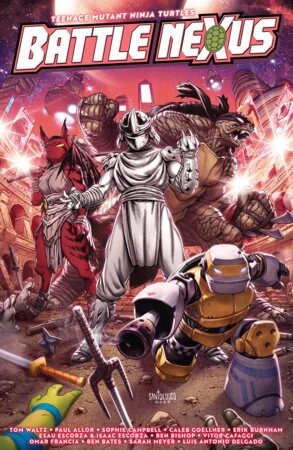
| Battle Nexus | #1–5 | Can be read after the first 12-issue cycle of the 2024 series. It is a multiverse crossover featuring IDW’s Turtles; it should not be mistaken for a four-issue collection. |
Avoid buying Alpha’s stories twice: Return to New York collects Long Way From Home; Mutant Nation, vol. 1 includes Monster Island. Check those tables of contents before buying the special separately.
The Last Ronin: its own reading order
The Last Ronin is not the inevitable future of IDW’s ongoing series. It is a separate continuity. To discover its revelations naturally, start with the original story, even though other books explore earlier events.
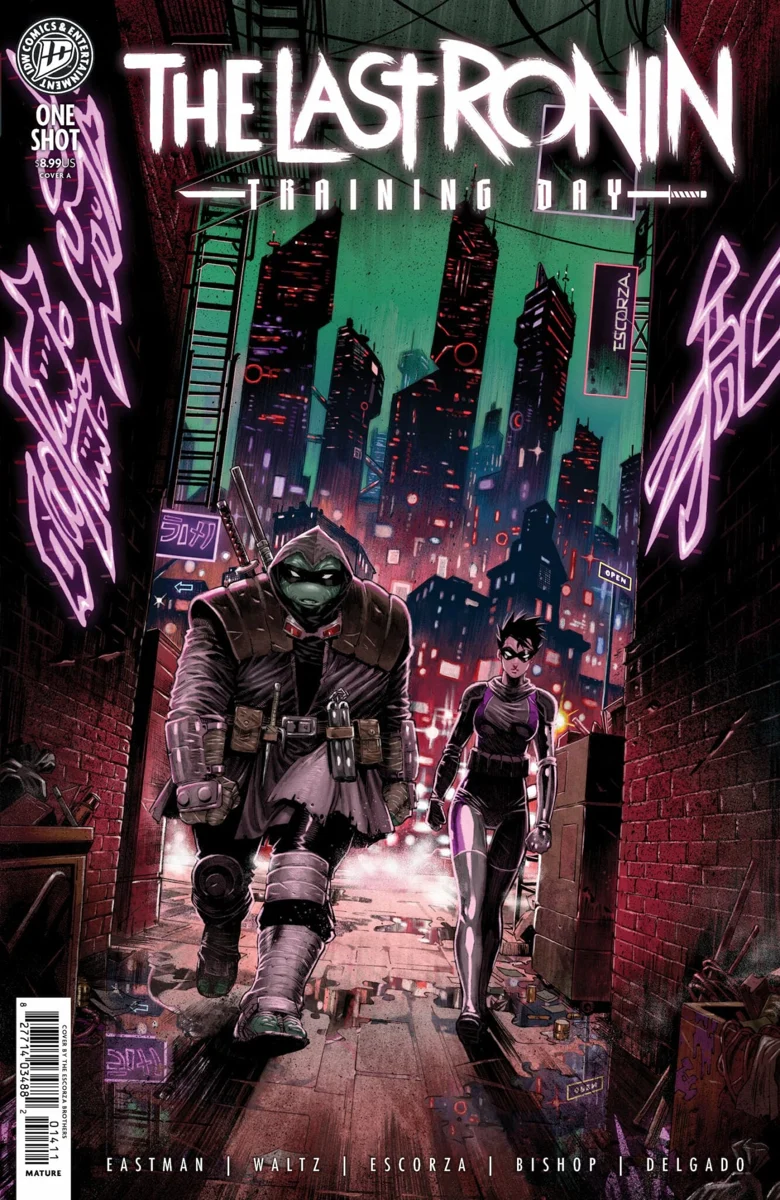
- The Last Ronin #1–5. The original story; no other comics are required.
- The Last Ronin: The Lost Years #1–5. Alternates between the past and the development of a new generation.
- The Last Ronin: Lost Day Special. Check whether your Lost Years collection already includes it.
- The Last Ronin: Training Day. A 2026 special set during the original story. On a first read, it works as an expansion after you have finished the original.
- The Last Ronin II: Re-Evolution #1–5. Continues the new generation’s story.
Training Day was published after Re-Evolution. If you prefer publication order, swap the final two steps. This route prioritizes a first read that preserves the original story’s revelations.
Other TMNT comics published by IDW: what belongs elsewhere
The IDW logo identifies the publisher, not a single continuity. Alongside its own saga, IDW publishes adaptations, crossovers, and reprints of material created for other universes. You do not need to fit them between the 150 issues.
| Line or publication | How to read it | Connection to the main saga |
|---|---|---|
| Deviations | A one-shot; best read after City Fall (#28). | An alternate story that changes a decision in IDW continuity. It is not a missing chapter of the main timeline. |
| Saturday Morning Adventures | The 2022 miniseries #1–4 → the series launched in 2023, in numerical order; its specials accompany that line. | A universe inspired by the 1987 animated series. |
| New Animated Adventures and Amazing Adventures | New Animated Adventures → Amazing Adventures; Robotanimals is another miniseries in this family. | Comics tied to Nickelodeon’s 2012 series. |
| Rise of the TMNT | The Rise series → the Sound Off! miniseries, each in its own numerical order. | An adaptation of the 2018 animated universe. |
| Tales of the TMNT | Its own series, followed by Coastal Chaos. | A line connected to the Mutant Mayhem and Tales incarnation; it does not continue TMNT #150. |
| Mirage: Ultimate Collection, The Works, Color Classics, and Compendium | Follow a Mirage reading guide and check the collected issues. | Reprints from the original continuity, which began in 1984. |
| Teenage Mutant Ninja Turtles Adventures | Follows the Archie series’ own reading order. | A separate continuity, even when IDW publishes its collections. |
| Urban Legends | Its complete numbering: #1–26. | Reprints and concludes the Image run; it does not continue IDW #150. |
| Batman/TMNT I, II, and III | First miniseries → second → third. Batman/TMNT Adventures is a separate crossover featuring animated versions. | Standalone crossovers. |
| TMNT/Mighty Morphin Power Rangers I, II, and III | Read the three miniseries in that order. | A shared crossover continuity of its own. |
| TMNT vs. Street Fighter; TMNT/Stranger Things; TMNT × Naruto; Godzilla vs. TMNT | Follow each miniseries in numerical order. | Separate adventures, rather than required steps between issues of the ongoing series. |
| 30th and 40th Anniversary | Anthologies featuring stories from different incarnations. | Only some stories belong to IDW continuity. A Lot to Learn, Father’s Day, and Teen Spirit are identified in this guide. |
| Best of, Sourcebook, artbooks, and cover collections | Check the contents: these usually select existing material, collect reference information, or showcase artwork. | Do not count every reprint as a new adventure. |
The exceptions to look for: both Ghostbusters crossovers are integrated into The IDW Collection. So is the 2017 Usagi Yojimbo special. WhereWhen is another optional time-travel adventure. Battle Nexus brings versions from different universes together and features IDW’s Turtles.
Which edition should you choose to avoid buying the same comics twice?
| If you want… | Edition or approach | What to check |
|---|---|---|
| The saga with its main spin-offs | The IDW Collection 1–18 | This is the integrated route used for the volume reference table above. |
| Story arcs in shorter books | The regular series’ trade paperbacks and Reborn | Reborn continues from #101. Its volume numbers do not match The IDW Collection. Miniseries may be sold separately. |
| Large collections of the ongoing series | TMNT: The IDW Ongoing Compendium | Ongoing is the key word: check its contents and which spin-offs you will need to add. Do not confuse it with the Mirage Compendiums. |
| One specific event | Armageddon Game Deluxe or its separate collections | The central miniseries’ collected edition does not automatically include the whole event, Alliance, and the tie-ins. |
| To read in Spanish | The edition available in your country | Compare the original U.S. issue numbers listed in the credits. The translated title, format, and volume number may differ. |
| To continue with the 2024 series | Return to New York → NYC vs. TMNT → Ujigami | This uses the new numbering. Check each edition’s availability, then add subsequent issues. |
Buying tip: keep a list of the original issue numbers you already own. A Best of collection, an individual trade paperback, and The IDW Collection can contain exactly the same issue. Variant covers do not add another story chapter.
IDW TMNT timeline and reading order: frequently asked questions
Can I read only the ongoing series?
Yes: the 2011 series’ #1–150, followed by the 2024 series’ #1 onward. You will follow the main storyline but miss some character development and connections. For a fuller read, add at least the Micro-Series, Secret History of the Foot Clan, Shredder in Hell, and the Armageddon Game event. The integrated route saves you from choosing as you go.
Are City Fall and City at War the same story?
No. City Fall is an early arc, around #21–28. City at War is the major storyline that culminates in #100. Do not confuse it with Mirage’s arc of the same name.
Should I read stories set in the past before #1?
No. Secret History of the Foot Clan and flashbacks to earlier eras work better once the series has introduced its characters and conflicts. That is why this guide prioritizes narrative reading order.
Where do the Jennika stories fit?
Her first miniseries, Jennika #1–3, fits after #105. Jennika II #1–6 accompanies #113–124. Both expand the Mutant Town era; neither restarts the whole saga.
Does The IDW Collection include absolutely every TMNT comic IDW has published?
No. Its 18 volumes organize the first major saga and its main companion stories. They do not collect the publisher’s entire TMNT output or replace the modern series, The Last Ronin, the animated lines, or every special outside their contents.
What if my Spanish edition has a different volume number?
Check the contents or credits: TMNT #29–32, for example, always identifies the same original issues, even if the collection has a different title. Use those issue numbers to find your place in this guide.
What is the best starting point for someone who has never read TMNT?
To follow this continuity from its origin, start with TMNT #1 (2011) or The IDW Collection 1. For a modern entry point, choose Return to New York. For a standalone story with a beginning and an ending, read The Last Ronin.
Sources and editorial approach
The volume reference table was checked against listings for The IDW Collection at Penguin Random House and IDW Publishing. Each table row links to a publisher or distributor listing. For the modern era, the sources include the listings for Return to New York, Mutant Nation, Nightwatcher, Casey Jones, Battle Nexus and PRH’s single-issue catalogs.
Crossovers and flexible placements were cross-checked against How to Love Comics’ Armageddon Game guide, Comic Book Treasury and The Technodrome’s chronology thread. The section-by-section route is ArcadeBot’s suggested reading order, rather than an official timeline of every scene.
Publisher covers and product photography from IDW Publishing and Penguin Random House are used to identify and discuss the editions. TMNT and its characters belong to their respective rights holders; images © Viacom/Nickelodeon and IDW, as credited in each edition.
Find more stories and guides in our TMNT section and on ArcadeBot’s YouTube channel.