Shigeru Miyamoto is the Japanese game designer who created Mario and Donkey Kong, co-created The Legend of Zelda, and helped make Nintendo one of gaming’s defining companies. His contribution is easiest to recognize through simple actions: learning to jump without reading a manual, entering a cave because it looks intriguing, or understanding a sport by moving your arm.
His career is also the story of an artist learning to work with programmers, musicians, and other designers. He moved from directing games to producing them, then helped bring their characters into movies and theme parks. Understanding that career means recognizing both his own decisions and the work of the people around him.
An ArcadeBot feature. Research updated November 6, 2026. Game dates refer to the earliest release unless otherwise noted.
Who Is Shigeru Miyamoto?
| Detail | Information |
|---|---|
| Name | Shigeru Miyamoto · 宮本 茂 |
| Born | November 16, 1952, in Sonobe, Kyoto Prefecture, Japan |
| Education | Industrial design at Kanazawa College of Art |
| Joined Nintendo | 1977 |
| Work | Game designer, director, producer, and creative executive |
| Current position | Executive Fellow and Representative Director of Nintendo |
| Key works | Donkey Kong, Super Mario Bros., The Legend of Zelda, Super Mario 64, and Pikmin |
He is 73 as of this update. His current position is listed in Nintendo’s corporate leadership directory. The Princess of Asturias Foundation also documents his education and career, but its 2012 profile describes his position at that time rather than his present responsibilities.
Explore This Feature
- Childhood and education
- Joining Nintendo
- Donkey Kong and the birth of Mario
- Super Mario through the years
- The Legend of Zelda and its teams
- Major creations and contributions
- His approach to game design
- Nintendo consoles and controls
- Movies and Super Nintendo World
- Awards
- Life outside work
- Development stories
- Career timeline
- Current work and legacy
- Frequently asked questions
- Sources and photographs
Childhood in Sonobe: Exploring Before Designing
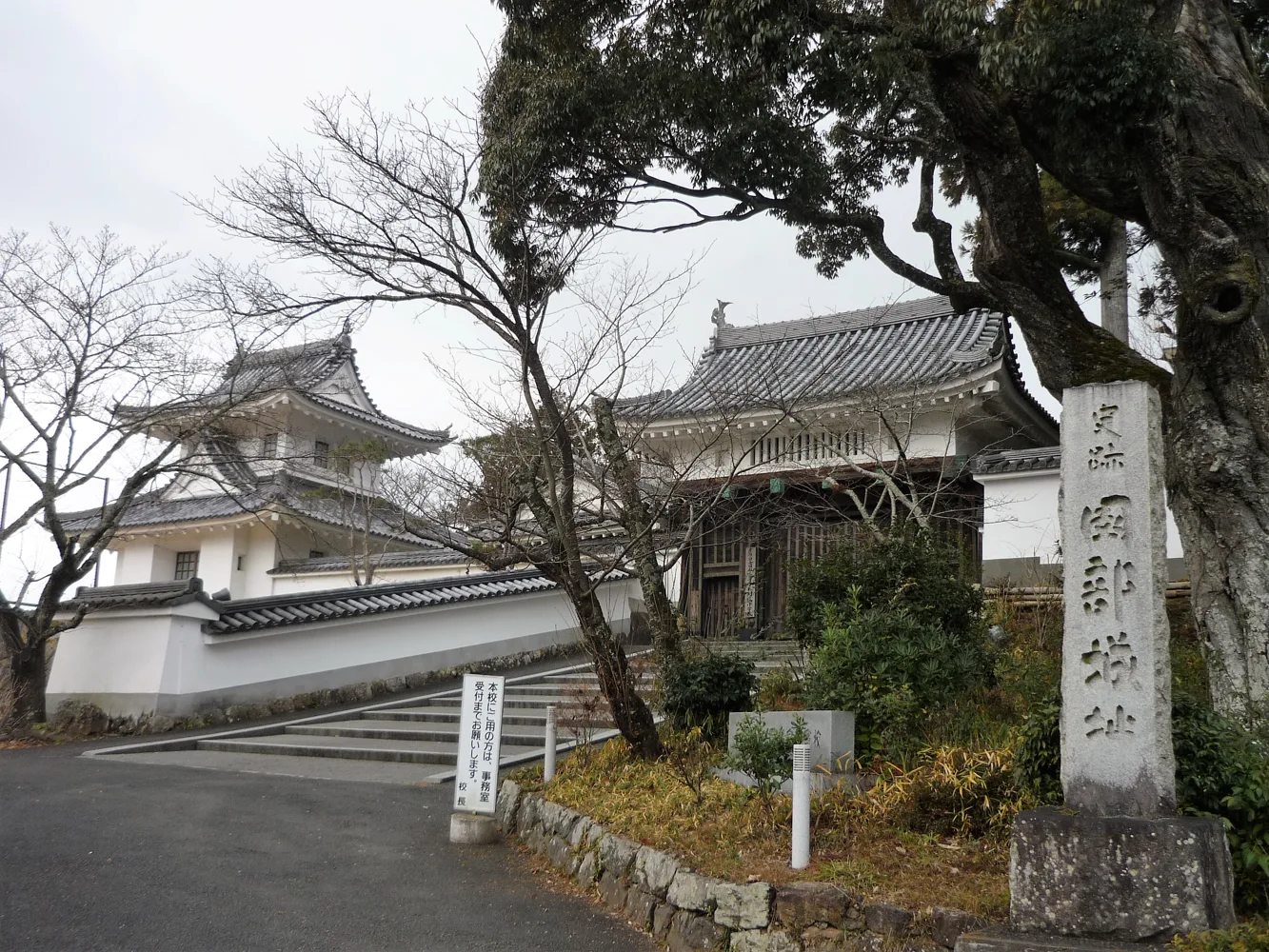
Miyamoto was born in Sonobe, a town in Kyoto Prefecture that is now part of Nantan. He grew up long before Nintendo became synonymous with home consoles. Drawing, imagining characters, and exploring his surroundings were part of his early life. Manga provided an important creative reference.
His childhood journeys through woods and caves frequently appear in accounts of Zelda’s origins. The important connection is the feeling of entering an unfamiliar place and discovering what is inside. Miyamoto has connected his creative work with those experiences. That does not establish a real-world counterpart for every forest in Hyrule, or make a single cave the complete explanation for the series. His New Yorker interview helps clarify the relationship between childhood memories and play.
He studied industrial design at Kanazawa College of Art. He did not begin as a programmer who later learned to draw. His training concerned objects and the experience of using them, a useful perspective for understanding his games. A controller, screen, or character needed to let someone do something interesting.
His games should not be treated as straightforward autobiography, either. A hobby can suggest an idea; making that idea understandable and enjoyable requires experiments, choices, and collaboration. That gap between inspiration and development would become particularly important in Pikmin, Nintendogs, and Wii Fit.
How Miyamoto Joined Nintendo in 1977
In an original NPR interview, Miyamoto explained that a friend of his father knew Nintendo president Hiroshi Yamauchi and arranged an introduction. Miyamoto brought things he had designed, and Yamauchi decided to hire him. He wanted to make toys that would surprise people. He did not arrive with Mario already worked out or an established career directing games.
Nintendo had a long history of making playing cards and had expanded into toys and electronic entertainment. An industrial designer could contribute to that business even though the development structures familiar from today’s large games did not yet exist.
His early responsibilities included visual work for the company’s products and games. Contributions to titles such as Sheriff should be distinguished from Donkey Kong, his debut as the designer responsible for a game. That distinction clears up a recurring ambiguity in the question of which video game he worked on first.
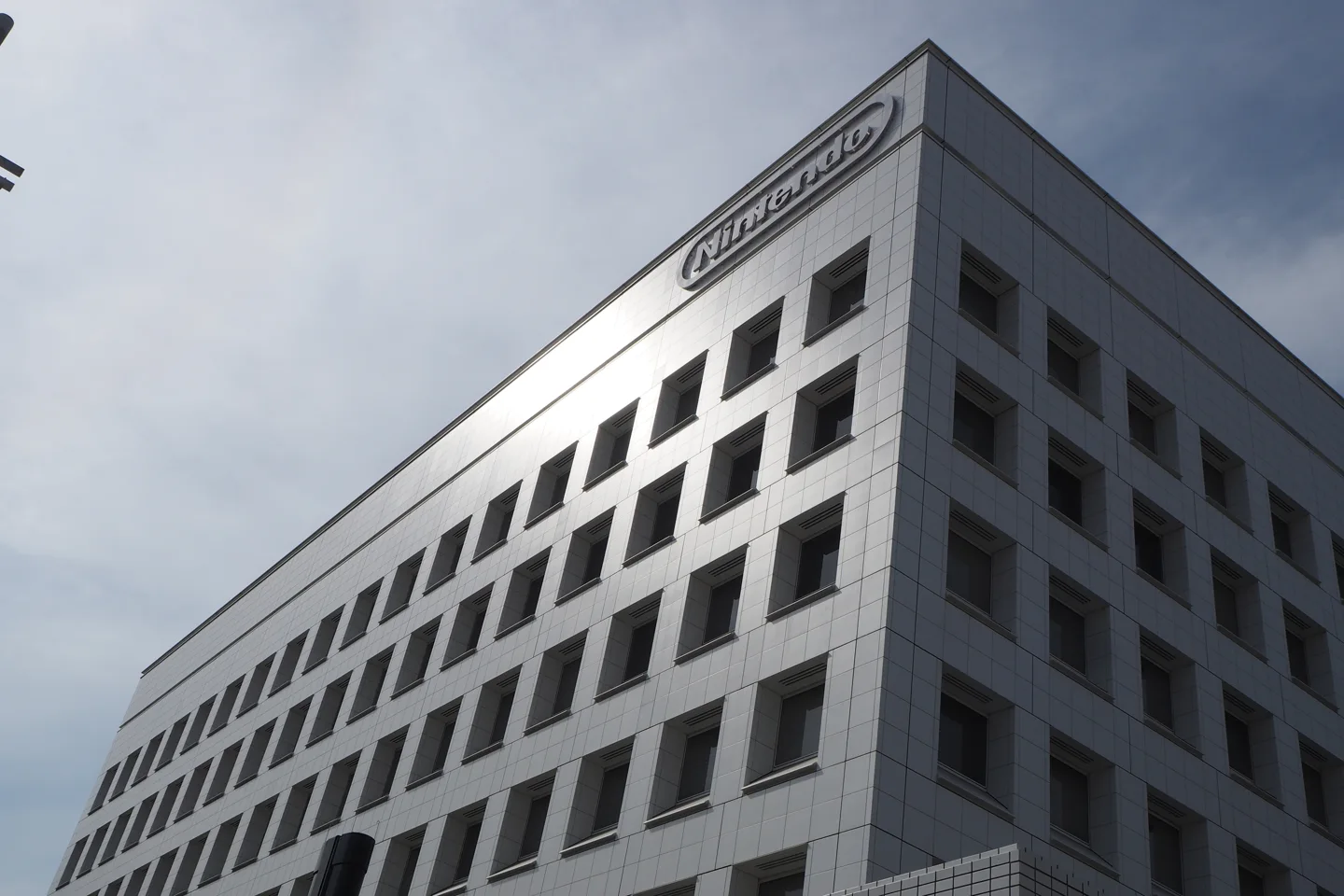
Donkey Kong: A Business Problem Becomes a New Cast of Characters
The starting point was practical: Nintendo needed to improve its position in American arcades after the disappointing performance of Radar Scope. Miyamoto received an opportunity to propose a different game in that context. Gunpei Yokoi provided important support and a connection to management. Technical collaborators were also needed to turn the designs into a working arcade machine.
An early plan involved Popeye. The relationship between a hero, a rival, and someone to rescue eventually became an original cast: a man climbing a construction site, a woman in danger, and a gorilla throwing barrels. In Nintendo’s interview about Mario’s origins, Miyamoto acknowledged that he could not remember exactly why Popeye could not be used. A detailed story about a specific contractual breakdown would go beyond that testimony without additional evidence.
Donkey Kong reached arcades in 1981. Mario, associated in early materials with the name Jumpman, had not yet acquired his later identity in the Mushroom Kingdom. He was a figure that had to remain readable in a small number of pixels. His cap, mustache, and clothing helped communicate the character and his movements on a limited display.
Jumping was more than a decorative move. It changed how the player avoided hazards and made the relationship between barrels, ladders, and position central to the challenge. The characters also gave the action an immediately visible purpose: a player could understand the pursuit without a lengthy explanation.
The hit strengthened Nintendo’s position in the market and introduced two enduring characters. Calling it the first platform game or the first video game with a story would erase earlier work, however. Its significance lies in how it combined movement, visual clarity, and characters, and in what followed for Nintendo.
Super Mario: From Pipes to Outer Space
Mario Bros. and Super Mario Bros.
Mario Bros., released in 1983, brought Mario and Luigi into a world of pipes, creatures, and platforms. Super Mario Bros. took another step in 1985: players traveled through scrolling environments, controlled their speed, and discovered routes above and below the main path.
Miyamoto and Takashi Tezuka were central to that work, but the story also includes Toshihiko Nakago and the SRD programming team, alongside composer Koji Kondo. Nintendo devoted an interview to the Miyamoto–Tezuka–Nakago working relationship. Naming those collaborators makes the process easier to understand: ideas had to become movements, levels, sounds, and precise responses.
The opening of Super Mario Bros. remains a useful way to examine the result. An enemy approaches before the player has mastered jumping; blocks invite contact from below; open spaces allow experiments. This is an interpretation of the level: its arrangement does much of the teaching. Every block need not be assigned to one individual to recognize the care in the design.
Peach, Bowser, and the Mushroom Kingdom gave the adventure continuity. A fairy-tale appearance existed alongside understandable rules: jump on certain enemies, grow after collecting a mushroom, and reach the end of the course. Later games expanded that vocabulary through maps, costumes, flight, and companions.
Super Mario Bros. was central to the appeal of the Famicom and NES. It was not the sole reason for their success; distribution, the wider library, and business decisions mattered, too. Nintendo’s interview about the early Super Mario games describes a development process more revealing than a story of instant inspiration.
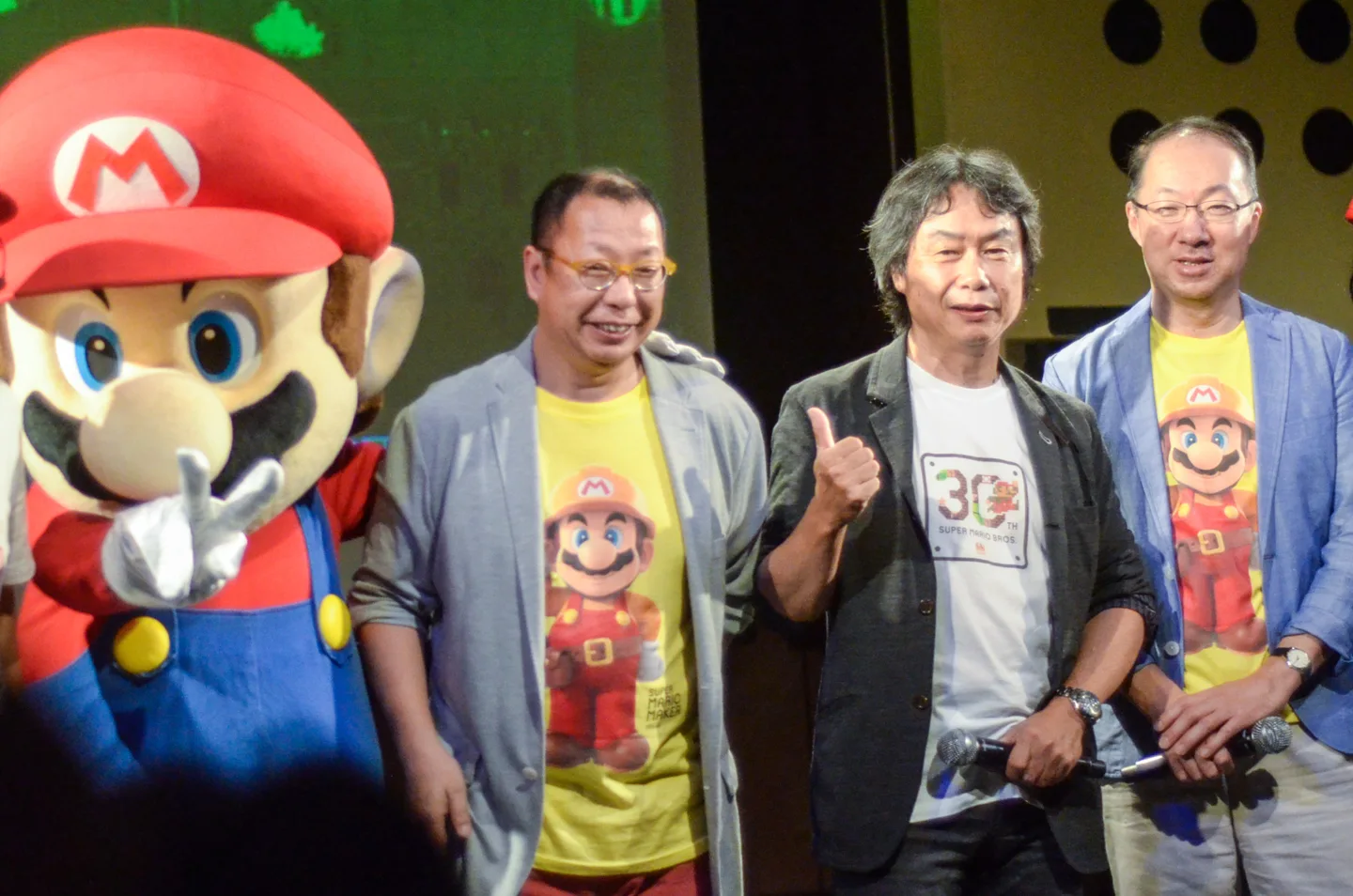
What He Actually Did on Each Major Mario Game
| Game | First release | Role and main development |
|---|---|---|
| Super Mario Bros. | 1985 | Direction and design with Tezuka and the team; movement through scrolling courses. |
| Super Mario 64 | 1996 | Director; exploration and analog movement in three dimensions. |
| Super Mario Sunshine | 2002 | Producer; directed by Yoshiaki Koizumi and Kenta Usui. Water changes movement and interaction. |
| Super Mario Galaxy | 2007 | Producer and game design concept; directed by Koizumi. Planets and gravity reshape platforming. |
| Super Mario Odyssey | 2017 | Executive producer; directed by Kenta Motokura. Captures and exploratory kingdoms. |
| Super Mario Bros. Wonder | 2023 | Supervisor; directed by Shiro Mouri and produced by Tezuka. Wonder Flowers transform course rules. |
The games’ credits and Nintendo’s Wonder developer interview distinguish these responsibilities. Creating Mario does not mean directing every adventure in which he appears.
Super Mario 64 made orientation a design problem that two-dimensional games could often leave in the background. Movement and the camera had to help players understand space and judge distances. Sunshine, Galaxy, and Odyssey built different experiences on that foundation under other creative leads.
Galaxy provides a specific example of Miyamoto’s contribution as a producer. He suggested a short recovery period between spins, giving the motion a rhythm and leaving Mario vulnerable for a moment. The developers explain the decision in Iwata Asks. His intervention refined a particular action; it did not replace the people directing and programming the game.
The Legend of Zelda: Making Discovery Worth Sharing
The first The Legend of Zelda launched in Japan in 1986 for the Famicom Disk System. Miyamoto and Tezuka were building an adventure around exploration, useful tools, and secrets. Link traveled through the world, Princess Zelda gave the game its title, and Ganon served as the central antagonist.
Miyamoto’s childhood helps explain his interest in the unknown. Adventure films and the way people discussed discoveries in games also mattered. In an official interview about the original Zelda, he recalled the appeal of exchanging information. Discovery could continue beyond the screen through a conversation with someone else.
Mario often presents an action and asks you to master it. Zelda can place you in an environment you do not yet understand. That comparison describes a tendency rather than an absolute division: both series rely on secrets, learning, and curiosity.
From A Link to the Past to Tears of the Kingdom
| Game | Year | Miyamoto and the developing team |
|---|---|---|
| The Legend of Zelda | 1986 | Creator and designer alongside Tezuka and the original team. |
| A Link to the Past | 1991 | Producer; directed by Tezuka. Connected worlds deepen exploration. |
| Ocarina of Time | 1998 | Producer with direct creative involvement; several directors handled different areas. |
| Majora’s Mask | 2000 | Producer; directed by Eiji Aonuma and Yoshiaki Koizumi. |
| The Wind Waker | 2002 | Producer; Aonuma directed the sea-based adventure. |
| Twilight Princess | 2006 | Producer; directed by Aonuma. |
| Skyward Sword | 2011 | General producer; Aonuma produced and Hidemaro Fujibayashi directed. |
| Breath of the Wild | 2017 | General producer; produced by Aonuma and directed by Fujibayashi. |
| Tears of the Kingdom | 2023 | General producer; Aonuma and Fujibayashi continued to lead production and direction. |
This table summarizes development credits. The interviews for Skyward Sword and Tears of the Kingdom also identify their creative leads. Production titles do not mean personally designing every system or writing the entire story.
Ocarina of Time had to make exploration, dungeons, and sword fighting work in three dimensions. Lock-on targeting helped keep the camera and combat manageable. Nintendo returned to the collaboration between Miyamoto, Koizumi, and others in its 2026 Ocarina of Time developer interview.
Majora’s Mask illustrates the handover to other creators. Aonuma asked to make a new game, and Miyamoto agreed on the condition that it be finished within a year using materials from Ocarina. The developers’ account explains both the deadline and the reuse without making Miyamoto the author of every distinctive feature in the finished game.
The Wind Waker explored a sea-based world with animated expressions; Twilight Princess pursued a different tone; Skyward Sword emphasized sword control. Breath of the Wild and Tears of the Kingdom opened up more ways to solve situations. Those differences belong to teams with their own directors and producers. Part of Miyamoto’s legacy is that the series could change in their hands.
Major Creations and Contributions
This selection covers important franchises and individual projects. Dates identify the debut of the property or named game, and roles refer to the project described. It is neither an exhaustive credit list nor a catalog of games made by one person.
| Game or franchise | Debut | Miyamoto’s contribution | Historical significance |
|---|---|---|---|
| Donkey Kong | 1981 | Original game design and character creation | Readable action and Mario’s first appearance. |
| Mario | 1981 / Mario Bros., 1983 | Creator; design, direction, production, or supervision depending on the title | A foundation for 2D and 3D platform games. |
| The Legend of Zelda | 1986 | Co-creator and original designer; later production roles | Exploration and secrets at the heart of an adventure. |
| F-Zero | 1990 | Producer of the original | Speed and depth in a futuristic SNES racing game. |
| Yoshi | 1990 / Yoshi’s Island, 1995 | Involved in his introduction in Super Mario World; producer of Yoshi’s Island | A companion becomes a lead character with different abilities. |
| Star Fox | 1993 | Original designer and producer, working with Nintendo and Argonaut | Polygonal action and characters in a technical collaboration. |
| Luigi’s Mansion | 2001 | Producer alongside Takashi Tezuka | An adventure organized around a vacuum and enclosed spaces. |
| Pikmin | 2001 | Creative driving force and producer | Managing groups of creatures in everyday environments at a different scale. |
| Nintendogs | 2005 | Conceptual involvement and general production | Touch and voice make virtual pet care approachable. |
| Wii Sports | 2006 | General production and creative guidance | Familiar motions introduce players to interactive sports. |
| Wii Fit | 2007 | Original concept and general production | Balance and activity tracking become a shared home experience. |
| Wii Music | 2008 | General production and conceptual development | Musical performance without requiring instrumental training. |
| Super Mario Maker | 2015 | General producer | Making and sharing levels becomes the main activity. |
Roles were checked against game credits and development interviews. In the Star Fox interview, Miyamoto identifies himself as a designer and producer, explaining the division of work with Takaya Imamura and Tsuyoshi Watanabe. Argonaut supplied technology and programming. Leaving that collaboration out would distort the history.
Pikmin deserves more than the familiar gardening anecdote. Its team experimented with large numbers of characters and different concepts before finding the structure. Miyamoto helped organize those elements into a coherent flow. The Pikmin 4 interview explains that process, while his 2006 comments clarify that gardening connected with experiments already underway.
His producing credits also include games less closely associated with his public image, such as Wave Race 64 and 1080° Snowboarding. The range matters: his career encompasses helping other teams build sports and racing experiences as well as inventing recognizable characters.
His Design Philosophy: An Interesting Action Comes First
A useful way to approach Miyamoto’s method is to ask what the player does with their hands. In Mario, run and jump; in Pikmin, gather and assign; in Nintendogs, touch and care for a pet. Visual presentation helps explain the activity, but the activity itself needs to remain appealing when repeated.
In his conversation about Galaxy, Miyamoto discussed enjoying the character simply as something to play with. This leads to a practical test: before adding objectives, find out whether moving and experimenting already feels good. Our reading is that this criterion explains more about his games than the general claim that he always innovates.
Simplicity does not remove difficulty. Galaxy’s spin offers a concrete example. Unlimited spinning would reduce the importance of deciding when to use it. A small delay restores a decision. A game can make its opening accessible while keeping situations that require attention.
Wii Fit began with a different interaction: noticing changes and sharing them at home. Miyamoto described how weighing himself became more interesting when he compared the results. The development interview shows a routine becoming an activity built around tracking, balance, and family involvement.
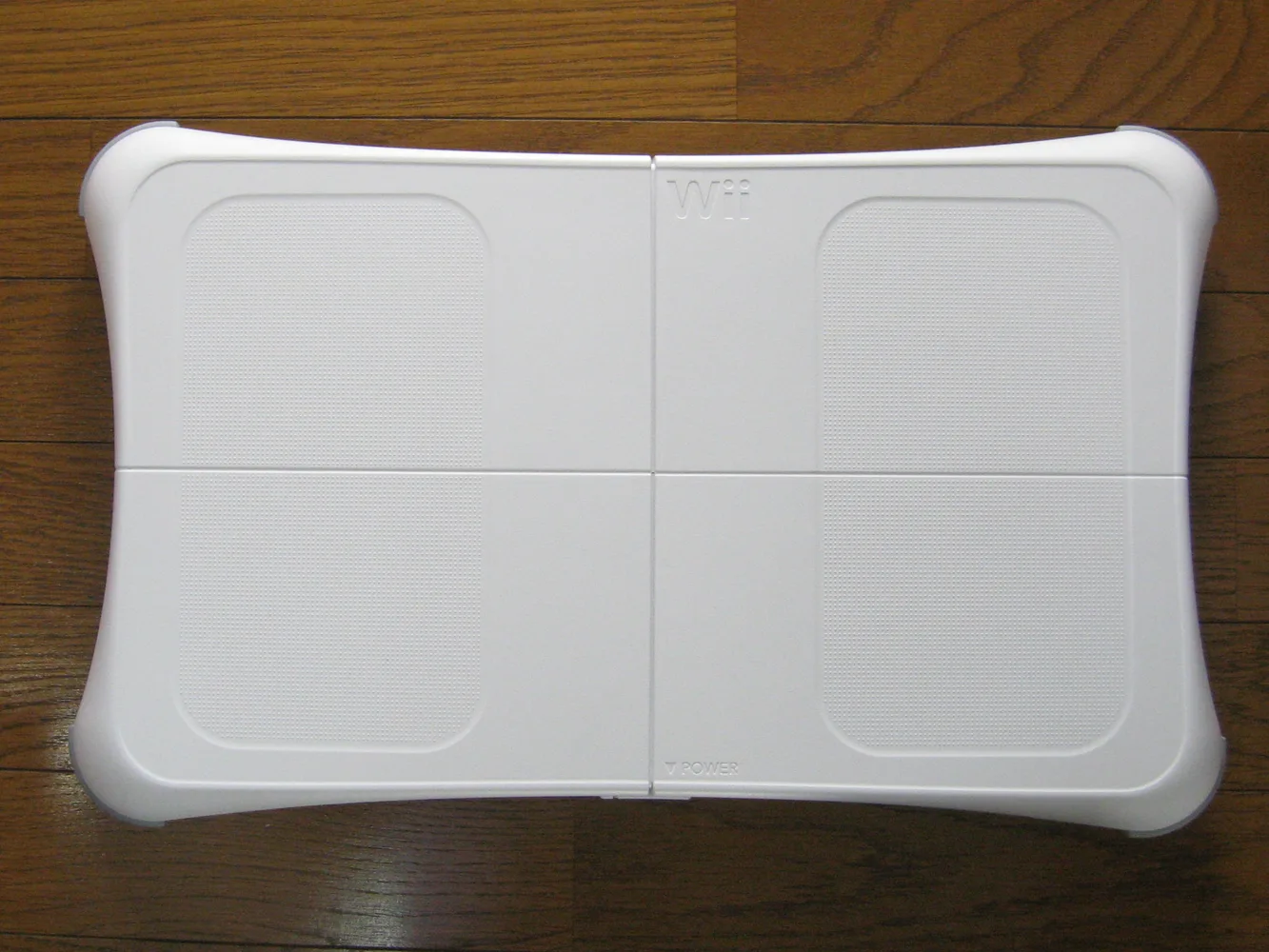
Testing an idea with other people also means accepting that it may not work as expected. The aim is not for the player to appreciate an elegant explanation from the designer; it is for the experience to let that player act. Visual clarity, responsive control, and the pace of learning therefore belong to the same problem.
His authority can be intimidating. In the Pikmin 4 interview, Miyamoto explained that even casual observations could trigger an urgent response, so he had to choose his words carefully. A producer needs to guide people while leaving enough room for them to find solutions.
Miyamoto and Nintendo Hardware: Games Shaped Around Controls
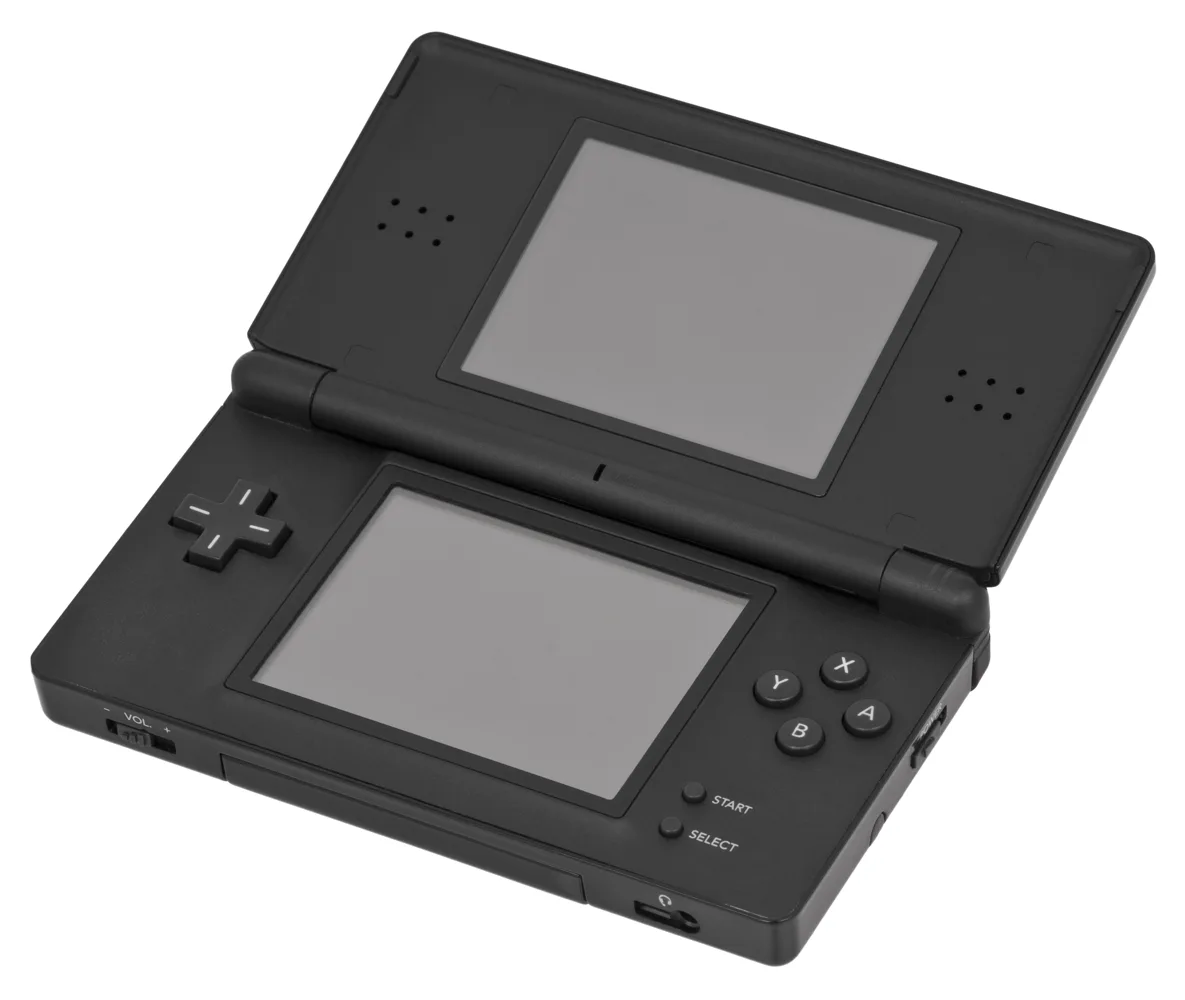
Miyamoto did not personally design every Nintendo console. His relationship with hardware primarily involves making games, testing controls, and contributing to exchanges between software and hardware teams. Turning that influence into sole authorship of a machine would erase its engineers.
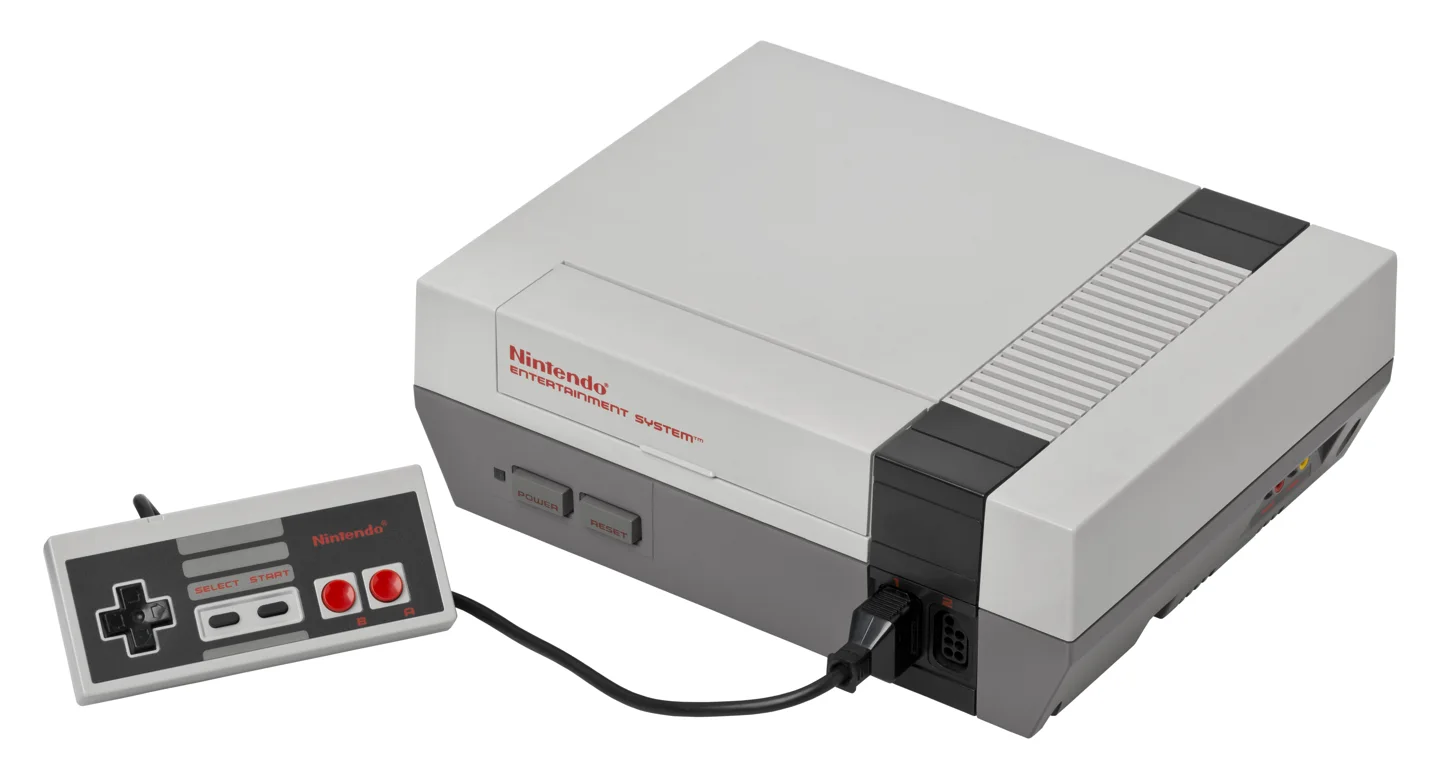
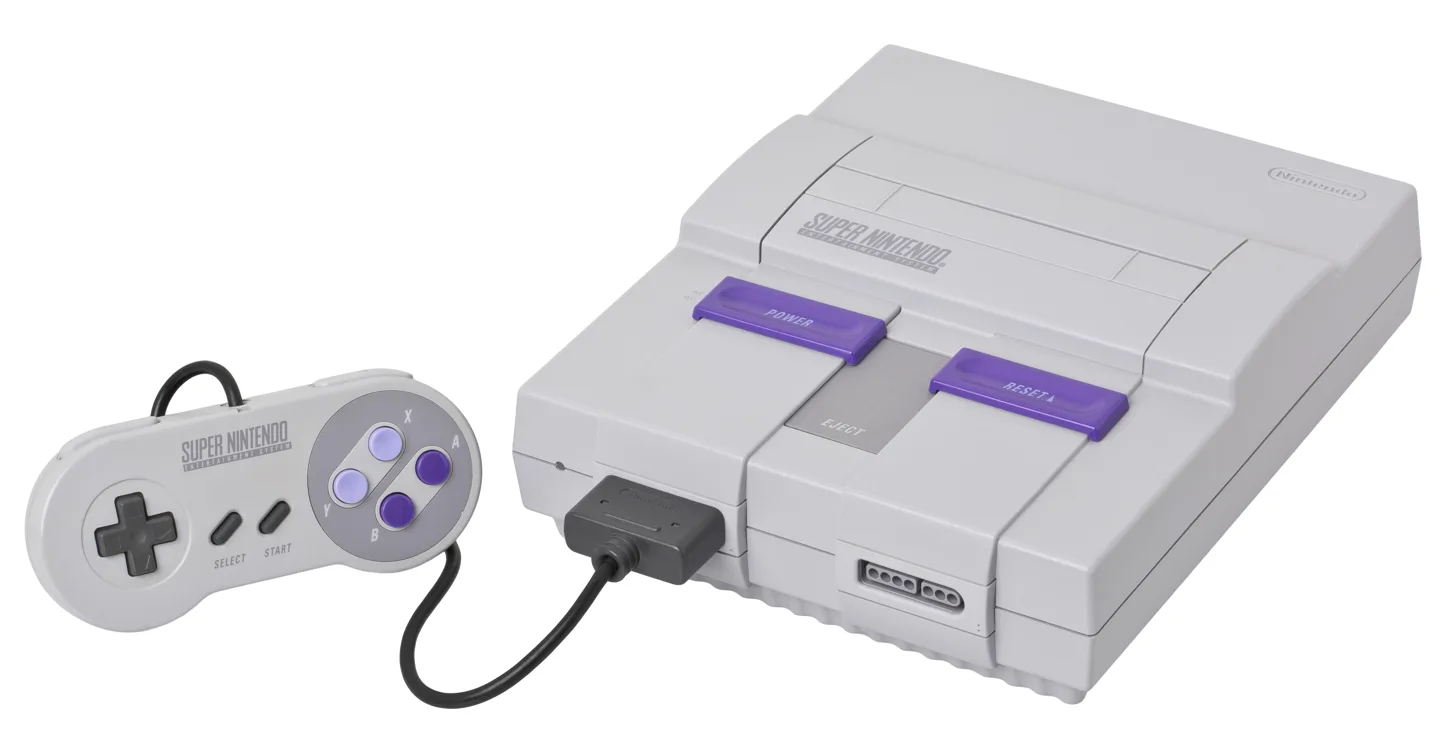
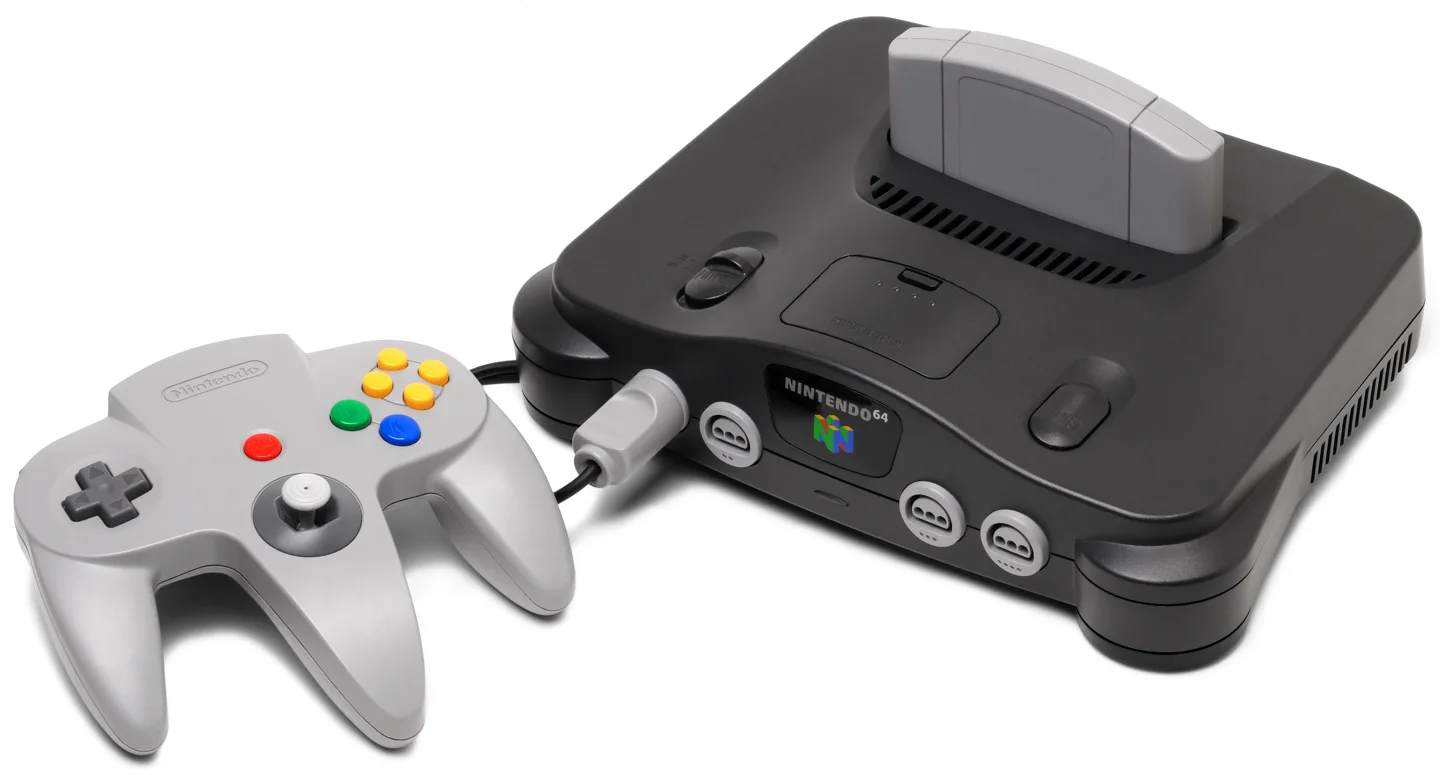
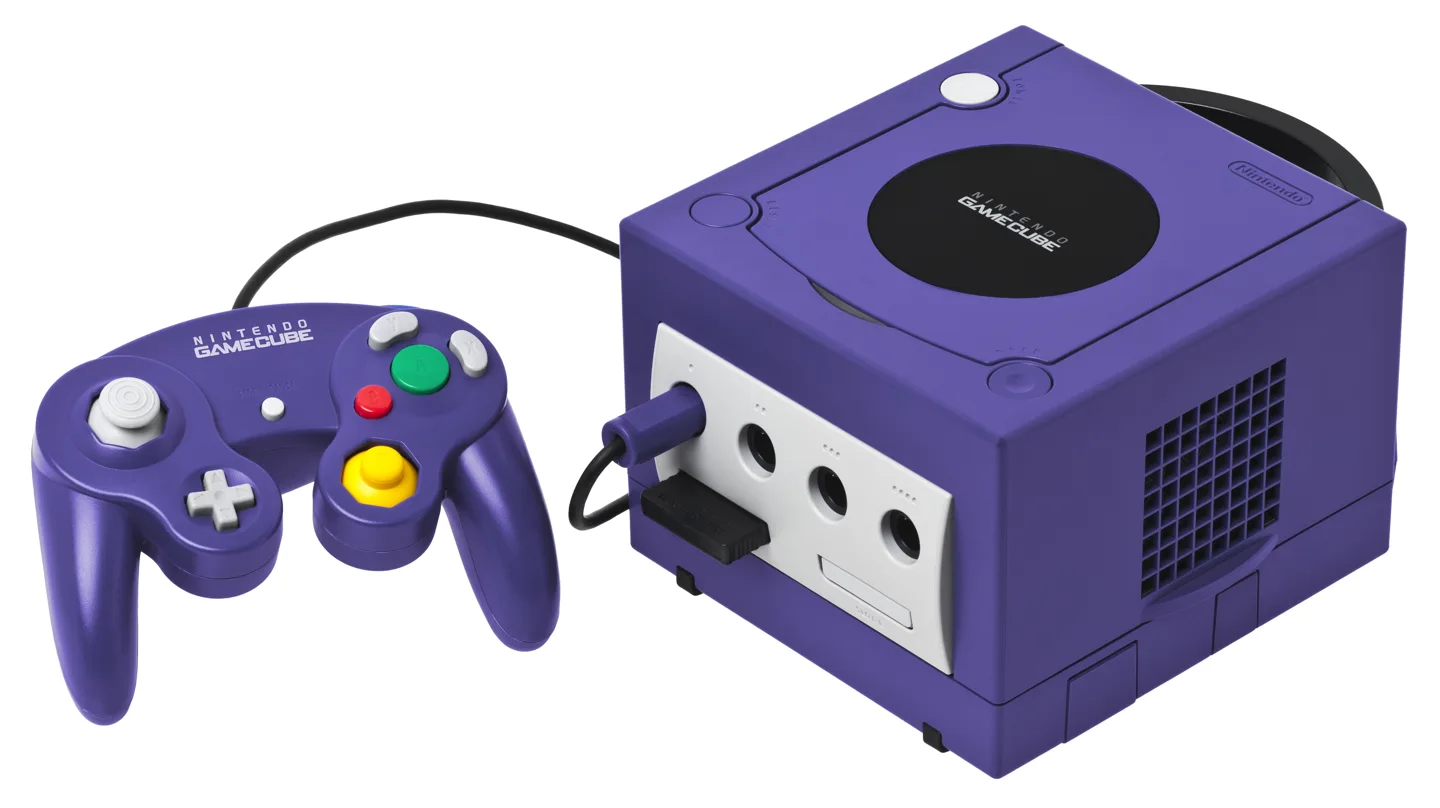
On Famicom and NES, his teams worked within tight memory and visual limits. Super Nintendo supported broader environments and experiments with depth. Nintendo 64 made spatial orientation a daily concern for developers and players. GameCube provided room for new tools, scales, and groups of characters.
Nintendo DS supplied a concrete use for the concept of caring for a dog: direct touch and voice interaction. On Nintendo 3DS, visual depth and new versions of existing games coexisted with physical controls. None of that makes Miyamoto the individual inventor of the touchscreen or the console.
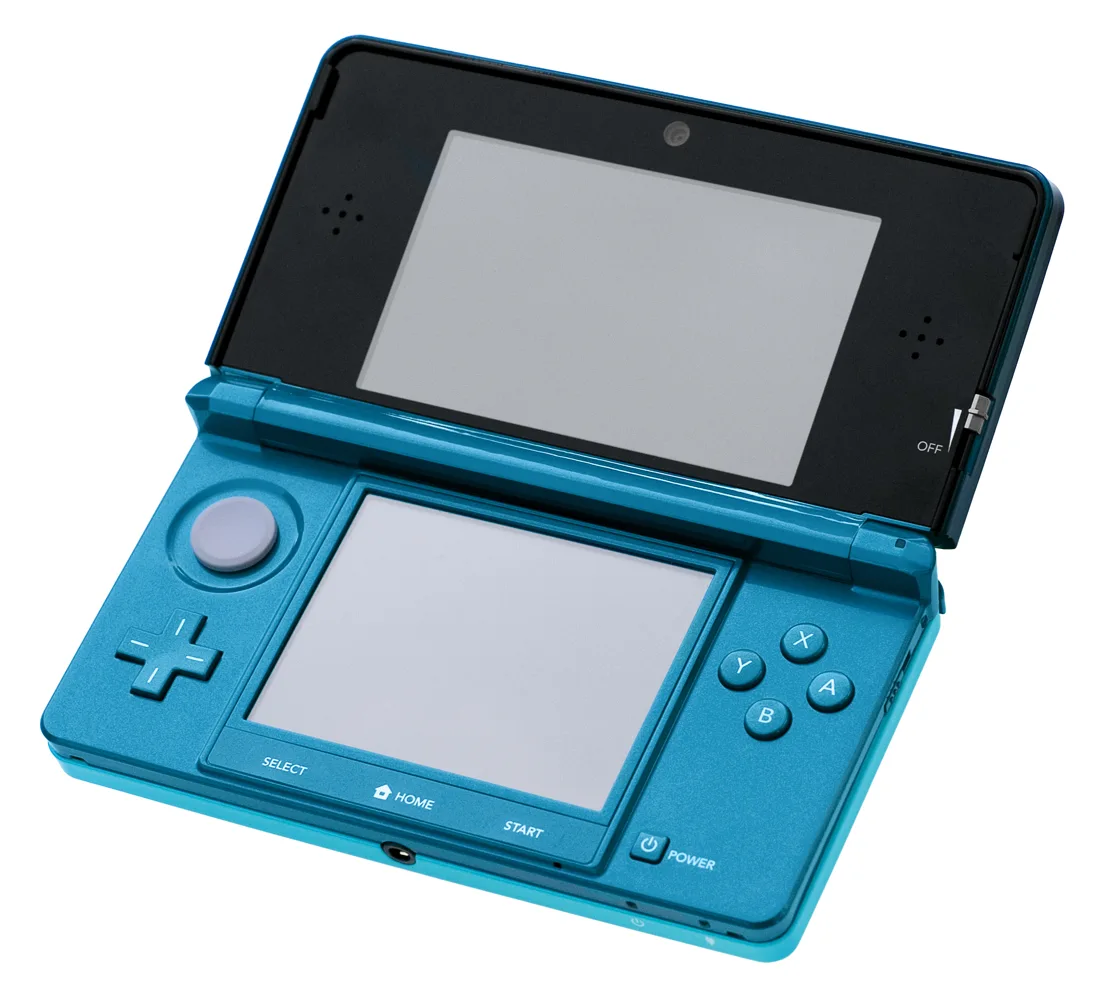
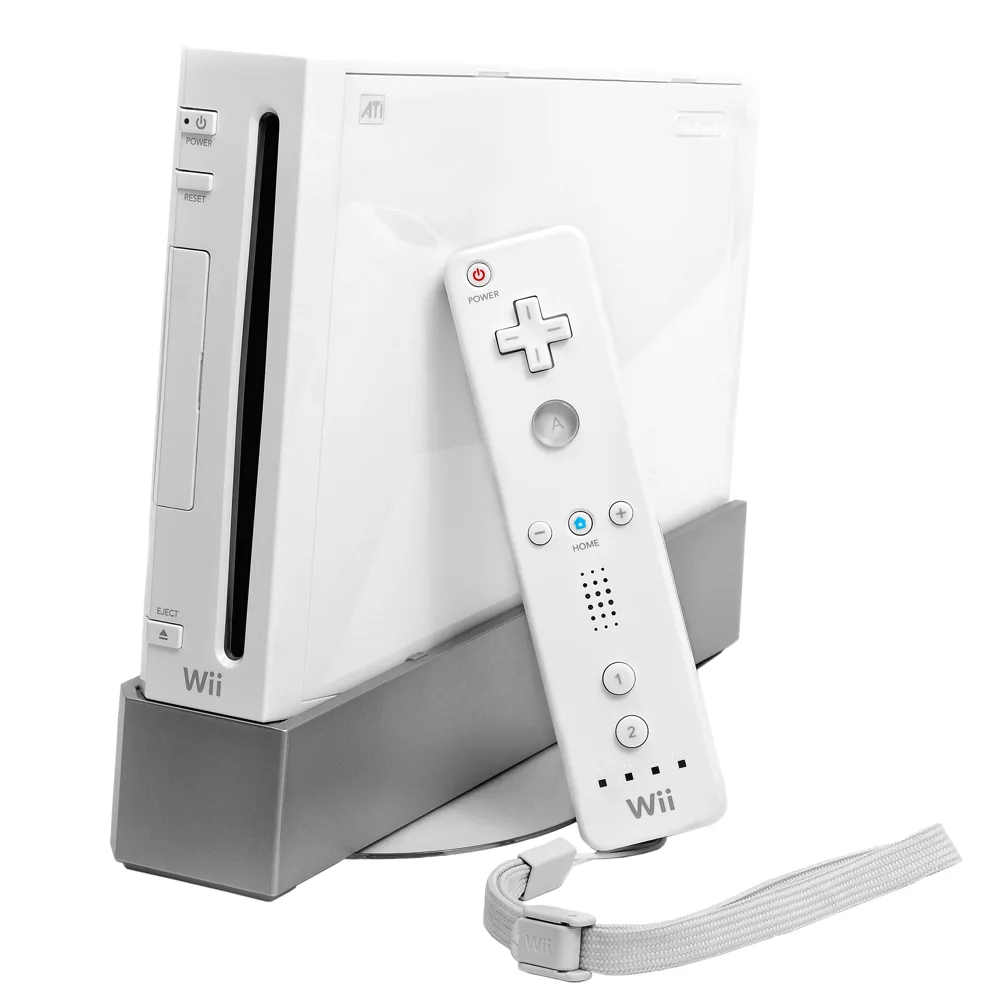
Wii connected his work to a household question: how could other people be encouraged to take part? Wii U explored the relationship between a television and the GamePad, visible in Super Mario Maker and Star Fox Zero. A creative idea was no guarantee of commercial success or a control scheme everyone would find comfortable.
Nintendo Switch again combined different ways to play. In a 2018 corporate presentation, Nintendo described exchanges between hardware and software developers when defining possible Joy-Con uses. That collaborative context is more accurate than attributing the entire console to Miyamoto.
What about Nintendo Switch 2? The official development interview introduces leads including Takuhiro Dohta, Tetsuya Sasaki, and Kouichi Kawamoto. Miyamoto remains part of Nintendo’s creative leadership, but these sources do not identify him as the principal hardware designer. Donkey Kong Bananza also shows new teams continuing characters that began with his work; its developer interview distinguishes the original creator from the people responsible for the new game.
Super Nintendo World and the Movies
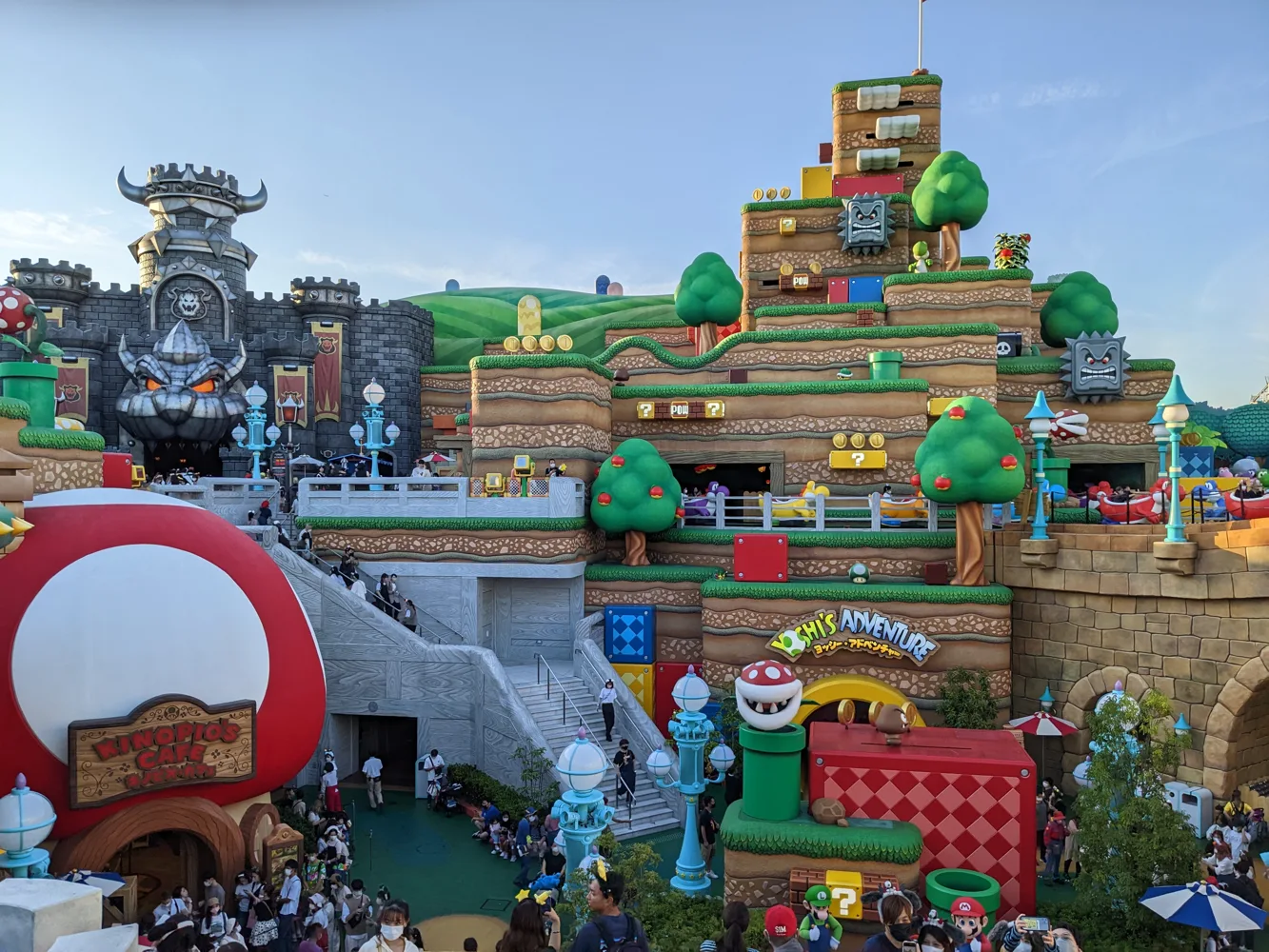
Super Nintendo World brought actions from games into physical space: hitting blocks, walking through recognizable environments, and looking for activities. Miyamoto took part in the creative collaboration with Universal and personally presented the Japanese area in a 2020 Nintendo Direct. The park offers another setting for his interest in making an activity understandable without a lengthy explanation.
In film, his role is producer. The Super Mario Bros. Movie opened in 2023, produced with Chris Meledandri and directed by Aaron Horvath and Michael Jelenic. The Super Mario Galaxy Movie belongs to 2026, again with Miyamoto and Meledandri as producers. The official Nintendo and Illumination release identifies the filmmakers and places its theatrical openings in April 2026.
As of November 2026, the live-action The Legend of Zelda film is still an upcoming project. The official September 8, 2026 announcement sets April 30, 2027, as its planned release date, with Wes Ball directing and Miyamoto and Avi Arad producing. Bo Bragason plays Zelda and Benjamin Evan Ainsworth plays Link. An announced date remains a plan that can change.
Producing these projects involves creative decisions and collaboration between companies. It does not mean directing the scenes, writing the screenplay, or personally animating the characters. Expanding beyond games also allows Nintendo’s characters to reach people who have never owned a console.
Awards and Recognition
| Year | Recognition | What it acknowledges |
|---|---|---|
| 1998 | Academy of Interactive Arts & Sciences Hall of Fame | The academy’s first inductee; recognition by his industry peers. |
| 2006 | Chevalier of France’s Order of Arts and Letters | His creative and cultural contribution. |
| 2007 | Game Developers Choice Awards Lifetime Achievement | His career and influence on game development. |
| 2010 | BAFTA Fellowship | The academy’s highest individual recognition for creative work. |
| 2012 | Prince of Asturias Award for Communication and Humanities | Games as a medium of expression and human connection. |
| 2019 | Person of Cultural Merit, Japan | A national acknowledgment of his cultural contribution. |
| 2026 | Order of Culture, Japan | Recognition in media arts and games. |
References include AIAS, BAFTA, the Princess of Asturias Foundation, the Japanese ministry’s official 2026 list, and Miyamoto’s October 2026 press conference. Person of Cultural Merit and the Order of Culture are separate honors.
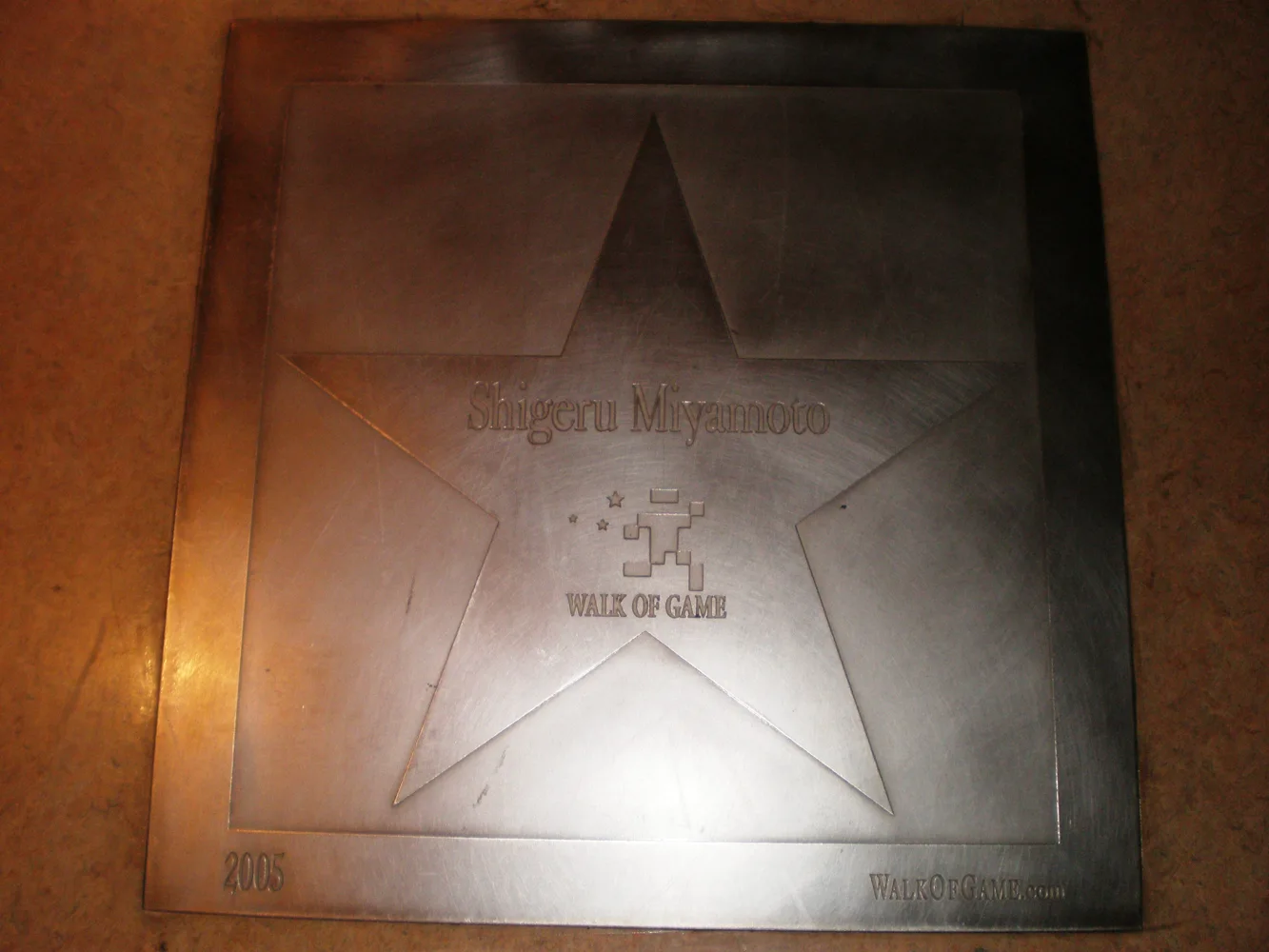
Life Outside Work: Music, Pets, and Everyday Activities
The most useful personal information for understanding his work comes from what he has chosen to discuss. He is married and has spoken about his children and family life. Their private details are not necessary to explain his games.
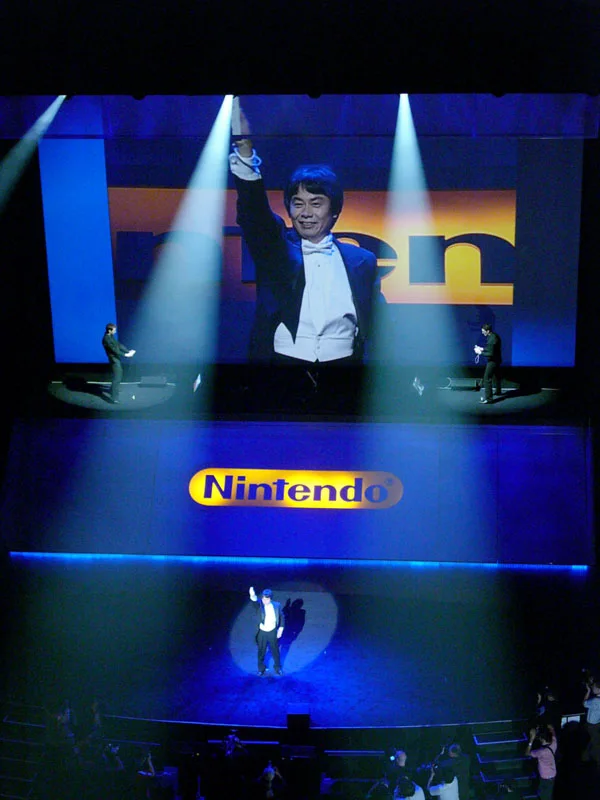
Music has remained a lasting interest. In the Wii Music interview, he recalled his brother’s guitar and banjo and his interest in folk music. His appearance as a conductor at E3 2006 connected with that curiosity about performing, even though it was not a display of instrumental virtuosity.
Gardening, caring for a dog, and swimming appear in his accounts of time outside the office. The useful connection is not a mechanical match between each hobby and a Nintendo franchise. His own comments distinguish enjoying an experience from finding a playable system other people will want to return to.
Four Development Stories That Explain His Work
- Mario could not jump at first. The early Donkey Kong concept needed a way to avoid hazards within the machine’s limitations. Jumping eventually became the character’s defining move. Nintendo preserves that account in its interview about Mario’s origins.
- Mario 128 did not become just one game. The demonstration opened different paths. Koizumi linked its work on spherical surfaces to Galaxy: an experiment could take years to find its eventual form. The development team’s account explains the connection.
- Star Fox 2 was finished before it was canceled. Miyamoto explained that chip costs and the approaching Nintendo 64 release complicated the timing. It finally reached the public through SNES Classic in 2017. The developers’ testimony distinguishes a completed game from a prototype abandoned halfway through.
- A producer can contribute through a flowchart. During the first Pikmin, gathering ideas into a diagram helped turn them into a coherent experience. The account illustrates a less visible side of Miyamoto’s work: organizing relationships between activities rather than simply drawing characters.
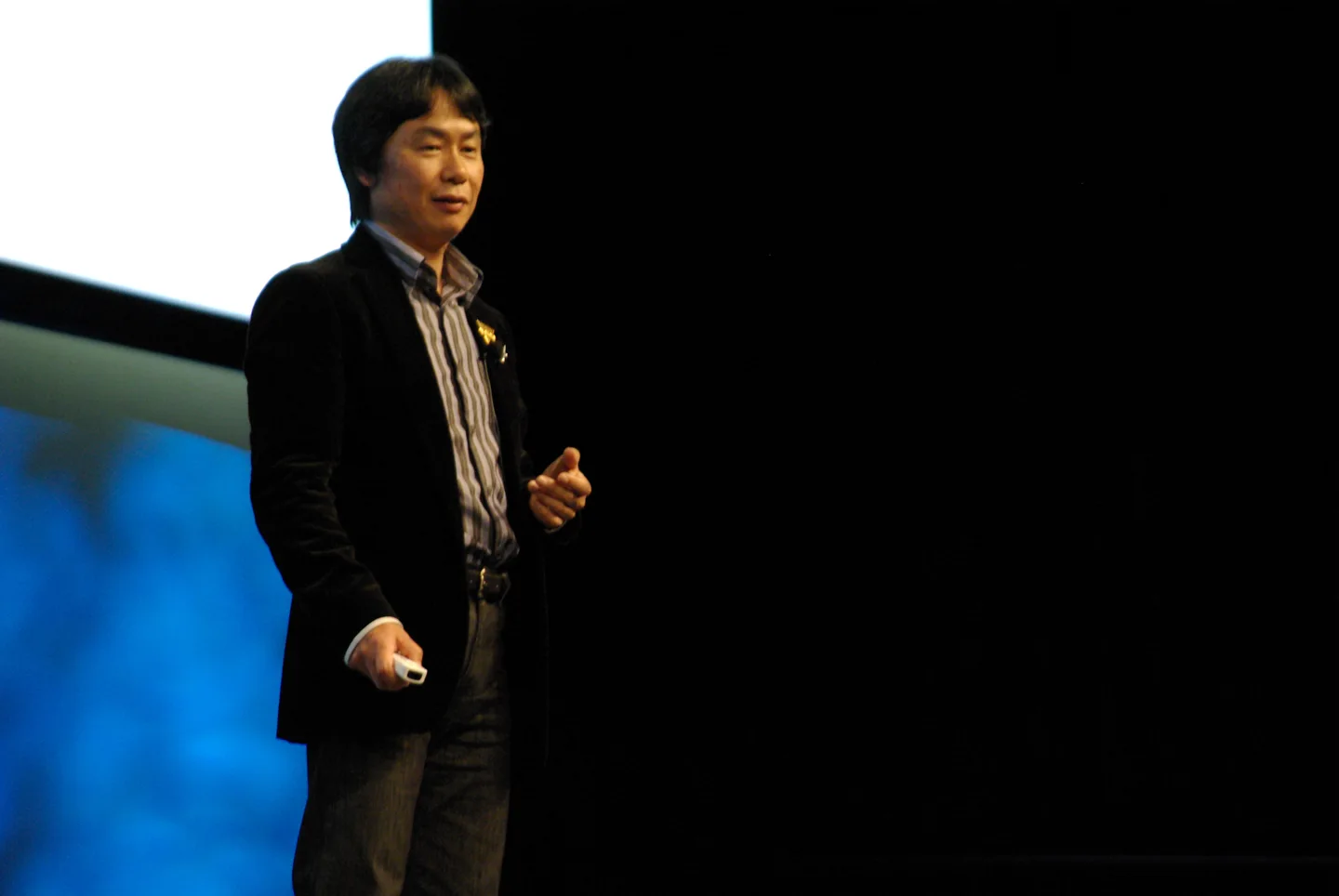
Shigeru Miyamoto’s Life and Career Timeline
- 1952. Born November 16 in Sonobe, Kyoto Prefecture.
- 1970s. Studies industrial design in Kanazawa.
- 1977. Joins Nintendo.
- 1981. Donkey Kong reaches arcades, introducing the character who becomes Mario.
- 1983. Mario Bros. brings Mario and Luigi together.
- 1985. Super Mario Bros. launches in Japan.
- 1986. The Legend of Zelda debuts on Famicom Disk System.
- 1990–1993. His Super Nintendo work includes Super Mario World, F-Zero, A Link to the Past, and Star Fox.
- 1996. Directs Super Mario 64.
- 1998. Ocarina of Time takes Zelda into 3D; he becomes the first AIAS Hall of Fame inductee.
- 2001. GameCube receives Luigi’s Mansion and Pikmin.
- 2005–2007. Nintendogs, Wii Sports, and Wii Fit widen the experiences associated with his work.
- 2010–2012. Receives the BAFTA Fellowship and Prince of Asturias Award.
- 2015. Takes the Creative Fellow position following Nintendo’s reorganization.
- 2017. Switch receives Breath of the Wild and Super Mario Odyssey, led by other directors.
- 2019. Named a Person of Cultural Merit in Japan.
- 2020–2021. Presents Super Nintendo World ahead of its public opening in Japan.
- 2023. The Super Mario Bros. Movie opens; Pikmin 4, Tears of the Kingdom, and Wonder show his franchises continuing.
- 2026. The Super Mario Galaxy Movie extends his film work; he receives Japan’s Order of Culture.
- 2027, announced. The live-action Zelda film is planned for April 30.
What Miyamoto Does Now—and What His Legacy Means
As of November 2026, Miyamoto continues as Nintendo’s Executive Fellow and Representative Director. His activities include the audiovisual expansion of its franchises and creative guidance. That does not mean he directs every Mario or Zelda game day to day, or that he has left the company.
His influence is visible in problems every developer still faces: how to introduce a rule, how to let someone test it, and how to make an environment inviting. Mario offers an immediate action; Zelda rewards a suspicion; Pikmin changes the importance of familiar objects by changing the player’s scale.
Nintendo’s history also belongs to the people who developed their own approaches: Tezuka, Kondo, Koizumi, Aonuma, Fujibayashi, and many others. Continuity involves more than preserving a visual identity. Other creators need to be able to recognize an idea, question it, and build something different from it.
The NES and SNES eras had many voices beyond Nintendo’s own studios. Our history of Teenage Mutant Ninja Turtles video games follows another of those paths, distinguishing the teams, platforms, and changes behind each stage.
Perhaps Miyamoto’s most enduring contribution is taking a small question seriously: what makes someone want to try again? His best games answer by letting players act. A jump, a doorway, or a group of tiny creatures is enough to begin. Everything that follows needs to give them a reason to keep going.
Frequently Asked Questions
How Old Is Shigeru Miyamoto?
He was born November 16, 1952. He is 73 on November 6, 2026, and turns 74 on November 16, 2026.
What Did He Study?
Industrial design at Kanazawa College of Art in Japan. His initial training was not in video game programming.
What Was His First Video Game?
Donkey Kong, released in 1981, was his debut as the designer responsible for a game. He had previously contributed visual work to other Nintendo products and titles.
Who Created Mario?
Miyamoto created the character for Donkey Kong. His development and later games belong to wider teams; Tezuka, Nakago, and Kondo were essential to Super Mario Bros.
Who Created The Legend of Zelda?
Miyamoto and Takashi Tezuka are its co-creators. The original game and its sequels required teams working on design, programming, art, and music.
Does Miyamoto Still Work at Nintendo?
Yes. The corporate information consulted in November 2026 lists him as Executive Fellow and Representative Director. Nintendo’s president is Shuntaro Furukawa.
Which Games Did He Personally Design or Direct?
Donkey Kong, Super Mario Bros., the original Zelda, and Super Mario 64 are central examples of direct design or direction. Later credits frequently identify him as a producer, general producer, executive producer, or supervisor.
Did He Design Nintendo Switch 2?
The development sources consulted do not support calling him its principal hardware designer. His executive position and creative influence should be distinguished from the responsibilities of the hardware team.
What Is His Favorite Video Game?
This article does not assign him one permanent favorite. A preference expressed in an interview belongs to a particular question and moment; it does not establish a lifelong choice.
Did He Create Every Nintendo Franchise?
No. Production and supervision credits do not turn other developers’ work into his personal creations. Pokémon, Kirby, Metroid, and Animal Crossing have their own creators, teams, and histories.
Sources and Further Reading
This feature prioritizes original testimony, credits, and institutional documents. Older interviews explain how games were developed; current roles and announced projects are checked against 2026 documents.
- Nintendo: the origins of Donkey Kong and Mario
- Nintendo: Miyamoto, Tezuka, and Nakago
- Nintendo: developing the original Zelda
- Nintendo: how Pikmin came together
- Nintendo: Star Fox and Star Fox 2
- NPR: Miyamoto on his characters and joining Nintendo
- Nintendo: the people behind Switch 2
- Nintendo: current corporate leadership
- Nintendo and Illumination: The Super Mario Galaxy Movie
- Nintendo: September 2026 Zelda film announcement
- BAFTA: the 2010 Fellowship
- MEXT: Japan’s 2026 Order of Culture
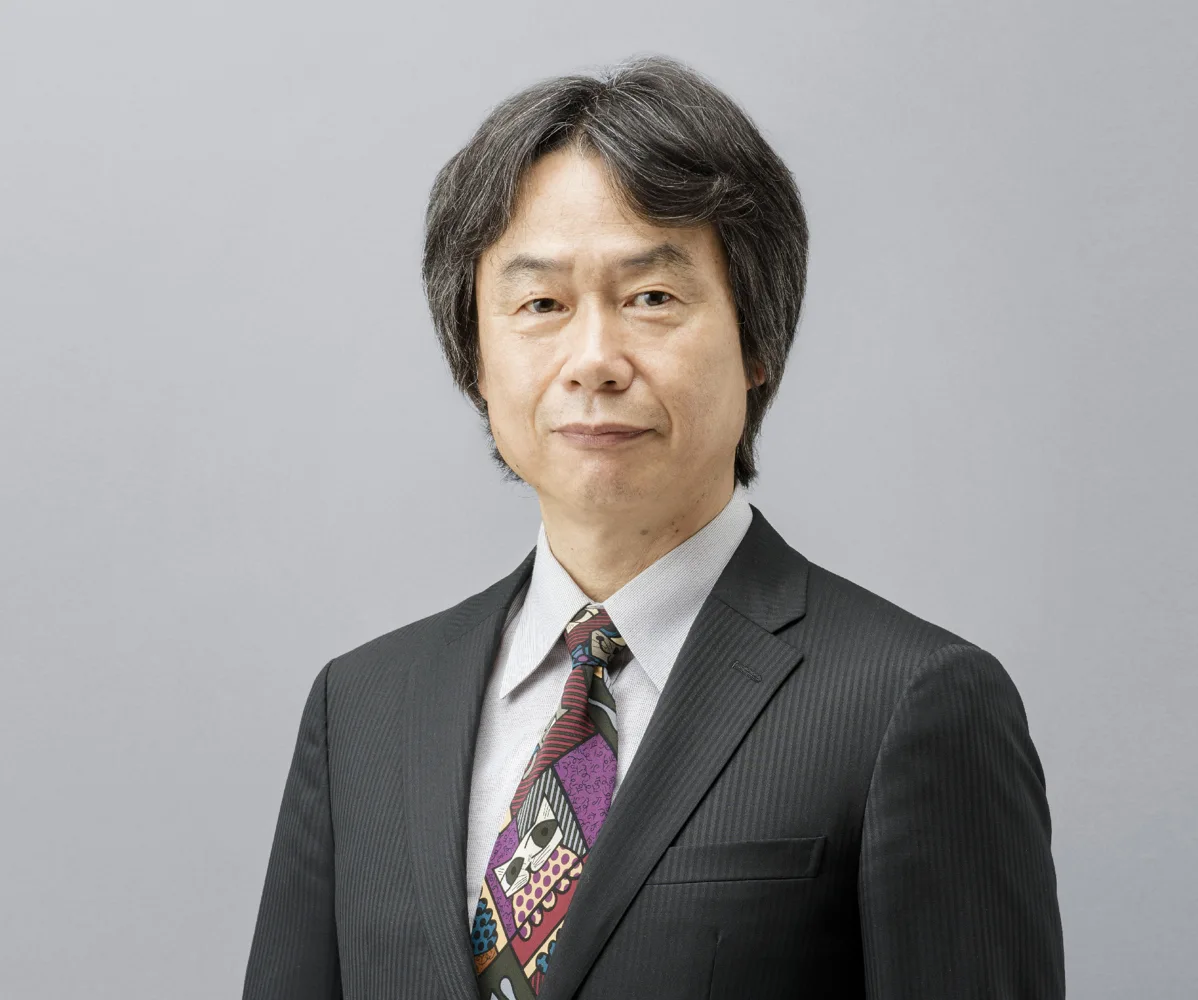
Photographs and licenses. Images have been resized and converted to WebP. Each photograph’s license also applies to its optimized version. The featured portrait is credited to 文部科学省ホームページ / MEXT, CC BY 4.0.
- GDC 2007: Vincent Diamante; E3 2006: jon jordan. Both CC BY-SA 2.0.
- Tezuka, Miyamoto, and Kondo: Nico Hofmann; Nintendo headquarters: Insightwm; Sonobe: Suikotei; Super Nintendo World: Jpatokal. CC BY-SA 4.0.
- Nintendo DS Lite: Evan-Amos; Balance Board: Dddeco; Walk of Game: BrokenSphere. CC BY-SA 3.0.
- NES, SNES, Nintendo 64, GameCube, Wii, and 3DS photographs: Evan-Amos, public domain.