
AN ARCADEBOT SPECIAL · CHAPTER 2 OF 6 · Back to the TMNT gaming history guide
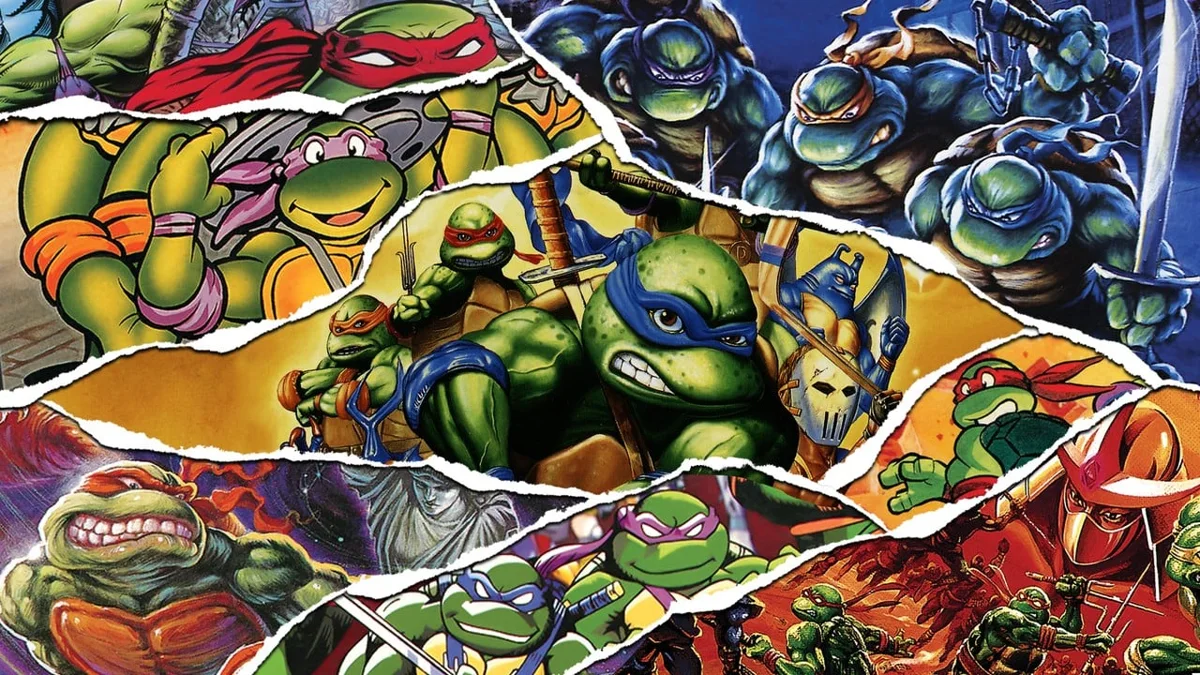
In a video game history, it is tempting to jump from the SNES to the PlayStation 2 as though a missing sequel fills the gap. For the Ninja Turtles, that gap is part of the story. The flood of early-1990s releases gave way to a much less consistent stretch, until a new animated series gave Konami a reason to return.
1994: Tournament Fighters Says Goodbye to the NES
The NES version of Tournament Fighters arrived in 1994, following the 1993 SNES and Genesis releases. Konami brought one-on-one fighting to a console that was already sharing shelf space with more powerful systems. Its historical importance lies less in matching everything the 16-bit versions could do than in showing how a fighting game could work on an 8-bit machine.
The shared title can be misleading. Fighters and rules change between versions, so any comparison of characters or moves needs to identify the platform. Having all three in The Cowabunga Collection makes their differences easier to explore without treating them as simple ports.
A Gap in the Console Lineup
The major home consoles did not receive the kind of annual run TMNT had enjoyed from 1989 to 1993. That does not mean the brand vanished from every device: electronic toys and other licensed experiences belong to a wider catalog. It does mean we should resist filling the gap with supposed PlayStation or Nintendo 64 releases.
TMNT’s continued presence as a brand and a sustained line of console games are two separate things. This chapter follows the latter. The pause helps explain why the 2003 comeback felt like a fresh start with Konami, rather than the next step after Turtles in Time.
2003: A New Series Gives the Games a New Look
Teenage Mutant Ninja Turtles (2003) launched on PlayStation 2, GameCube, Xbox, and PC. Konami Computer Entertainment Studios developed a 3D action adventure tied to the new animated series. Cel shading helped preserve a cartoon look, using stylized characters and outlines inside three-dimensional environments.
Two-player co-op brought back part of the arcade appeal, but reading a 3D space introduced different challenges. In a side-scrolling beat ’em up, an enemy’s position is usually immediately clear. Depth and camera angles made judging your attack range part of the fight. New technology alone did not guarantee a better version of the formula.
The 2003 Game Boy Advance release was a separate Konami game, built around single-player, side-scrolling action. Sharing a name did not mean the handheld ran a scaled-down version of the same 3D world. The listings for consoles and PC and GBA document two different designs sold under one campaign.
Battle Nexus: Four Turtles Share the Adventure Again
TMNT 2: Battle Nexus (2004) continued Konami’s run on PS2, GameCube, Xbox, and PC. With co-op for up to four players, the number of people holding controllers could finally match the team on-screen.
The television connection carried over settings and characters from the 2003 animated series. For fans of that show, recognizing its world was a major part of the appeal. Arcade veterans had a different question: how much pace and clarity did the combat retain as the group moved through a 3D environment?
The GBA version, also released in 2004, again followed a separate handheld design. The listings for Battle Nexus and its GBA counterpart distinguish them. One description of controls or game modes cannot accurately cover both.
2005: Mutant Nightmare and Mutant Melee Split Paths
TMNT 3: Mutant Nightmare (2005) continued the cooperative action on PS2, GameCube, and Xbox, once again drawing on the animated series. The Nintendo DS edition shared its name and setting but offered a separate handheld experience. Do not add PC to this release by carrying over Battle Nexus’s platform list. The console and DS listings help keep those details straight.
Meanwhile, TMNT: Mutant Melee (2005), developed by Konami Computer Entertainment Hawaii, focused on arena battles and competitive challenges. It appeared on GameCube, Xbox, PC, and PS2, with regional availability varying. Its structure separates it from the adventure trilogy: progressing through a co-op campaign and completing objectives inside an arena are different experiences. MobyGames records the details of its editions.
The Transition at a Glance
| Game | Initial Release | Platforms and Format |
|---|---|---|
| Tournament Fighters, NES version | 1994 | NES · fighting; Konami |
| TMNT | 2003 | PS2, GameCube, Xbox, PC · 3D action; Konami |
| TMNT, GBA version | 2003 | GBA · separate side-scrolling action game; Konami |
| Battle Nexus | 2004 | PS2, GameCube, Xbox, PC · cooperative action; Konami |
| Battle Nexus, GBA version | 2004 | GBA · separate handheld design; Konami |
| Mutant Nightmare | 2005 | PS2, GameCube, Xbox · cooperative action; Konami |
| Mutant Nightmare, DS version | 2005 | Nintendo DS · separate handheld design; Konami |
| Mutant Melee | 2005 | GameCube, Xbox, PC, PS2 · arena combat; Konami Hawaii |
Some European editions arrived in years after their North American debuts. That delay explains why certain timelines place the trilogy in 2004–2006. Here, each game keeps its initial release year, so a later regional launch does not become an imaginary sequel.
What Konami’s Comeback Left Behind
This era showed that TMNT could change its visual identity while keeping the four brothers at its center. It also offered a useful lesson: a license does not make one design work equally well on consoles, PCs, and handhelds. When hardware calls for different games, those games deserve to have their differences explained.
This period ends before the 2007 animated movie. With that film would come Ubisoft and another round of experiments: platforming, handheld combat, fighting games, and a new take on Turtles in Time.
Continue the journey: ← Chapter 1: 1989–1993 · Series guide · Chapter 3: 2007–2011 →