Bahamut was not originally a dragon. Shiva is not a Hindu ice goddess. And Final Fantasy VII’s thirteen Knights of the Round cannot be matched to a fixed medieval roster of thirteen named knights.
The summons in Square’s original 1997 PlayStation game draw on Greek, Norse, biblical, Arabic, Hindu, and Arthurian traditions. Others are Final Fantasy creations. Their cultural backgrounds reveal both the details the game preserves and the changes it makes.
This article covers the original game’s 16 distinct summon Materia. Master Summon brings those summons together; it does not introduce another creature. Summons added in Remake, Rebirth, or other games are outside this article’s scope.
What are summons in Final Fantasy VII?
Summons are beings called through red Materia. Their short sequences depict powers ranging from ice and lightning to tidal waves and resurrection. That is the only gameplay background needed to understand the cultural stories behind them.
Names, myths, and design choices
An ancient name does not establish why Square chose a particular design. This article separates documented cultural antecedents from likely connections, fan interpretations, and fictional designs. Where no verifiable statement from the creators was found, a proposed influence remains a proposal.
All 16 summons
Choco/Mog · Shiva · Ifrit · Ramuh · Titan · Odin · Leviathan · Bahamut · Kjata, or Kujata · Alexander · Phoenix · Neo Bahamut · Hades · Typoon, or Typhon · Bahamut ZERO · Knights of Round
Choco/Mog: Final Fantasy creations
Choco/Mog pairs a chocobo with a moogle. Its usual sequence is a comic charge; an alternate animation drops a Fat Chocobo onto the enemies. These are not two ancient gods brought together by Square. They are creatures created for Final Fantasy.
The moogle has a documented design history. In an official interview, Koichi Ishii recalled imagining white, koala-like creatures with bat wings when he was a child. That account explains features such as the large nose without requiring a religious or folkloric ancestor. The interview looks back at the character’s creation; it does not expand this article’s summon list.
A chocobo’s neck, legs, and role as a mount invite comparisons with large ground-dwelling birds. That visual resemblance does not prove descent from a particular sacred bird. Nor does sharing the category of bird establish a connection with the phoenix.
The Materia’s name simply combines shortened names for its two stars: Choco and Mog. In FFVII, the pairing expresses the game’s comic personality rather than a specific inherited myth.
References: Koichi Ishii — statements reproduced by Forbes (2020)
Shiva: a Hindu deity reimagined as an ice woman
Final Fantasy VII depicts Shiva as a feminine figure associated with ice. Her namesake is one of Hinduism’s major deities, usually represented as male. The Sanskrit name Shiva is commonly understood as «the auspicious one.» The religious figure is not traditionally an ice goddess.
Shiva’s traditions and forms are diverse. He can appear as an ascetic, as Parvati’s husband, or as Nataraja, Lord of the Dance. In the dancing image, creation and destruction belong to a continuing cosmic cycle. The drum, flame, and reassuring gesture communicate different aspects of divine power. Calling him only a destroyer misses much of that meaning.
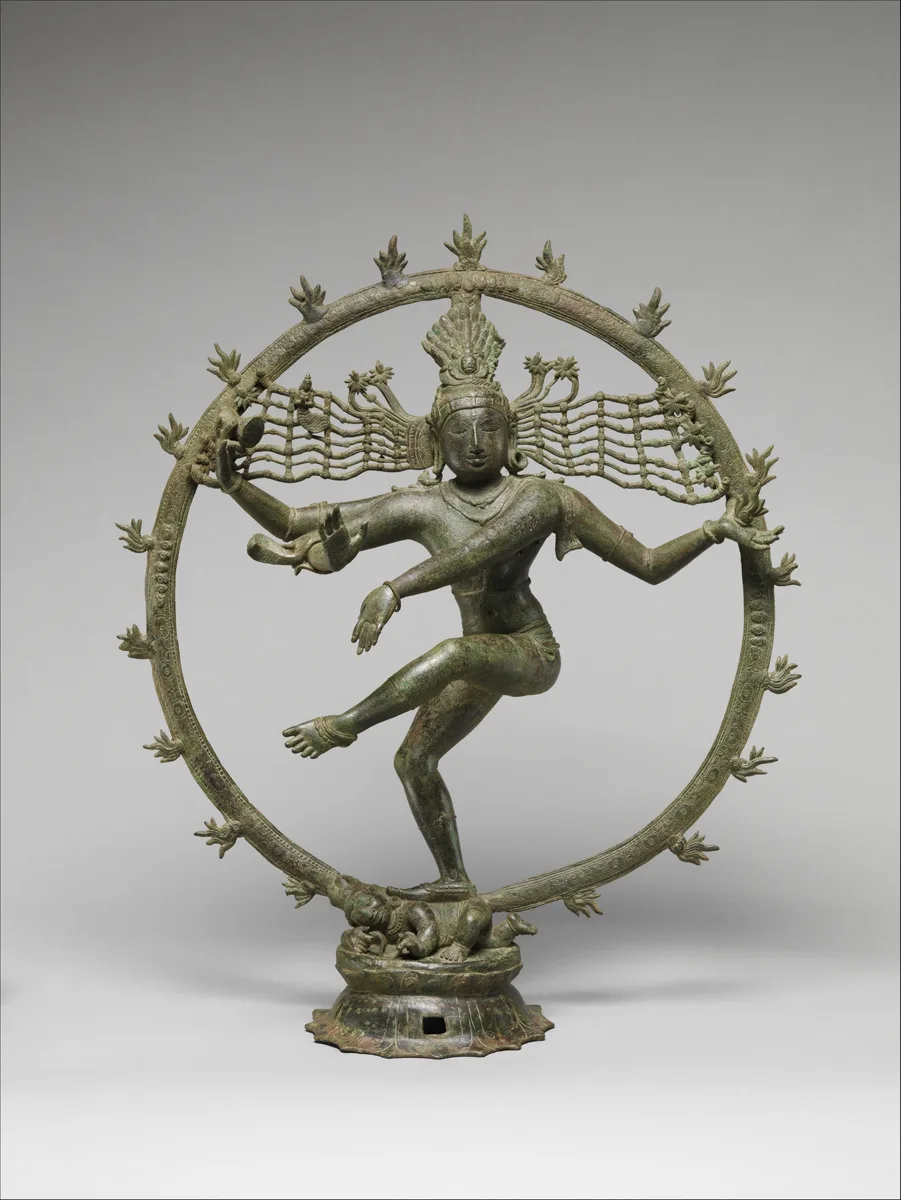
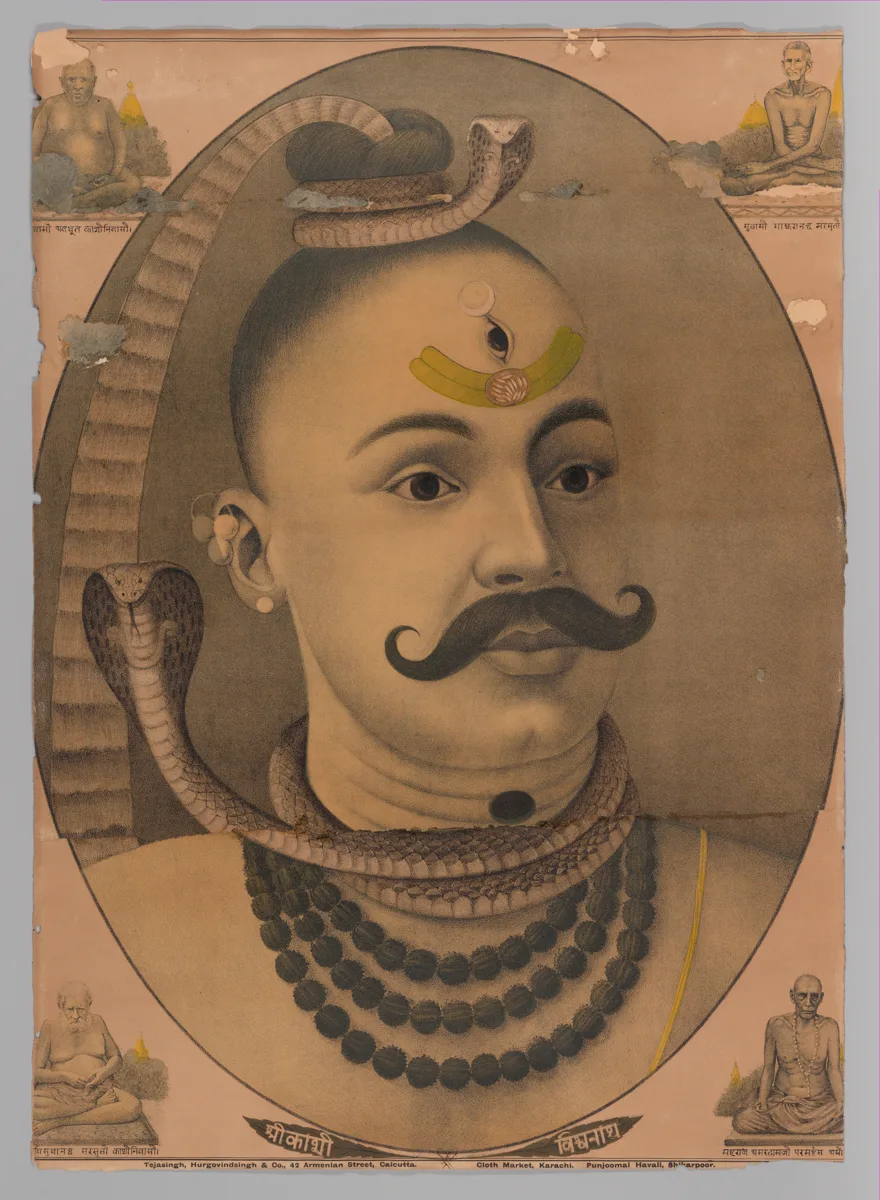
Other familiar attributes include a third eye, matted hair, and the Ganges descending through his locks. There are also forms that unite Shiva and Parvati in one body. This variety does not establish that FFVII’s summon directly represents any one of those forms.
The shared name makes the cultural reference recognizable. The ice woman is a fantasy reinterpretation. Explanations involving Himalayan snow or a pun on the English word shiver should not be credited to Square without a verifiable creator statement. The sources consulted do not establish why this particular gender presentation and element were chosen.
References: The Met — Shiva Nataraja · The Met — Shiva, Kashi Vishvanatha · Shiva — National Museum of Asian Art
Ifrit: a powerful jinn, not a fire god
Ifrit is a large, horned being who unleashes fire. His name comes from Arabic ʿifrīt, a term associated with formidable supernatural beings, especially within traditions about jinn. It did not originally name one individual deity called Ifrit.
In Quran 27:39, an ifrit from among the jinn offers to bring Solomon the requested throne before he rises from his seat. The passage emphasizes strength and the ability to carry out the task. It does not describe the game’s horned creature or a fire attack.
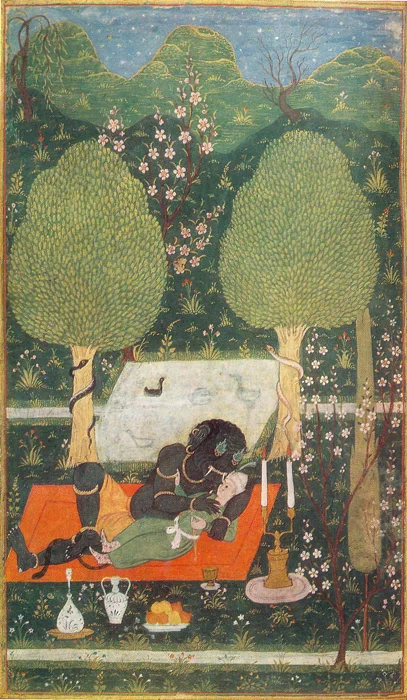
The fire connection has a broader religious background: Quran 55:15 describes the creation of jinn from a smokeless flame. This provides cultural context for a fiery interpretation, but it does not mean every story gives ifrit the same appearance or powers.
Square turns a kind of supernatural being into an individual fire summon. The horns, bestial anatomy, and specific animation belong to that adaptation. Equating him with the Christian devil collapses different religious traditions into one.
References: Quran 27:39 — Quranic Arabic Corpus · Quran 55:15
Ramuh: an unresolved name behind the lightning sage
Ramuh is an elderly, long-bearded figure with a staff who calls down lightning. The image reads readily as a wise master of storms. The exact source of his name is less secure.
Fan explanations have connected Ramuh with Rama, the hero of the Ramayana, or with the Mesopotamian figure Lahmu. These are identification theories. A similar name or a beard is not enough to establish a historical source, and no Square documentation resolving the question was found.
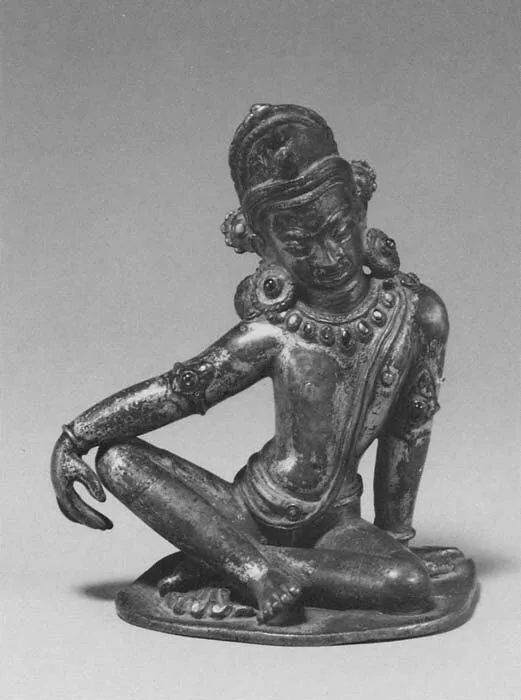
Indra offers a useful cultural comparison because of his associations with the thunderbolt, rain, and the defeat of Vritra in Vedic tradition. Those functions do not prove that Ramuh is Indra under another name. They also do not justify turning Rama into a thunder god to make a theory fit.
The most accurate conclusion preserves the uncertainty. The lightning-wielding elder is clearly present in the game; a connection with one particular historical deity remains speculative. The image of Indra in this section illustrates a comparison, not a portrait of a supposedly proven «original Ramuh.»
References: Ramuh — fan etymologies · Getty Iconography — Indra
Titan: a generation of gods becomes one giant
Titan lifts an enormous section of ground and overturns it. His muscular body and connection with the earth condense the modern idea of a gigantic being. His name points to the Greek Titans, but FFVII does not identify him as one particular member of that group.
In Hesiod’s Theogony, the first Titans are children of Gaia and Uranus: Earth and Sky. They include Cronus, Rhea, Oceanus, and Mnemosyne. They are not a uniform species of rock monsters. They are a generation of divine beings with different roles.
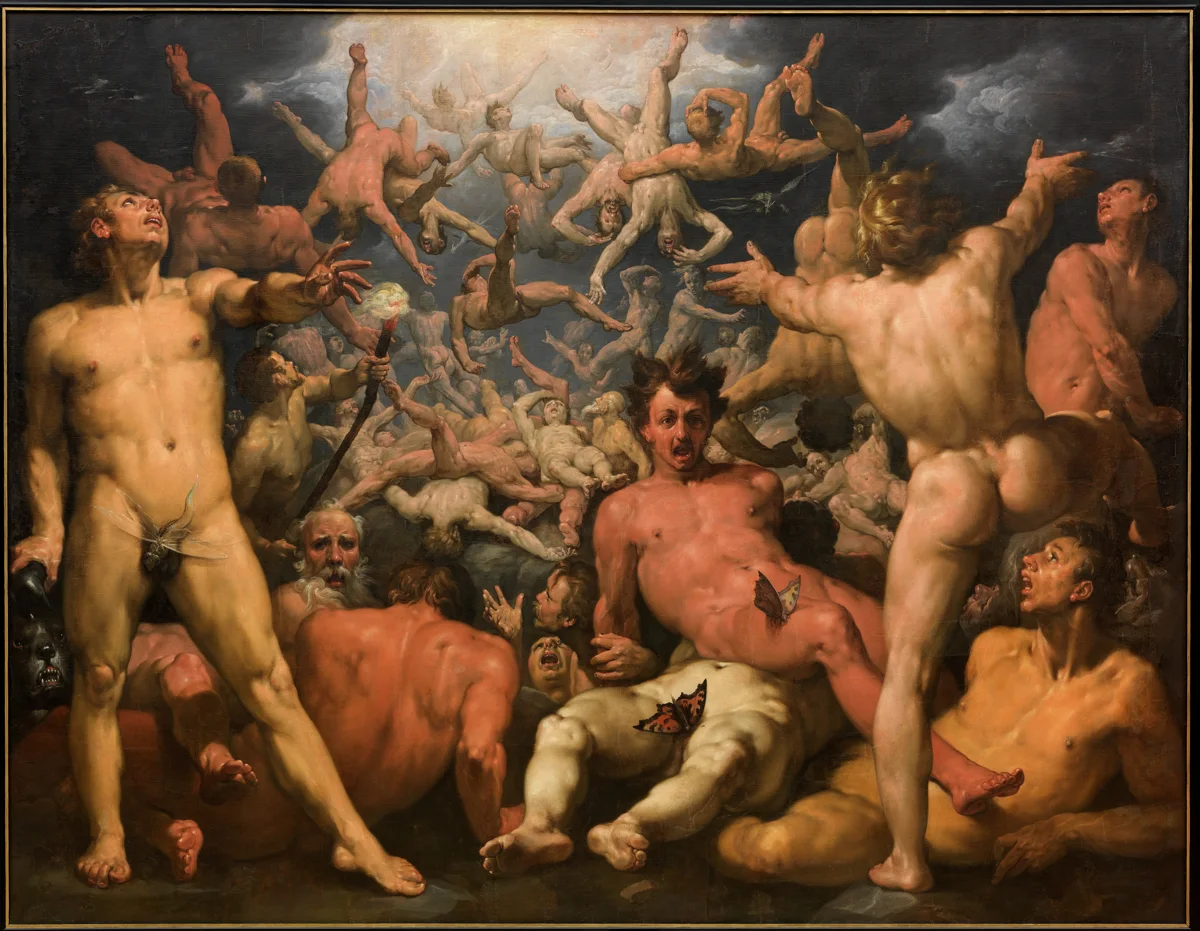
Cronus overthrows his father, then tries to prevent his own children from overthrowing him. Zeus survives, and the conflict between generations leads to the war against the Titans. That story establishes their place before the Olympian order.
FFVII turns a collective name into an individual. An earth connection is compatible with descent from Gaia, but lifting the battlefield is the game’s own staging. There is no reason to identify the summon specifically as Atlas merely because both evoke strength.
References: Hesiod — Theogony, translation H. G. Evelyn-White, 1914
Odin: the Norse rider and his spear
Odin appears as a mounted warrior who can attack with either sword or spear. His namesake is a major deity of Germanic and Norse traditions, associated with war, the dead, poetry, magic, and the pursuit of knowledge. Thor is the god characteristically associated with thunder.
Norse stories portray knowledge as something Odin must pay for. He gives up an eye for wisdom and hangs on the world tree to gain the runes. His ravens, Huginn and Muninn, travel through the world and bring him news.
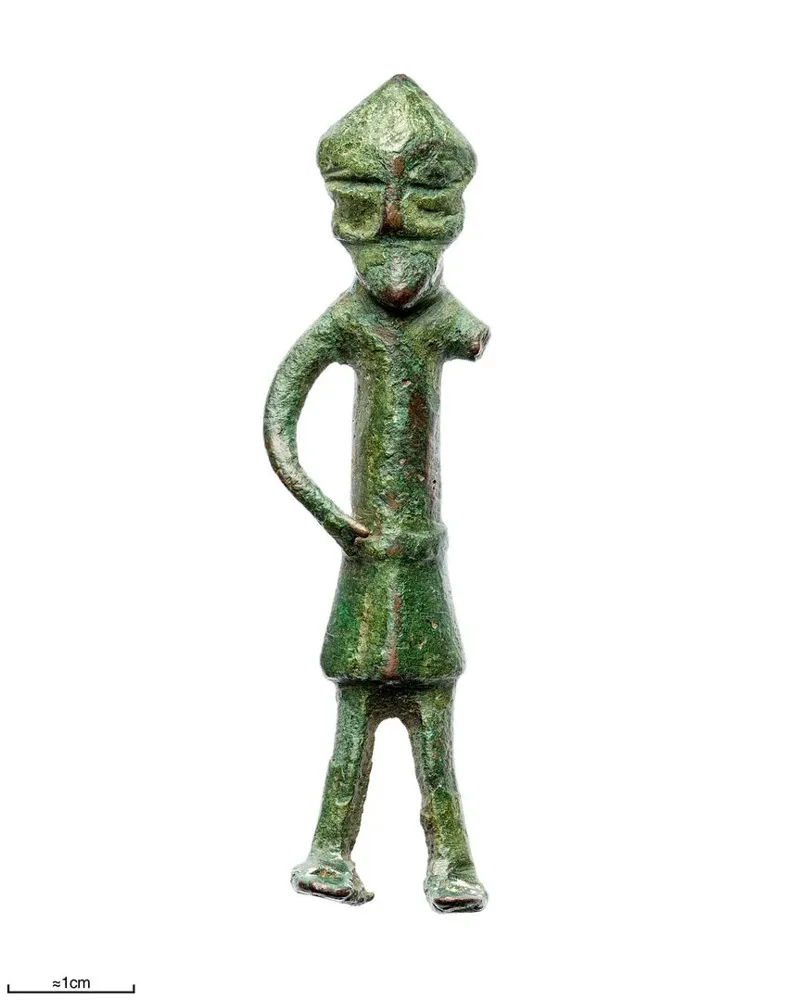
The Prose Edda describes Odin’s horse Sleipnir as having eight legs. The game’s six-legged mount retains the idea of an extraordinary horse while changing that detail. Describing the 1997 model as an exact reproduction of Sleipnir would therefore be misleading.
The spear provides a particularly clear reference to Gungnir, reflected in FFVII’s English attack name Gunge Lance. Steel Bladed Sword belongs to another part of the fantasy design. That sweeping sword attack is not the emblematic weapon that defines Odin in the Norse sources.
References: Swedish History Museum — Odin · Snorri Sturluson — The Younger Edda, translation R. B. Anderson, 1880 · Final Fantasy Wiki — Odin (FFVII), game reference
Leviathan: the biblical creature behind the tidal wave
Leviathan takes the form of an enormous serpentine creature and produces a tidal wave. His name comes from Leviathan in the Hebrew Bible. The sea connection is supported by the texts, though the biblical appearances do not offer one unchanging description.
Job 41 presents a creature beyond human control, with formidable defenses and breath described through fire and smoke. Isaiah 27:1 speaks of a serpent God will punish. Psalm 74 recalls the crushing of its heads, while Psalm 104 places Leviathan in the sea as part of creation.
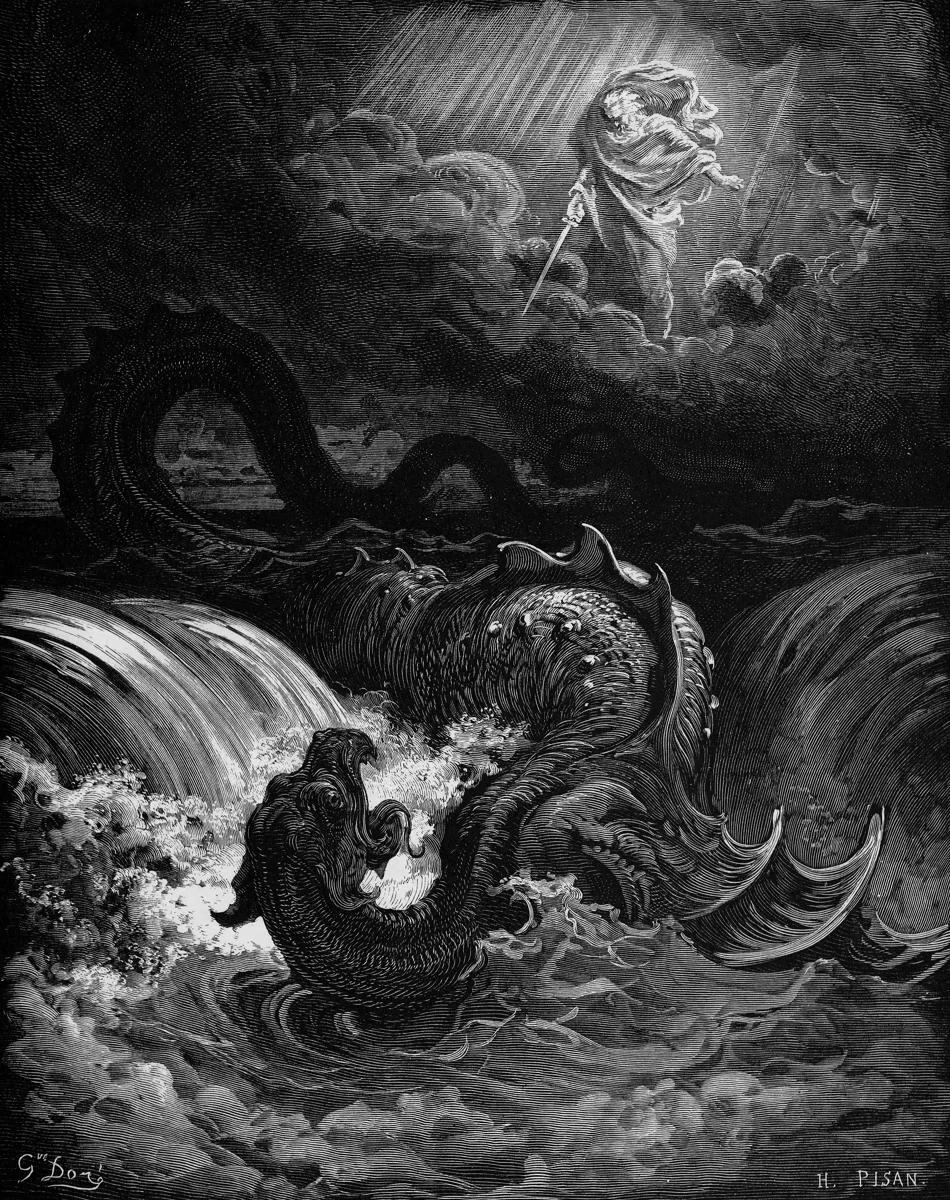
The background extends beyond the Bible. Scholars compare these passages with Lotan, the serpent of the Ugaritic texts, within ancient Near Eastern traditions about conflict with powers of the sea. That relationship between ancient narratives does not prove that Square directly consulted an Ugaritic text.
The game preserves the name and marine presence while giving the creature a clear aquatic identity. A tidal wave does not summarize all its biblical attributes. Job’s fiery imagery and the multiple heads in other passages reveal how selectively the fantasy adaptation works.
References: Bible — Job 41, KJV · Leviathan: Job, Psalms, and Isaiah · Conflicts at creation: Genesis 1–3 in dialogue with the Psalter — research article
Bahamut: from a world-supporting fish to a dragon
FFVII’s Bahamut is a winged dragon who releases a blast of energy. The name’s cultural antecedent, however, is an immense marine creature in medieval Arabic cosmography. In that setting, Bahamut was not the king of a race of dragons.
Edward William Lane records one version in Arabian Society in the Middle Ages, published in 1883 from his earlier notes. The earth needs support: an angel holds it, the angel stands on a rock, the rock rests on a bull, and the bull stands on a gigantic fish named Bahamoot. Beneath it lie water and darkness.
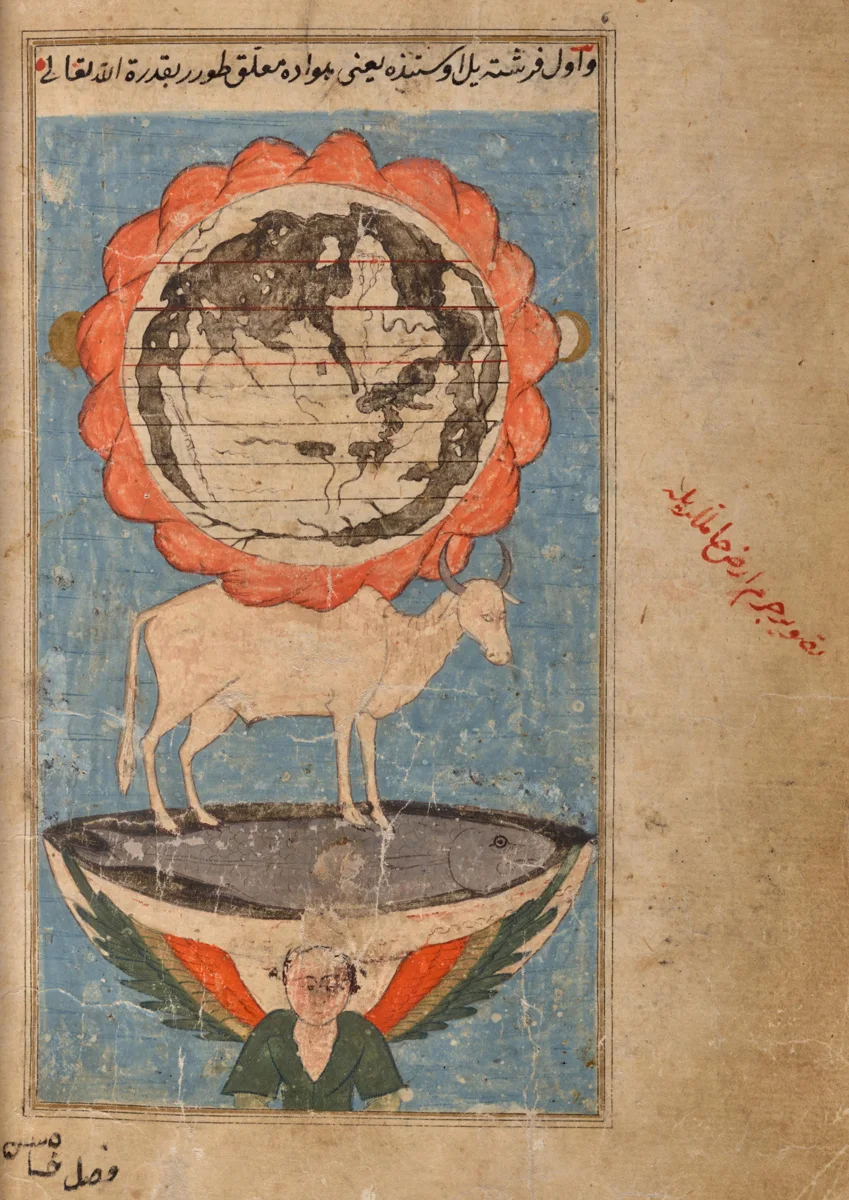
Lane also records variations. It is more accurate to speak of a tradition of cosmographical narratives than a single doctrine shared by all Muslims. His book is a nineteenth-century compilation of older materials, not a Quranic passage or itself a medieval text.
Modern fantasy reused the name differently. The 1977 Advanced Dungeons & Dragons Monster Manual presents Bahamut as the Platinum Dragon. That establishes a dragon association before Square’s game. It is a possible avenue of influence, not proof of the exact route by which the name reached FFVII’s designers.
The game drops the creature’s role as a support for the cosmos. An old name and extraordinary scale remain, attached to a fantasy dragon. The energy beam and draconic appearance are not documented attributes of the fish in Arabic cosmographical tradition.
References: Edward William Lane — Arabian Society in the Middle Ages (1883), chapter: Cosmography · Gary Gygax — Monster Manual (TSR, 1977), Platinum Dragon (Bahamut); bibliographic reference
Kjata, or Kujata: the bull in Bahamut’s cosmic world
Kjata is the name used in the original English localization for the summon also known as Kujata. A huge bovine creature surrounded by elemental phenomena, it has a likely connection with the same cosmographical narratives that help explain Bahamut.
In Lane’s account, the bull Kuyootà supports the rock beneath the angel who bears the earth. The text gives the bull four thousand eyes and corresponding numbers of other body parts. The multiplication of organs and vast distances between them communicate a scale beyond ordinary human experience.
Spellings such as Kuyootà, Kuyūtha, and Kujata belong to a history of transmission across languages and publications. They should not be treated as one unambiguous Arabic spelling. The similar name, bull-like form, and presence alongside Bahamut make the relationship plausible. A developer account identifying the particular source used was not found.
Square transforms a support of the world into a creature expressing several forces of nature. Its elemental effects do not follow from Lane’s narrative. Although Kujata and Bahamut share a cultural background, FFVII does not place the bull on the dragon’s back or reproduce that layered structure of the universe.
References: Edward William Lane — Arabian Society in the Middle Ages (1883), chapter: Cosmography
Alexander: a fortress with a historical name
Alexander resembles a mechanical fortress rising from the ground and releasing a judgment-like light. The name naturally suggests Alexander the Great, the fourth-century BCE Macedonian king. That suggestion is not, by itself, a confirmed design source.
The historical Alexander acquired another life in literature. Versions of the Alexander Romance gave him marvelous encounters and adventures. Some traditions describe him sealing threatening peoples behind a barrier. The medieval King Alisaunder, for example, includes Gog and Magog in its account of his legendary conquests.
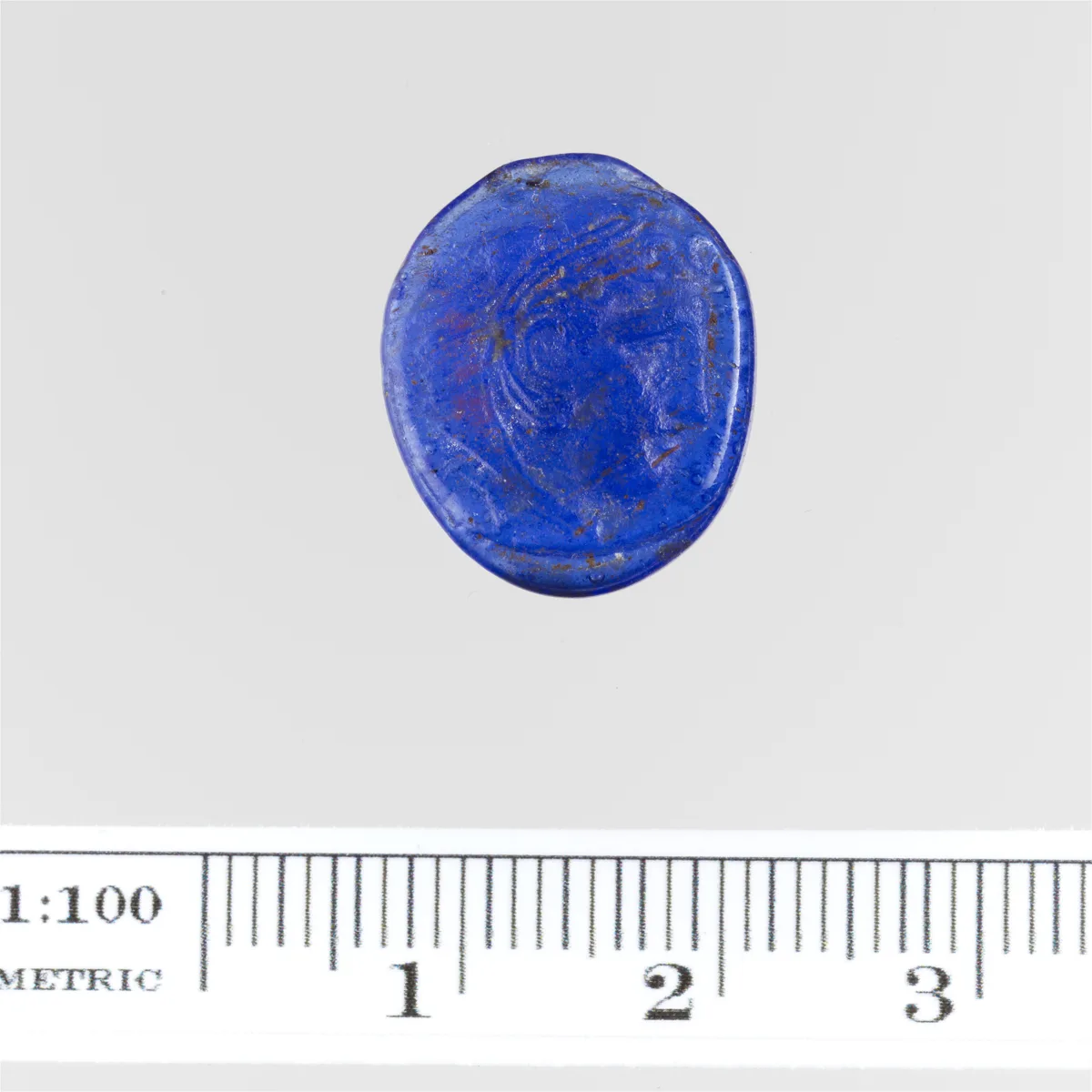
A monumental protective structure offers a parallel with the Gates of Alexander. This is a possible reading of the summon, not an explanation that can be credited to Square. We cannot conclude that the creature literally represents those gates, portrays the conqueror, or reenacts a historical incident.
The Greek name Alexandros is commonly interpreted as «defender of men.» That meaning can also fit a fortress, but it does not settle the question. The living building and its luminous weaponry are part of the game’s fantasy design.
References: King Alisaunder — Database of Middle English Romance · FF Compendium — name theories, not Square confirmations
Phoenix: the changing story of the bird that returns
Phoenix is a fiery bird associated with a return to life. The pairing preserves a familiar interpretation of the phoenix: renewal after death. The story, however, did not always take the same form.
In Histories 2.73, Herodotus describes what he was told about a sacred bird of Heliopolis. He says he had seen it only in pictures, with red and gold feathers and an eagle-like appearance. It reportedly arrived at five-hundred-year intervals, carrying its dead father in a covering of myrrh. This is not the familiar scene of a bird setting itself alight and rising from its ashes.
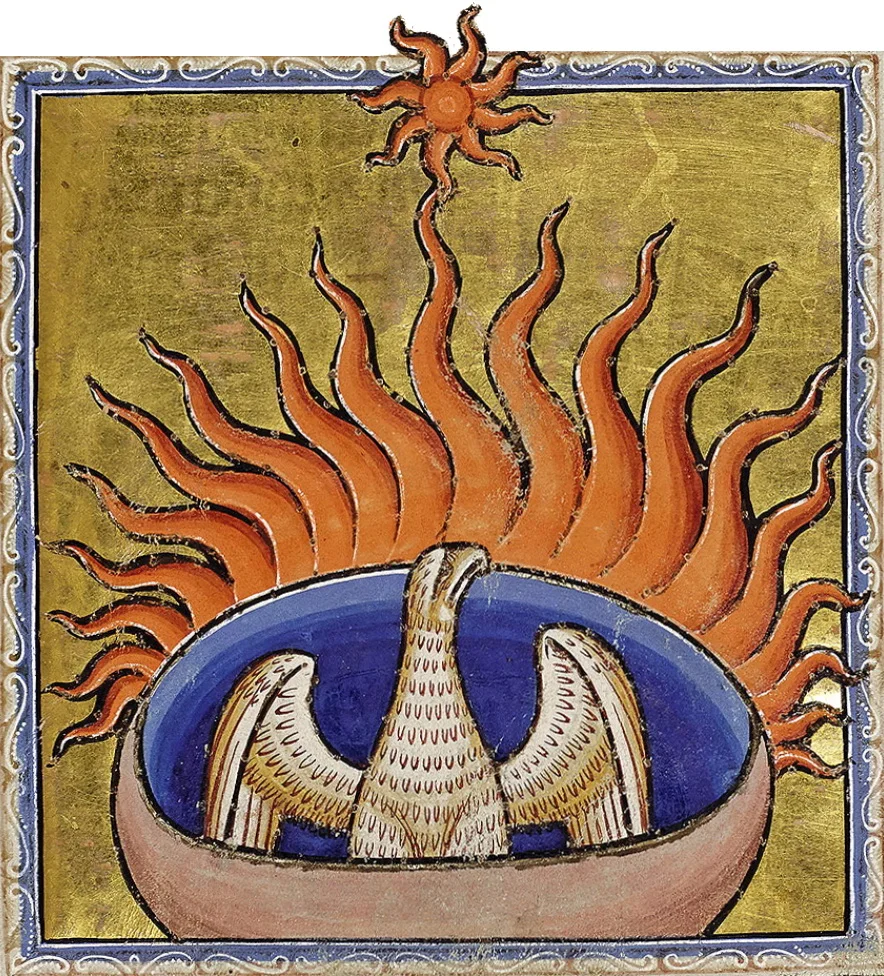
Other writers and traditions developed different death-and-renewal cycles. Christian literature also used the bird as an image of resurrection. Connections with the Egyptian benu help explain the solar background, but do not make every sacred bird or every creature called a phoenix interchangeable.
FFVII chooses the fiery renewal image and makes it immediately visible. Restoring fallen allies translates that symbolism into the game’s fiction. This phoenix should not automatically be identified with the Chinese fenghuang, which has its own cultural history.
References: Herodotus — Histories 2.73, University of Chicago · Encyclopædia Britannica (1911) — Phoenix: historical variants
Neo Bahamut: a new fantasy variant
Neo Bahamut is a separate Materia, not a newly discovered creature of Arabic folklore. Its sequence raises a section of terrain into the air before a reddish dragon destroys it with an energy discharge. The animation enlarges the spectacle associated with the game’s Bahamut.
The prefix neo- conveys newness. It does not identify another medieval cosmographical creature or a traditional descendant of the fish Bahamoot. Neo Bahamut shares the cultural history of the name, while its form and role are Square’s fiction.
Keeping that distinction prevents an invented ancient genealogy for every variant. The meaningful comparison is between the world-supporting fish and this fantastic development of the dragon.
References: Edward William Lane — Arabian Society in the Middle Ages (1883), chapter: Cosmography · FFVII — Materia catalogue, FF Exodus
Hades: the ruler of the underworld is not the devil
Hades appears as a hooded, skeletal figure leaning over a cauldron. His name belongs to the Greek god who rules the realm of the dead. The same word can also refer to that realm.
In Greek tradition, Hades is the brother of Zeus and Poseidon. He is not a fallen angel or the cosmic enemy of a creator god. The underworld receives the dead; it is not simply an earlier version of Christian hell. His relationship with the dead also does not make him the Greek personification of dying, a role associated with Thanatos.
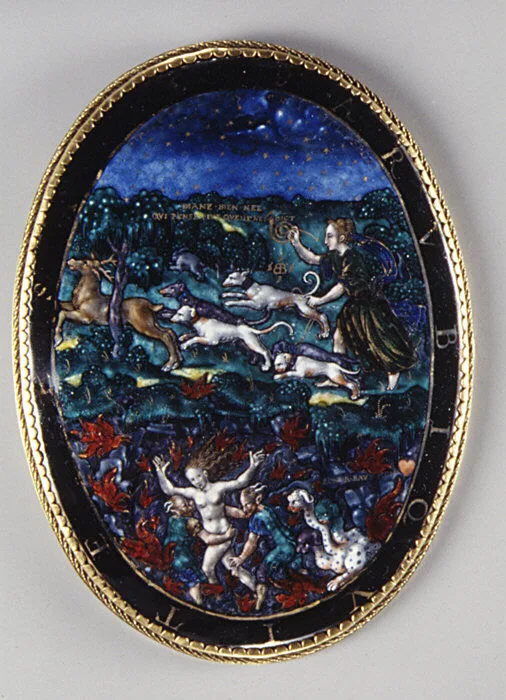
The Homeric Hymn to Demeter recounts Hades’ abduction of Persephone. The separation of mother and daughter brings a crisis as Demeter prevents the earth from producing crops. The eventual arrangement connects Persephone with the worlds above and below. It is a story about power, loss, fertility, and return, rather than a demon brewing poisons.
The summon retains an association with a feared realm, but the cauldron and skeletal sorcerer are a fantasy adaptation. They are not the attributes defining the god in that hymn. The design does not justify describing the religious figure as «the Greek Satan.»
References: Homeric Hymn to Demeter, translation Evelyn-White · Theoi — Hades and ancient sources
Typoon, or Typhon: the Greek monster behind the name
Typoon is the original English localization’s name for the summon also known as Typhon. The grotesque creature has two enormous mouths. Its namesake is Greek Typhon, also called Typhoeus.
In the Theogony, Hesiod makes him a child of Gaia and Tartarus. A hundred serpent heads rise from his shoulders, his voices imitate different animals, and fire accompanies his gaze. He battles Zeus in a confrontation that shakes sky, sea, and earth before the god defeats him with thunderbolts.
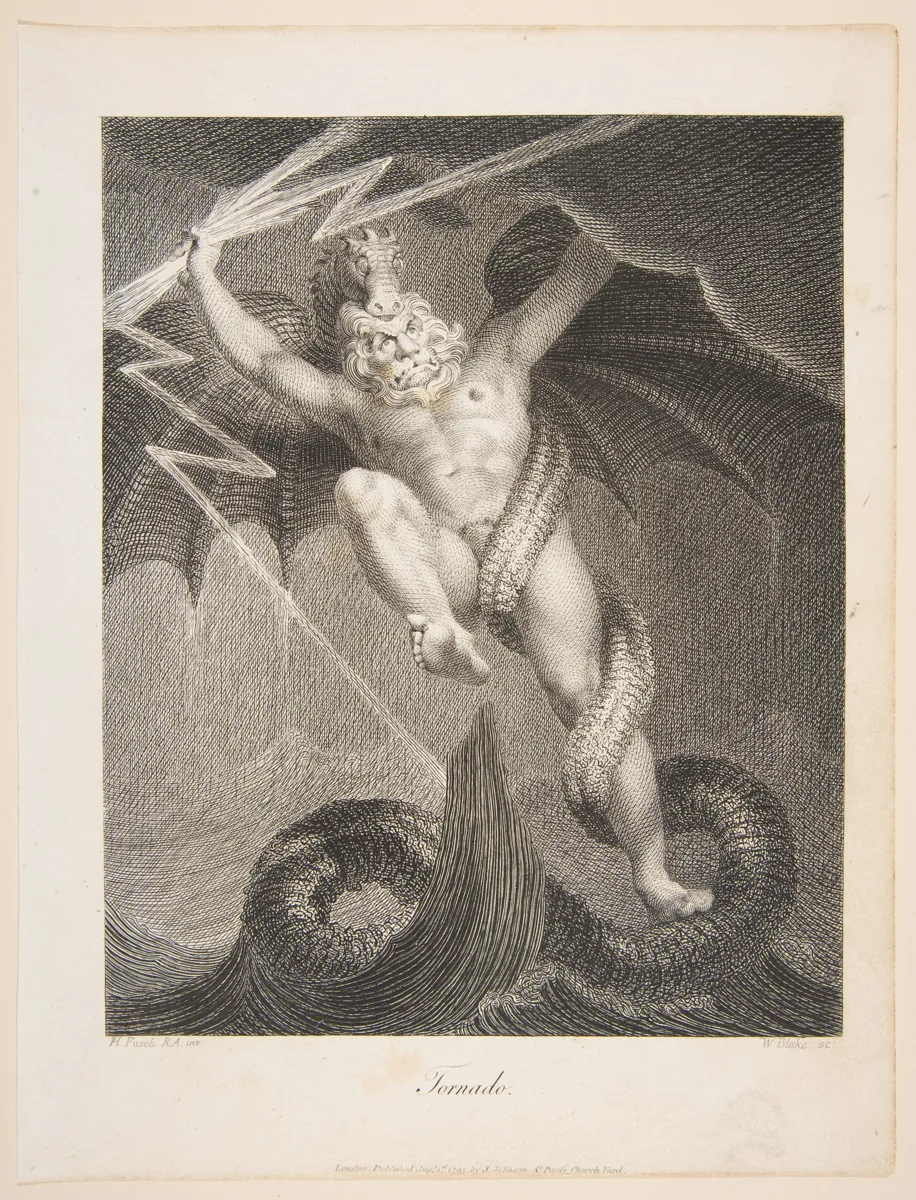
The poem also connects him with destructive winds. That background helps explain the name’s suitability for images of natural catastrophe. It does not establish a one-to-one correspondence between every visual effect in the game and an episode in Greek poetry.
FFVII’s creature does not reproduce Hesiod’s hundred heads or described body. The huge mouths and proportions are fantasy design. Resemblance to two-faced beings in other traditions can be discussed as a comparison, but without documentation it does not prove that Square used a specific Japanese creature as its design source.
References: Hesiod — Theogony, translation H. G. Evelyn-White, 1914 · Theoi — Typhoeus and ancient sources
Bahamut ZERO: an ancient name reaches space
Bahamut ZERO takes the sequence to a planetary scale. A six-winged dragon fires from space toward the world’s surface. It is a third distinct summon, not another name for Neo Bahamut.
No traditional creature called Bahamut ZERO was found in the historical sources consulted. The cosmographical fish does not have this spacefaring form or an orbital beam. Bahamut retains its cultural background; ZERO and the design belong to the game’s invention.
The three Materia show how far a reference can travel: a name associated with the structure of the cosmos ends up attached to a space-fantasy dragon. That contrast is interesting without claiming that the designers intended a literal illustration of Arabic cosmology.
References: Edward William Lane — Arabian Society in the Middle Ages (1883), chapter: Cosmography · FFVII — Materia catalogue, FF Exodus
Knights of Round: Arthur’s fellowship has no fixed roster
Knights of Round, also widely called Knights of the Round, presents thirteen warriors attacking in succession. The cultural reference is Arthurian tradition: King Arthur and the fellowship of knights gathered around him.
The legend does not come from one book. British and French texts added episodes, characters, and values over the Middle Ages. The British Library dates the Round Table’s literary introduction to Wace’s Roman de Brut, completed in 1155. A round table avoids a privileged head position and expresses shared standing within a prestigious company.
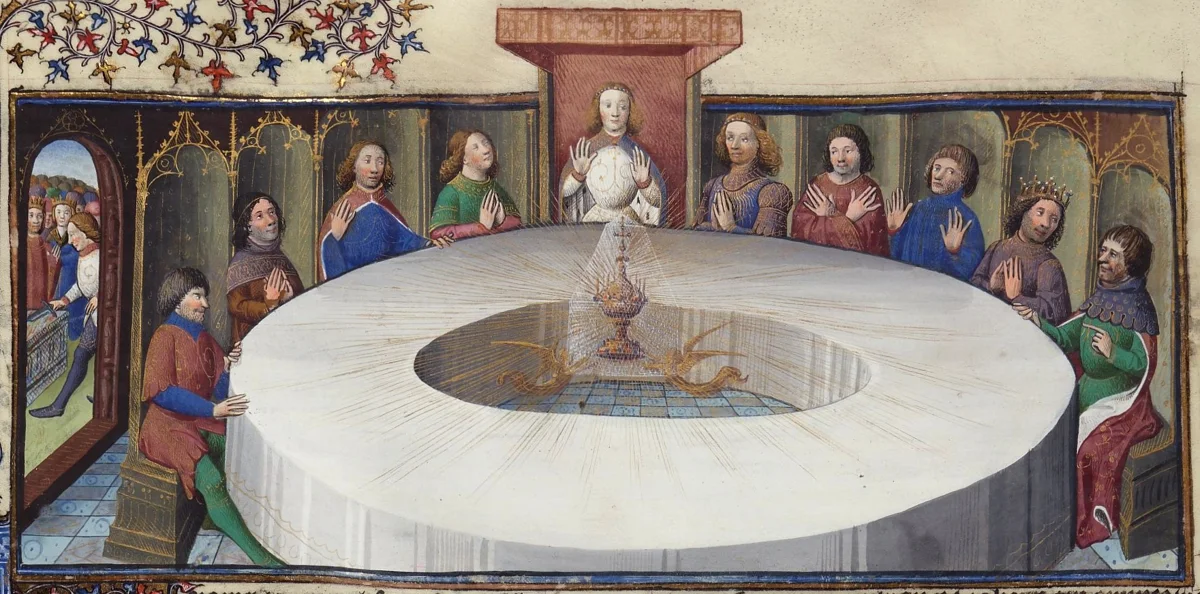
Lancelot, Gawain, Perceval, and Galahad belong to different stages of this developing narrative tradition. Stories of the Grail quest, loyalty, and the kingdom’s collapse are not a verified historical biography. Whether a historical Arthur existed remains debated.
Who are the thirteen in FFVII? The animation distinguishes thirteen figures but does not supply individual names. The final figure is often read as Arthur. Assigning names such as Lancelot or Galahad to the preceding twelve would require additional documentation; their weapons and colors are not sufficient evidence.
Nor is there a universally authoritative list of exactly thirteen Round Table knights across Arthurian literature. Membership and numbers vary with the work. FFVII adapts the idea of a warrior fellowship into its own sequence rather than illustrating a fixed medieval cast of thirteen people.
References: British Library — King Arthur: fable, fact and fiction · FF Compendium — the thirteen-knight sequence
The 16 summons compared
“Documented” here describes an identifiable cultural antecedent. It does not mean Square has confirmed every design decision or the exact source its artists consulted.
| Summon | Culture or tradition | Original figure or reference | Relationship |
|---|---|---|---|
| Choco/Mog | Final Fantasy | Chocobo and moogle | Fictional creation |
| Shiva | Hinduism | Shiva | Documented antecedent; fictional design |
| Ifrit | Arabic and Islamic traditions | ʿIfrīt, jinn | Documented antecedent |
| Ramuh | Unidentified | Rama, Lahmu, and Indra: comparisons | Speculative |
| Titan | Greek tradition | Titans | Documented antecedent; fictional individual |
| Odin | Norse tradition | Odin, Sleipnir, Gungnir | Documented antecedent |
| Leviathan | Bible and ancient Near East | Leviathan; Lotan background | Documented antecedent |
| Bahamut | Arabic cosmography; modern fantasy | Bahamoot, cosmic fish | Documented antecedent; possible mediation |
| Kujata / Kjata | Arabic cosmography | Kuyootà / Kuyūtha, cosmic bull | Probable |
| Alexander | Alexander’s history and legends | Alexander the Great and legendary gates | Speculative |
| Phoenix | Greco-Roman and later traditions | Phoenix | Documented antecedent |
| Neo Bahamut | Final Fantasy; Arabic-derived name | Bahamut variant | Fictional creation using an attested name |
| Hades | Greek tradition | Hades, god of the underworld | Documented antecedent; fictional design |
| Typhon / Typoon | Greek tradition | Typhon / Typhoeus | Documented antecedent; fictional design |
| Bahamut ZERO | Final Fantasy; Arabic-derived name | Spacefaring Bahamut variant | Fictional creation using an attested name |
| Knights of Round | Medieval Arthurian literature | Arthur and the Round Table | Documented reference; identities unconfirmed |
What FFVII makes of these stories
Final Fantasy VII does not transplant one complete pantheon. It selects names, forms, and ideas from different traditions and gives them new roles: a cosmographical bull becomes elemental, a fish becomes three dragons, and a literary fellowship appears as thirteen warriors. Recognizing those transformations makes it possible to appreciate Square’s imagination while keeping it distinct from the religious and cultural histories that preceded the game.
For another look at how a game reworks real-world references, read GTA 6’s real-life locations.
Sources and further reading
Historical texts, museums, and scholarship
Hesiod — Theogony, translation H. G. Evelyn-White, 1914
Homeric Hymn to Demeter, translation Evelyn-White
Quran 27:39 — Quranic Arabic Corpus
Edward William Lane — Arabian Society in the Middle Ages (1883), chapter: Cosmography
Snorri Sturluson — The Younger Edda, translation R. B. Anderson, 1880
Leviathan: Job, Psalms, and Isaiah
Conflicts at creation: Genesis 1–3 in dialogue with the Psalter — research article
Herodotus — Histories 2.73, University of Chicago
Encyclopædia Britannica (1911) — Phoenix: historical variants
The Met — Shiva, Kashi Vishvanatha
Shiva — National Museum of Asian Art
King Alisaunder — Database of Middle English Romance
British Library — King Arthur: fable, fact and fiction
Game references and interpretive limits
Koichi Ishii — statements reproduced by Forbes (2020)
FFVII — Materia catalogue, FF Exodus
Final Fantasy Wiki — Odin (FFVII), game reference
FF Compendium — the thirteen-knight sequence
FF Compendium — name theories, not Square confirmations
Gary Gygax — Monster Manual (TSR, 1977), Platinum Dragon (Bahamut); bibliographic reference
Fan resources were used to check the game’s catalogue and identify circulating theories, not as sole evidence for religious or historical claims. The 1977 Monster Manual is cited as a published primary source for the modern dragon interpretation, not as proof of Square’s intentions.