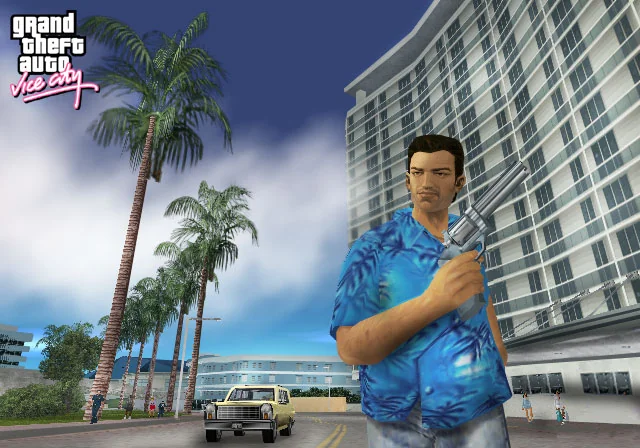
GTA 6 is set in the fictional state of Leonida, with Vice City as its major urban destination. The recognizable real-world reference is Florida: Vice City evokes Miami, the Leonida Keys recall the Florida Keys, and Grassrivers resembles the wetlands of the Everglades. It is a reimagining, rather than a street-for-street travel map.
When looking for GTA 6 real-life locations, it helps to separate official place names from visual comparisons. Rockstar’s descriptions establish what places are called in the game. Tourism and geographic sources explain the real Florida. Connecting them is sometimes straightforward, but does not automatically establish an official one-to-one match.
In this article: Leonida vs. Florida · Vice City and Miami · The Keys · Grassrivers · Other regions · Reading the evidence
Is Leonida a real place?
Leonida is Grand Theft Auto’s fictional setting. Florida is the real U.S. state whose coastal cities, islands, wetlands, and cultural contrasts provide recognizable reference points. Treating Leonida as a creative setting explains why a familiar landscape can have a different name, scale, or position.
Rockstar’s Only in Leonida feature introduces six principal destinations: Vice City, Leonida Keys, Grassrivers, Port Gellhorn, Ambrosia, and Mount Kalaga. Those names identify places in the fiction; they are not six real municipalities reproduced under their actual boundaries.
| GTA 6 location | Recognizable real-world reference | What the comparison establishes |
|---|---|---|
| Vice City | Miami and Miami Beach | An urban coast, Art Deco identity, and nightlife |
| Leonida Keys | Florida Keys | An island setting and a strong maritime identity |
| Grassrivers | Everglades | Wetlands, mangroves, and alligators |
| Port Gellhorn | Florida’s coastal tourism landscapes | A faded vacation destination; no exclusive real-city match established here |
| Ambrosia | Agricultural and industrial Florida | Sugar production and industrial scenery |
| Mount Kalaga | Reimagined wooded countryside | Hills and backwoods; no specific real mountain identified here |
Vice City and Miami: architecture, neighborhoods, and culture
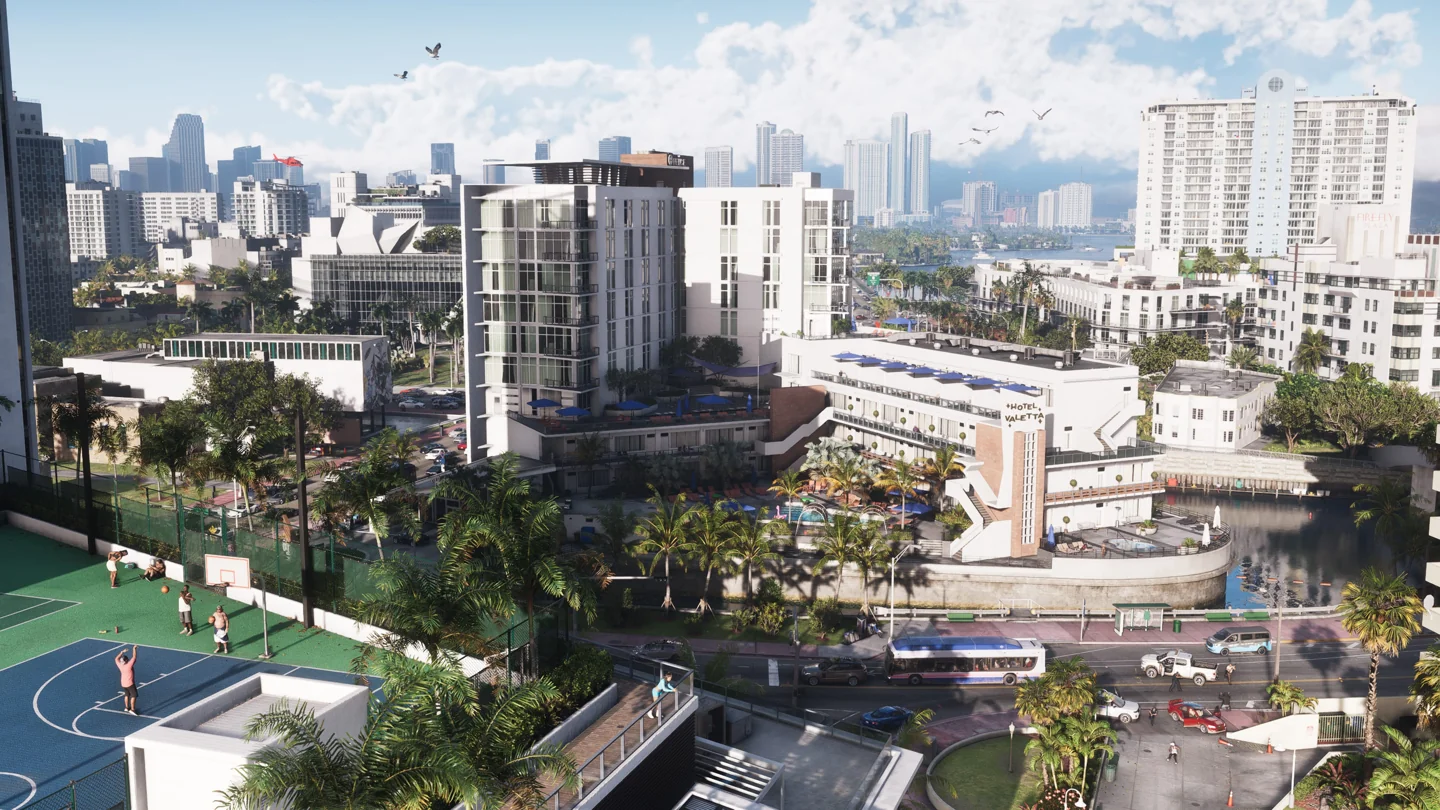
The strongest visual connection comes from more than palm trees. Rockstar describes Ocean Beach through pastel Art Deco hotels and white sand. Miami’s tourism organization highlights the Art Deco hotels of Miami Beach as a defining part of the area’s appearance.
Little Cuba adds a cultural reference. Its name and the bakeries in Rockstar’s description recall Miami’s Cuban presence. Learning about Little Havana and Calle Ocho explains that connection more effectively than assuming every fictional storefront has a single real counterpart.
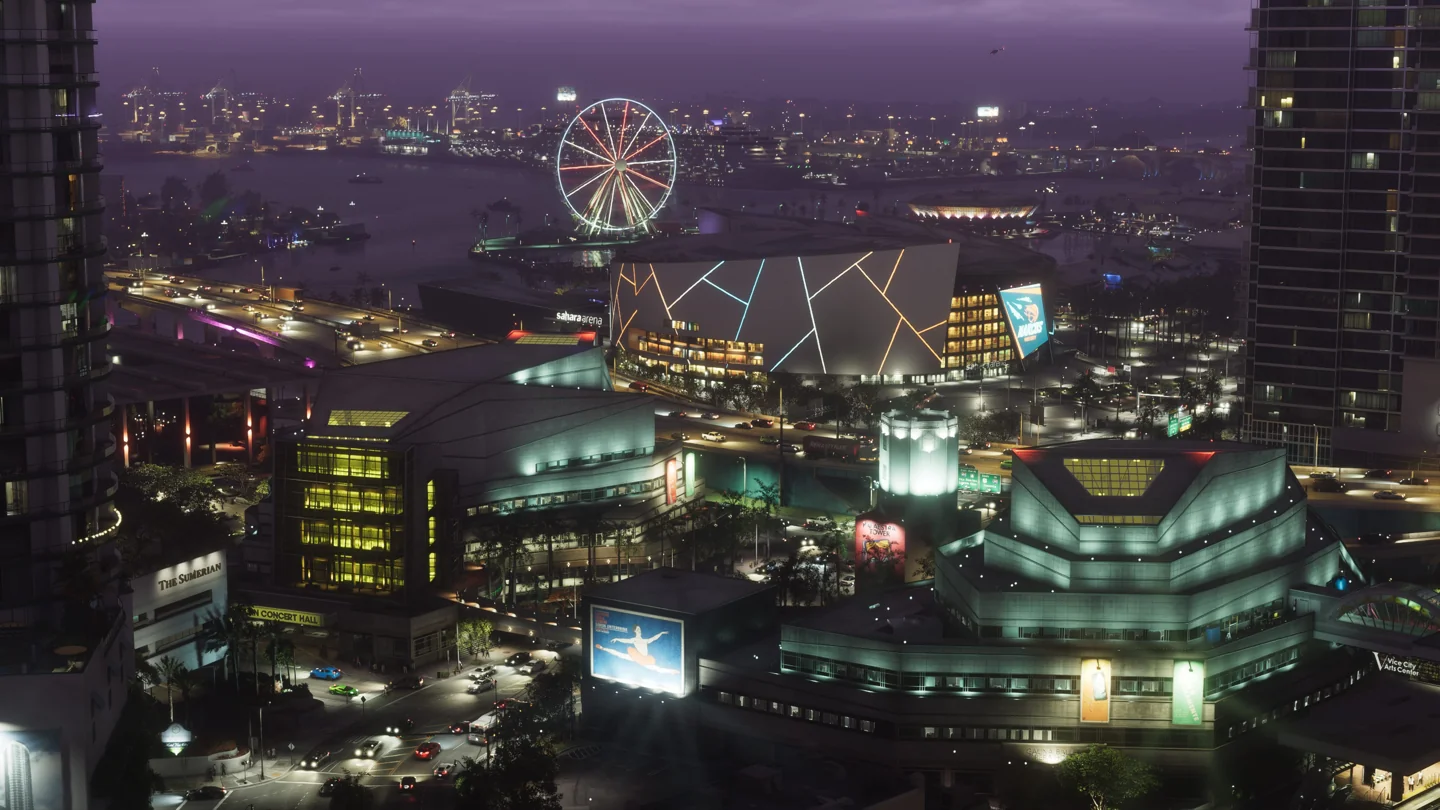
Nightlife, music, commerce, and visible differences in wealth also shape the comparison. These are ways to recognize a cultural inspiration even when a road or building has been redesigned. A city can feel familiar without being a navigable replica.
Leonida Keys and the Florida Keys
The island setting broadens the picture beyond Miami. In real Florida, the Florida Keys form an archipelago, with the Overseas Highway connecting much of the chain. The region’s official tourism site explains the relationship between islands, bridges, and maritime scenery.
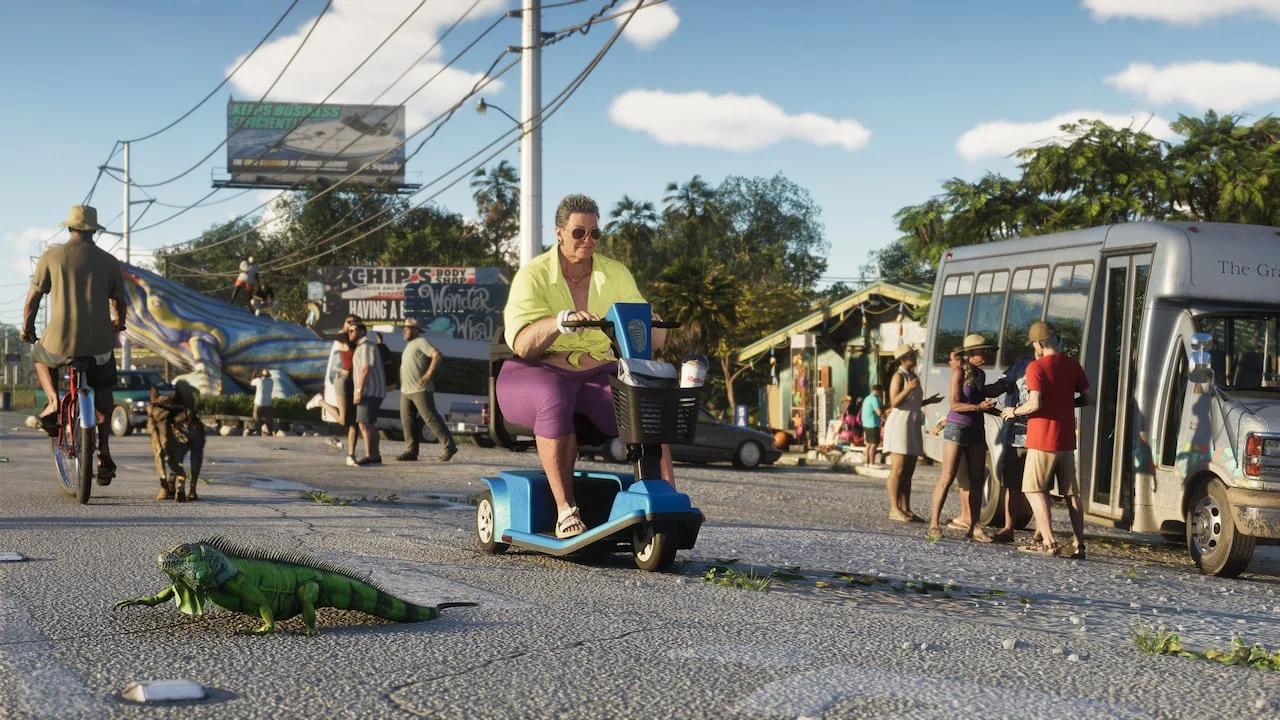
That reference helps explain the atmosphere of smaller communities and a life tied to the water. It does not establish the game’s driving times or the exact position of an island. Real travel distances and fictional geography answer different questions.
Grassrivers and the Everglades
Grassrivers evokes the wetland side of South Florida. Its name also recalls the Everglades’ familiar “River of Grass” description. The National Park Service explains that this phrase describes shallow water slowly moving through expanses of vegetation.
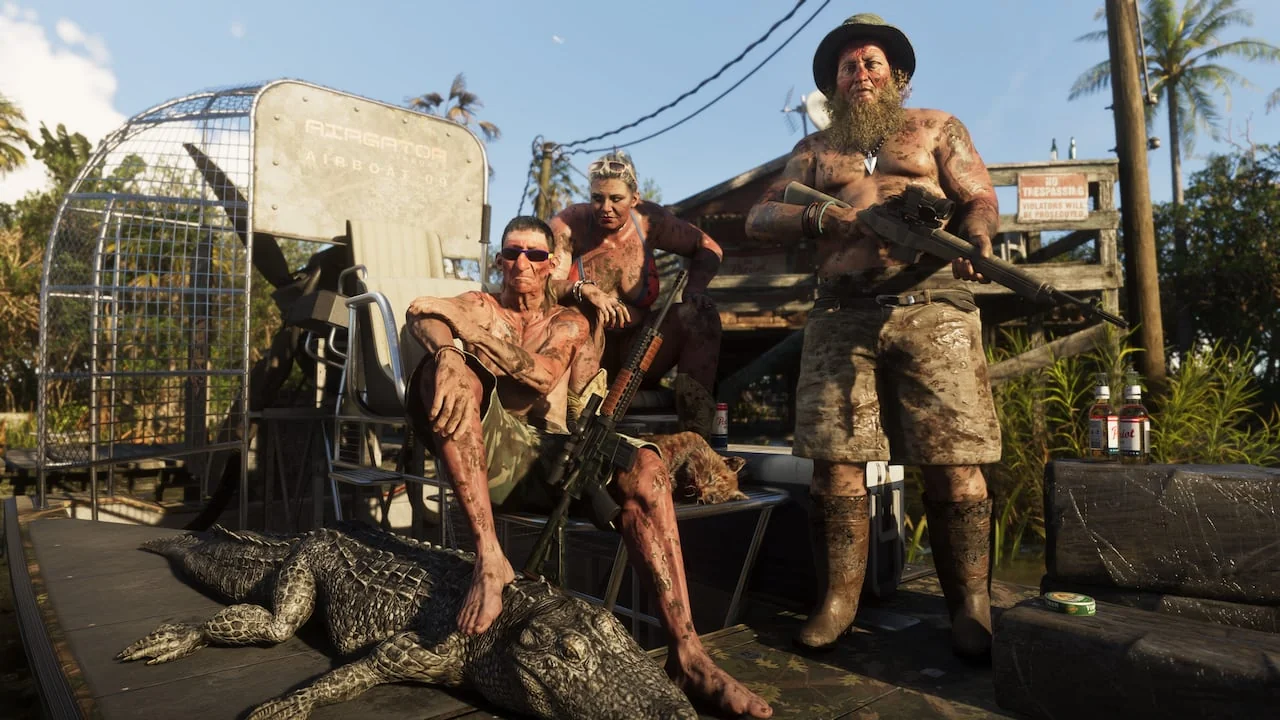
The real Everglades is more than an alligator swamp. Its habitats include mangrove forests, where fresh and salt water meet. Knowing that landscape makes the fictional imagery easier to read without treating the game’s satire as a complete account of the area or its residents.
Port Gellhorn, Ambrosia, and Mount Kalaga
Rockstar presents Port Gellhorn through faded tourism, Ambrosia through sugar-related industry, and Mount Kalaga through wooded country along Leonida’s northern edge. Together they establish a setting with different local identities rather than a single continuous beach city.
Their descriptions do not, by themselves, prove that each is an exact copy of one real town. A fictional destination can combine influences. Mount Kalaga especially illustrates why identifying a specific real mountain from the premise alone would go further than the evidence supports.
How to read a GTA 6 real-location comparison
An official screenshot establishes what Rockstar has shown. A geographic or tourism source describes a real place. The resemblance between the two can be persuasive while remaining a comparison rather than a confirmed building-by-building equivalence.
Look for clusters of details: beachfront hotels, bridges between islands, mangroves and boats, industrial buildings, and neighborhood life. Those patterns explain Florida’s presence in Leonida more reliably than assigning an exact address to every image.
For the city’s relationship to the older game, read GTA 6 vs. GTA: Vice City. To understand the people connected to these places, explore GTA 6’s characters and their relationships.