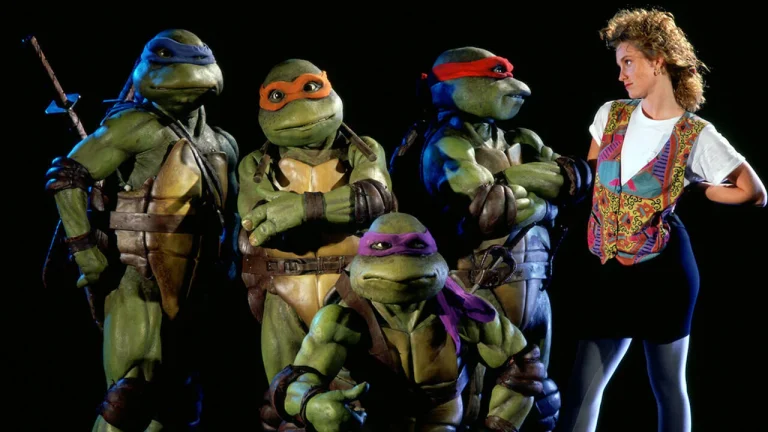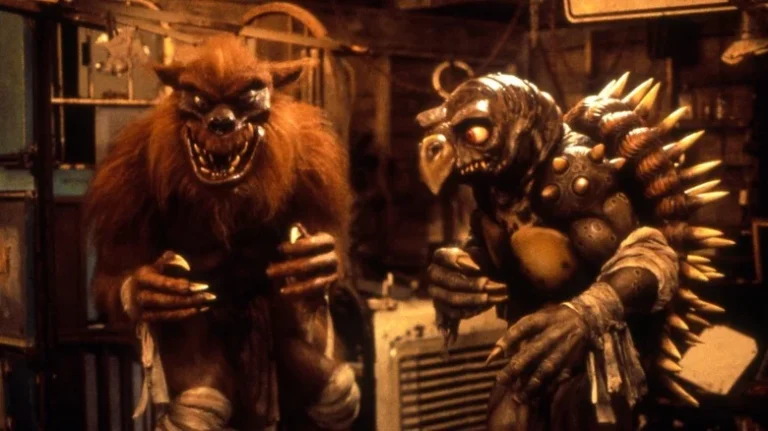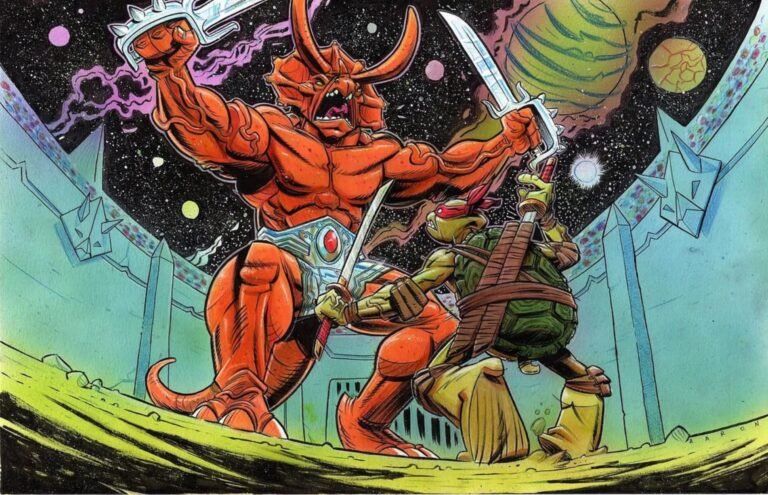
Leonardo is the Ninja Turtle with the blue mask and, in most versions, the brother who leads the team. He usually carries two katanas. He first appeared in 1984, joined the Foot as Dark Leonardo, and had to learn to lead after Raphael in Rise. This guide follows him through comics, television, movies, video games, and action figures. Major story sections contain spoilers.
The video below explains how Kitsune and Shredder turned Leo into Dark Leonardo in the IDW comics. It is in Spanish.
Who is Leonardo, the blue Ninja Turtle?
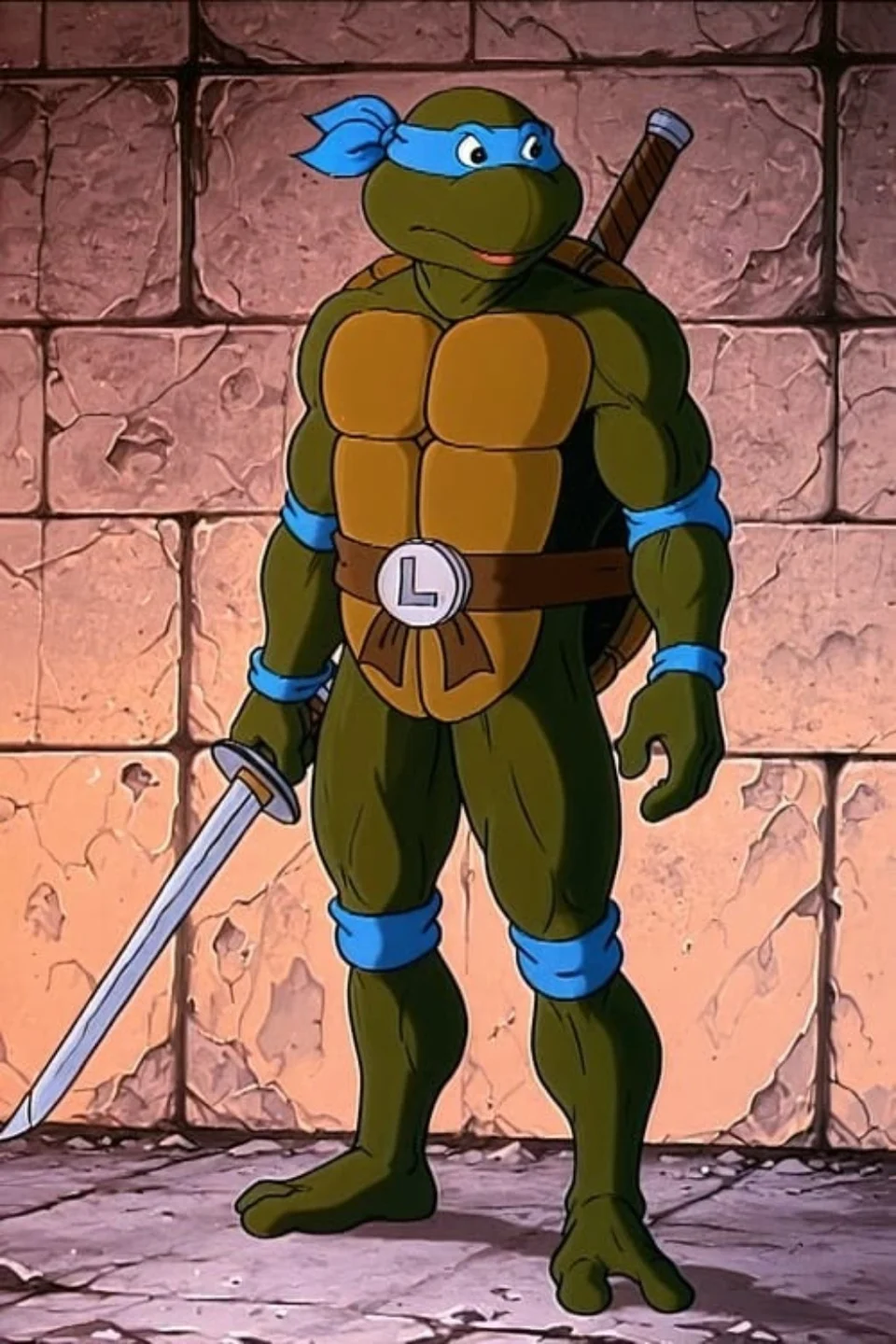

Leonardo, usually called Leo, is one of the four brothers in Teenage Mutant Ninja Turtles. Kevin Eastman and Peter Laird created him alongside Raphael, Donatello, and Michelangelo. He made his debut in Teenage Mutant Ninja Turtles #1, published by Mirage Studios in May 1984. Splinter raises him and teaches him ninjutsu. His namesake is Leonardo da Vinci, even though Donatello is the brother who builds the gadgets.
The best-known design brings together a blue mask, two swords, and the leadership role. Those features came together over time. The original comic was printed in black and white, and the team’s early color art gave all four red masks. The 1987 show made blue Leo’s signature color. Decades later, Rise started him off with one mystic sword and put Raphael in charge.
| Quick facts | Leonardo |
|---|---|
| Nickname | Leo |
| Created by | Kevin Eastman and Peter Laird |
| First appearance | Teenage Mutant Ninja Turtles #1 (Mirage, 1984) |
| Signature color | Blue |
| Usual weapons | Two swords commonly called katanas |
| Father and teacher | Splinter |
| A major exception | In Rise, Leo starts with an ōdachi and Raphael leads the team |
How Leonardo was created and how his origin changes

Eastman and Laird built an independent comic around the unlikely idea of four turtles trained as ninjas. It draws on the superheroes and martial arts comics they were reading. The Foot Clan echoes Daredevil’s Hand, and the canister that rolls into the sewer recalls Marvel’s origin story for that character. Mirage’s entry for the first issue documents their debut, origin, and first encounter with Shredder. For more on the creators, read how the Ninja Turtles were created.
In Mirage and the 1990 film, Splinter begins as Hamato Yoshi’s pet rat. In the original cartoon and the 2012 series, he is Hamato Yoshi himself, turned into a rat. Each show gives Yoshi a different family history. IDW’s 2011 comics connect the turtles and Splinter to the Hamato family in feudal Japan through reincarnation. That background explains why Tang Shen’s memory matters so much in City Fall.
In Rise, Baron Draxum creates the mutants for his own purposes. Splinter, formerly action star Lou Jitsu, rescues and raises them. The Mutant Mayhem version grows up in a New York where humans tend to react to mutants with fear. Ninjutsu is a way for the brothers to protect themselves, and their dream is to go to the surface and find people they can call friends.
The blue mask, the twin katanas, and the ōdachi
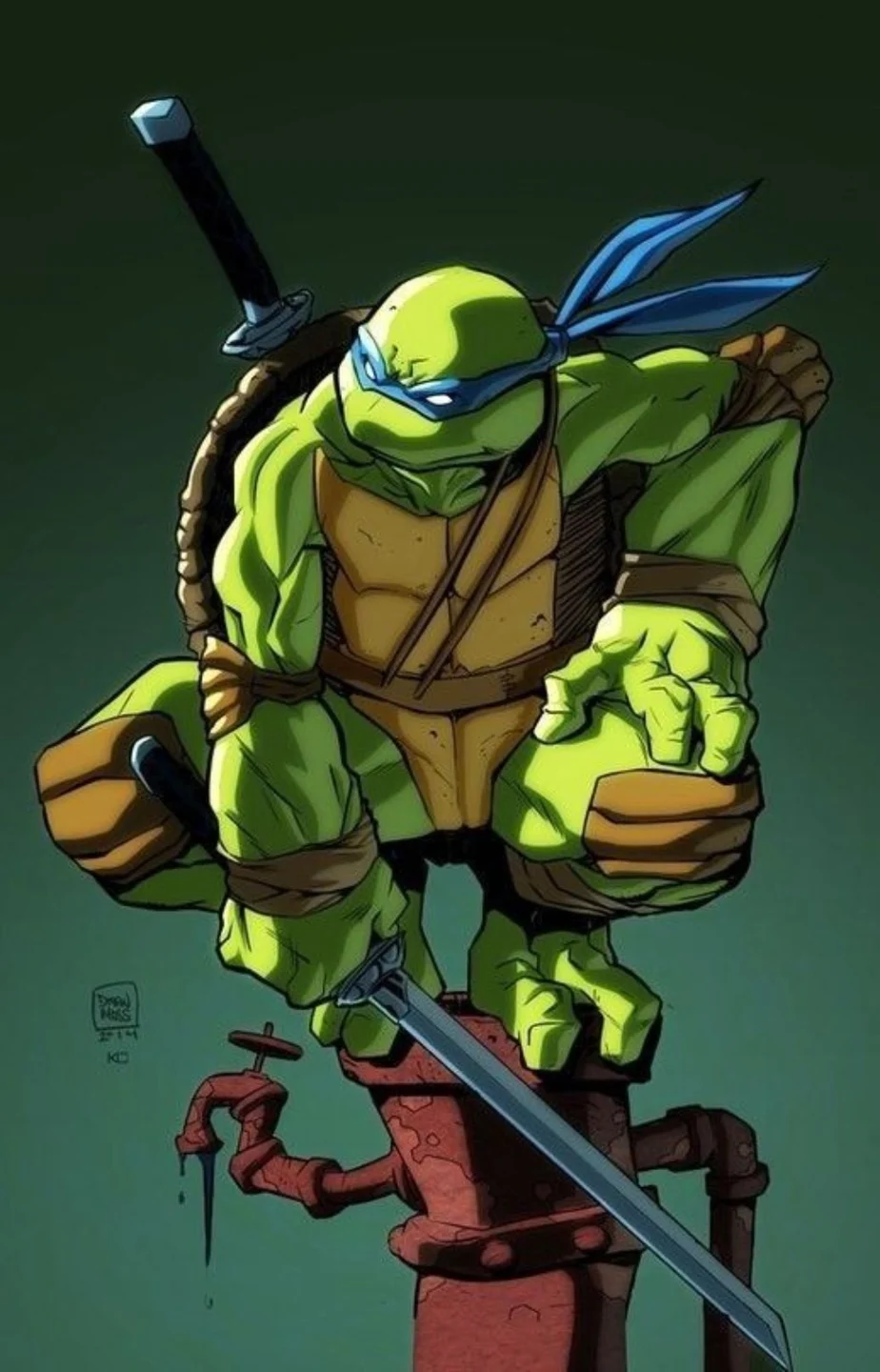

The blue mask and the L on the belt make Leonardo easy to spot in the original cartoon, even when his swords are sheathed. The shape of those blades changes between productions. Some are drawn straight and others have a visible curve. Katana is the name most often used by the franchise. You will also see the term ninjatō applied to particular designs. A drawing alone rarely settles what any given adaptation calls the weapon.
Nickelodeon introduced the Rise version as a red-eared slider with an ōdachi. The blade opens portals, letting Leo move people or turn the direction of an encounter without having to overpower an opponent. By the end of the show he has two new swords and can still open portals. Nickelodeon’s design announcement lists the species and weapons for each brother.
Across versions, stealth, observation, and coordination matter as much to Leo as swordsmanship. He can cover a brother’s retreat, buy time while the group regroups, or spot a route everyone else missed. Mystical abilities are specific to the stories that give him those powers.
What Leonardo is like and why he leads
Splinter often trusts Leo with decisions because he takes training seriously and thinks about how the whole group will get home. Preparing for everything can make him assume he should speak for everyone. His brothers may improvise to help and still get a lecture. When a mission goes wrong, he often takes on more blame than he deserves. The 2003 series makes that tendency the center of an entire stretch of episodes.
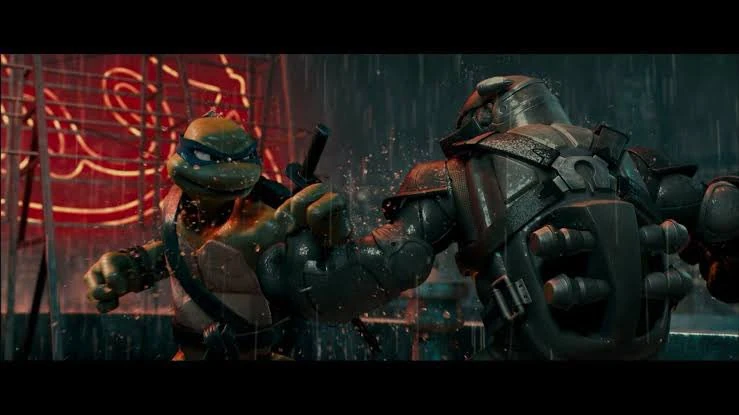
The 2007 rooftop duel with Nightwatcher puts that flaw on display. Leo thinks an uncoordinated vigilante puts people at risk. Raphael sees a brother who spent months away and came back ready to boss everyone around. When the helmet comes off, an argument about tactics becomes a family dispute. The fight matters because the team falls apart just as they need each other most.
Rise goes the other way. Leo is good at reading people, improvising, and talking his way into or out of trouble. He also uses jokes to hide how unsure he feels. Raphael wants him to think about consequences, and the 2022 movie makes both brothers test what happens when they rely on each other. Mutant Mayhem gives him another kind of vulnerability when a confident fighter struggles to talk to April.
Mirage: the debut, the ambush, and Return to New York

The first issue and the 1986 one-shot
In TMNT #1, Splinter sends his sons to confront Oroku Saki over the death of Hamato Yoshi. Leo manages to wound Shredder. It raises a question the series revisits repeatedly: what does loyalty to your teacher mean when you inherit a conflict that began before you were born?
Leonardo #1, released in December 1986, is the best single issue for seeing how the original version works. As his family prepares for Christmas, Foot soldiers chase him across the rooftops. Quiet panels of the pursuit alternate with the activity in April’s apartment. The two stories converge when a badly injured Leo crashes through the window. TMNT #10 picks up the aftermath. Different adaptations have used that pursuit as a starting point for their own versions of the ambush.
Northampton, the return, and Karai’s truce
In Return to New York (#19–21), Leonardo and Raphael disagree about returning to the city and how to approach the Foot. Once inside the enemy stronghold, they have help from Zog, a disoriented Triceraton. In issue #21, Leonardo faces the resurrected Shredder and kills him. The conflict outlives that duel. In City at War, rival factions of the Foot compete for control and Karai proposes an agreement. In issue #57, Leo faces someone with the authority to prolong or end the violence.

Archie, Image, Batman, and The Last Ronin

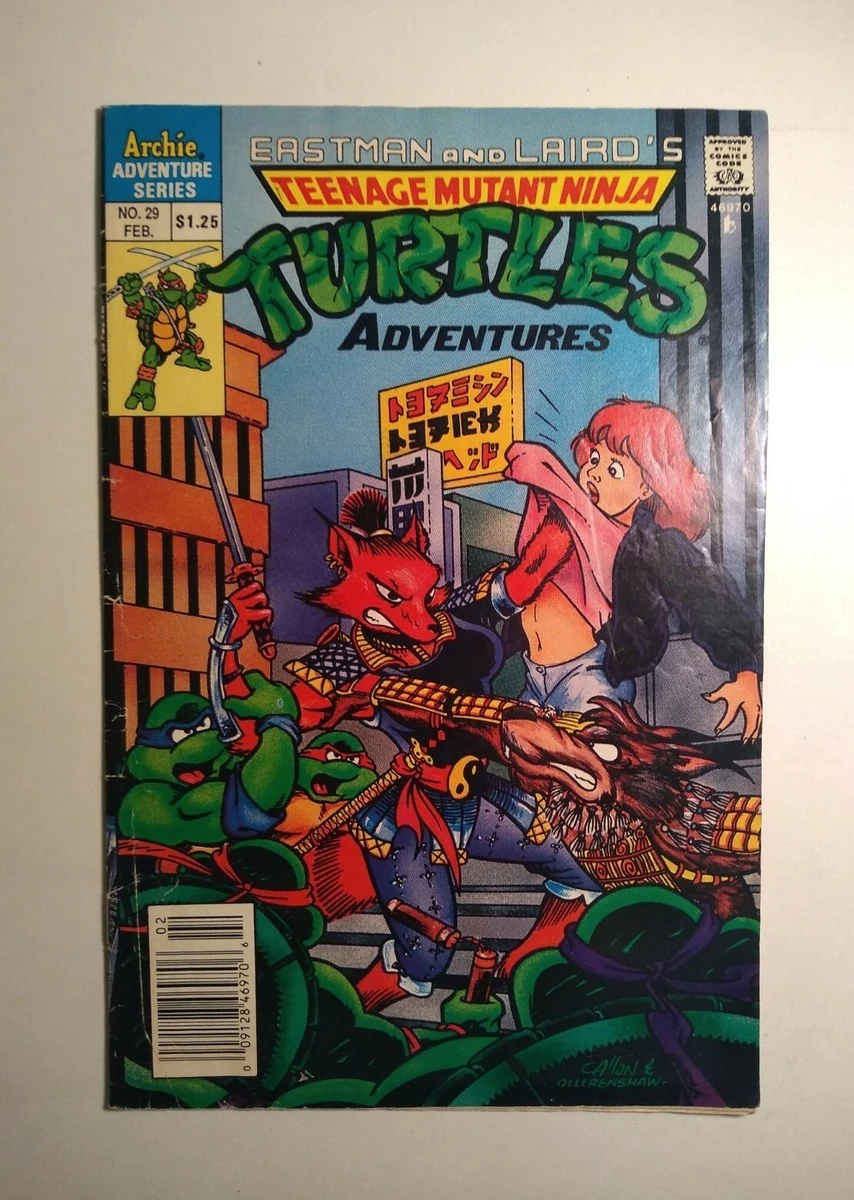
Archie. Teenage Mutant Ninja Turtles Adventures starts close to the 1987 cartoon and develops its own timeline. Issues #42–44, Future Shark Trilogy, open a window into that continuity’s future. It is worth reading Leo alongside the rest of the team here: travel through time, environmental crises, and new allies give him different kinds of decisions to make.
Image. In the third volume Leonardo loses a hand after tangling with King Komodo and keeps fighting with a prosthesis. IDW brought the run back as Urban Legends. Because the newer edition adds color and completes the story of the original run, confirm the title and issue number when you look for an individual chapter.
Batman. The Turtles visit Gotham in DC and IDW comics, while Batman vs. Teenage Mutant Ninja Turtles (2019) tells a separate animated story. Batman clashes with the team before they join forces against Shredder and Ra’s al Ghul. The initial fight works because both groups take the other side’s secrecy as a threat.
The Last Ronin. This alternate future reveals Michelangelo as the survivor. Issue #4 flashes back to the night Leonardo and Casey Jones die during Baxter Stockman’s assault. The brothers’ voices and weapons show what Michelangelo still carries when he returns to New York. Start with the original five-issue miniseries.


IDW: Dark Leonardo, Northampton, and the journey to India
Kitsune turns Leonardo against his family
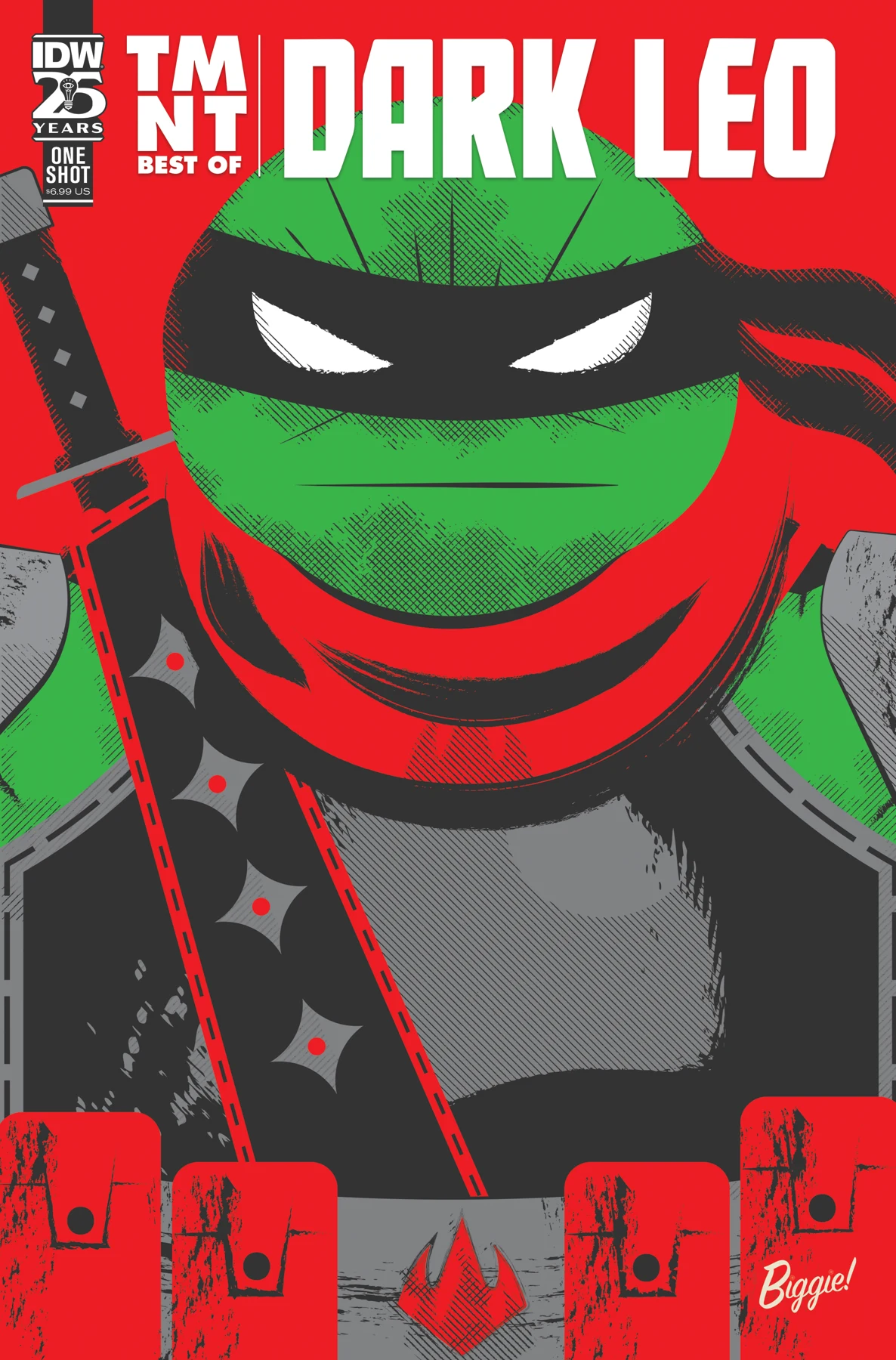
In the 2011 IDW continuity, Oroku Saki wants Leo as a member of the Foot Clan. During City Fall (#22–28), the Foot kidnaps him and Kitsune manipulates his memories and loyalties. From Leo’s point of view, Shredder becomes the teacher who deserves his devotion. The black mask makes the realignment visible. His brothers have to protect themselves against someone they still hope to bring home.
As memories of the Hamato family and Tang Shen contradict what Kitsune has taught him, the conditioning breaks down. Returning to his family leaves him with memories to reckon with in Northampton. The IDW Collection Vol. 4 picks up at issue #29. The Dark Leonardo guide explains the ambush, Alopex’s part in it, and which books collect the story.
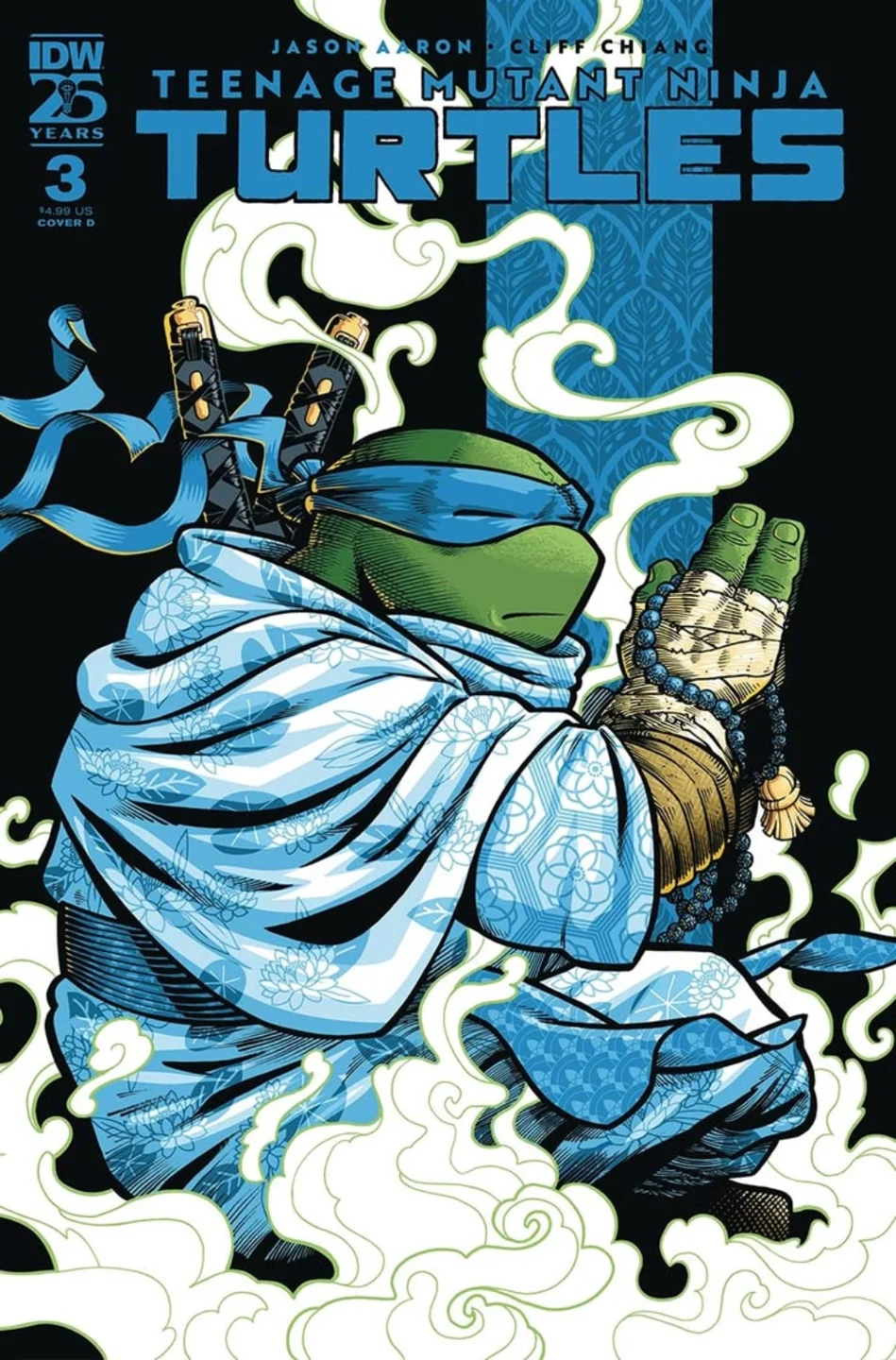
Jason Aaron and Cliff Chiang spotlight Leo in issue #3
IDW started the numbering over in 2024. Issue #3 follows Leo, living apart from his brothers and seeking peace in India. Jason Aaron writes and Cliff Chiang draws the issue. The change of setting shows how much of Leo’s identity rests on having someone to protect or a problem to solve. The Return to New York collection includes the opening issues of that run. It shares a title with the Mirage arc and tells a different story.
Issue #24 of the 2024 series closes Gene Luen Yang’s run. Fero Pe’s main cover brings Leo, Donatello, and Splinter together for the end of The City That Never Dies.
Leonardo in the 1987, 2003, 2012, Rise, and Tales series
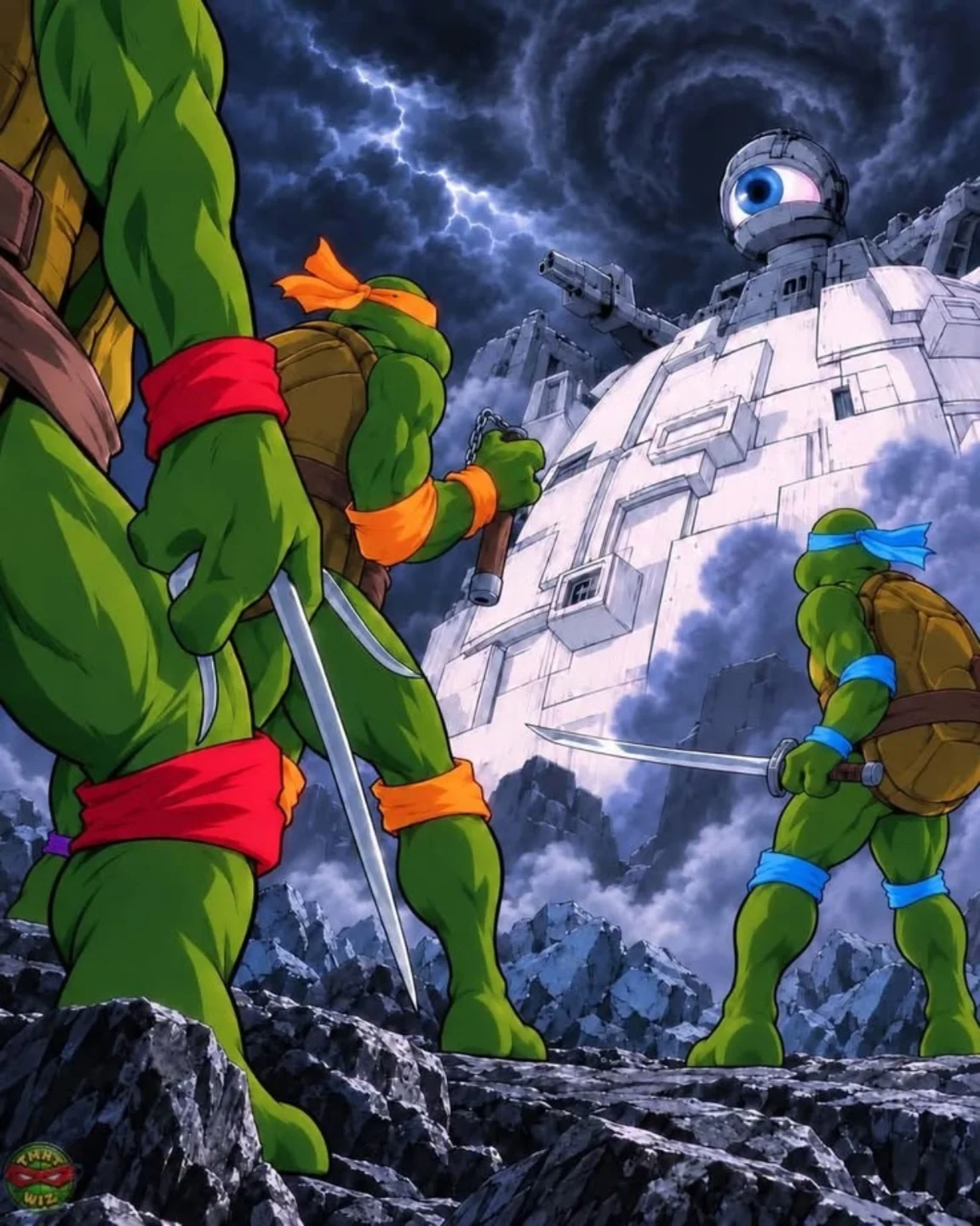

1987: the show that made the blue mask famous
The opening theme identifies Leo as the leader, and the blue mask picks him out on screen. In Take Me to Your Leader!, he loses faith in his ability to lead. Leonardo Lightens Up has fun with his tendency to treat everything as serious business. Lotus Blossom, a swordswoman hired by Krang in Beware the Lotus, earns his respect. The show later gives the team a different tone and look in the seasons commonly called Red Sky.
2003: the cost of a victory
The Shredder Strikes Back adapts the rooftop ambush from the 1986 one-shot. Leo ends up badly injured and the family takes refuge in the countryside. Later, Exodus (season 3) asks the Turtles to risk everything to stop the Utrom Shredder. Leo spends part of season 4 blaming himself for how close they came to dying. He goes to Japan in The Ancient One and has to face how much of that anger he has taken out on his brothers. In Fast Forward, the Dark Turtles include a clone of Leonardo, a separate character from IDW’s Dark Leo.
2012: Space Heroes, Karai, and inheriting the job
Leo admires Captain Ryan from the fictional show Space Heroes and tries to run missions according to what he sees on television. In Follow the Leader, Karai exploits the team’s poor coordination. At the end of season 2, The Invasion leaves him badly injured after fighting the Foot. Within the Woods begins his recovery away from New York. In Broken Foot, Leo secretly works with Karai and Shinigami. In Owari, the team confronts Super Shredder following Splinter’s death, and Leo defeats him.
Rise: Raphael gets the job first
In Rise (2018), Leo is an improviser who jokes his way through trouble and relies on his portal abilities. Raphael is the oldest brother and starts out as leader. Splinter puts Leo in charge at the end of the series, in the last part of Finale. The 2022 movie puts that choice to the test. See the best episodes of Rise for a way through the show.
Tales and The Next Mutation
Tales of the Teenage Mutant Ninja Turtles continues the world of Mutant Mayhem, with Nicolas Cantu returning as Leo. In Leo Nardo Stands Alone, Bishop’s robots divide the group and force him to think without his brothers there to help. The live-action Ninja Turtles: The Next Mutation (1997) adds Venus de Milo, expanding the team and revisiting what makes them a family.

Leonardo in the movies, from 1990 to Mutant Mayhem
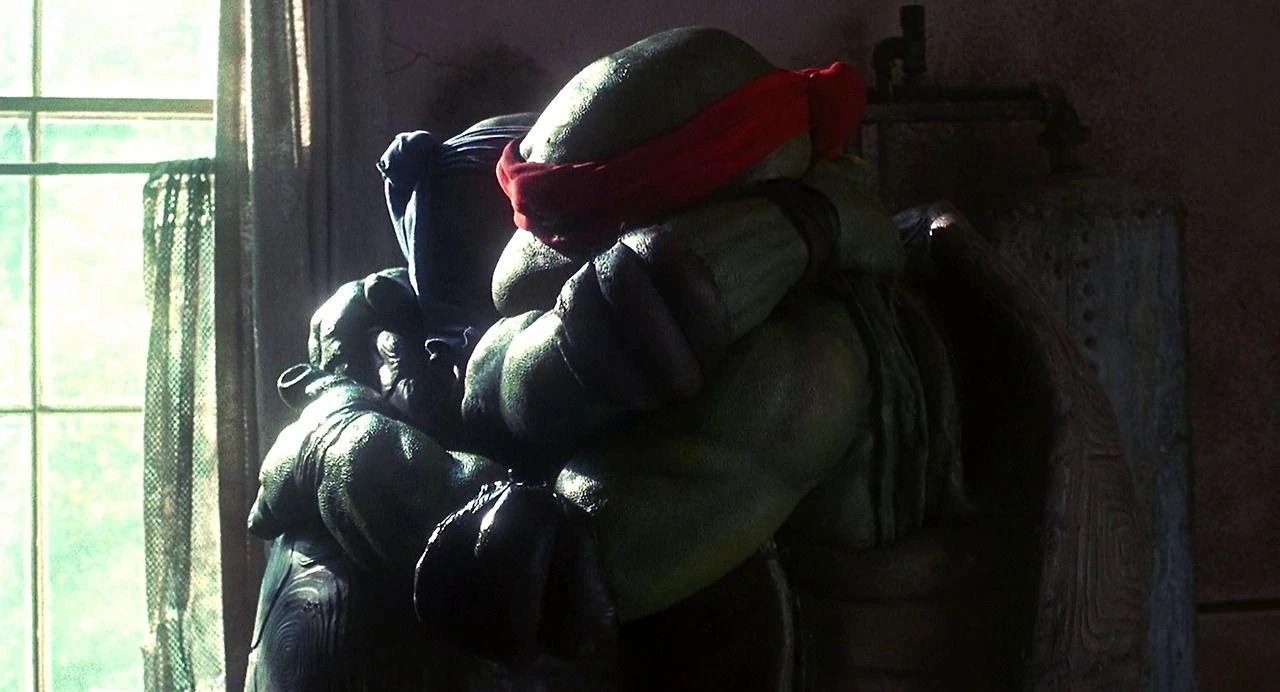
1990. The movie draws on the darkest parts of early Mirage but gives Raphael the beating that Leo received on the page. Leonardo waits for him to recover at the farm and has to keep his brothers together while Splinter is missing. Splinter gets the decisive encounter with Shredder. The 1990 movie guide covers the production, the suits, and other changes from the comics.
1991 and 1993. The Secret of the Ooze brings back the Foot and puts Leo in the middle of an investigation involving Keno, April, and Professor Perry. In the third movie, he and his brothers travel to feudal Japan. Getting home depends partly on what happens to the village caught in the conflict. Brian Tochi voices Leo throughout the trilogy.
TMNT (2007). Splinter sends Leo to Central America to train. April finds him and asks him to come home. While he has been away, Raphael has become Nightwatcher. Their rooftop fight leaves the brothers divided and gives their enemies an opening. James Arnold Taylor voices Leonardo in this animated film.
2014 and 2016. The Michael Bay-produced movies make the Turtles physically larger and give Leo his own armor and gear. Pete Ploszek performs him physically, and Johnny Knoxville provides the voice in the first movie. Ploszek performs both roles in Out of the Shadows. The sequel’s possibility of becoming human raises a question about who gets to make choices for the entire team.
Rise (2022). A future Casey Jones arrives to prevent the Krang invasion. The present-day Leo has to learn to rely on what his family can do. The film makes that literal when he stays on the other side of a portal and his brothers act to bring him back. Netflix’s film guide explains where the story picks up.
Mutant Mayhem (2023). Nicolas Cantu’s Leo wants to meet April and find a place for the Turtles in the world above. He can improvise under pressure in a fight and still get flustered in an ordinary conversation. School and the possibility of being accepted change what victory means to the team. Tales picks up in the same continuity.
Raphael, Splinter, Karai, April, and the people around Leo
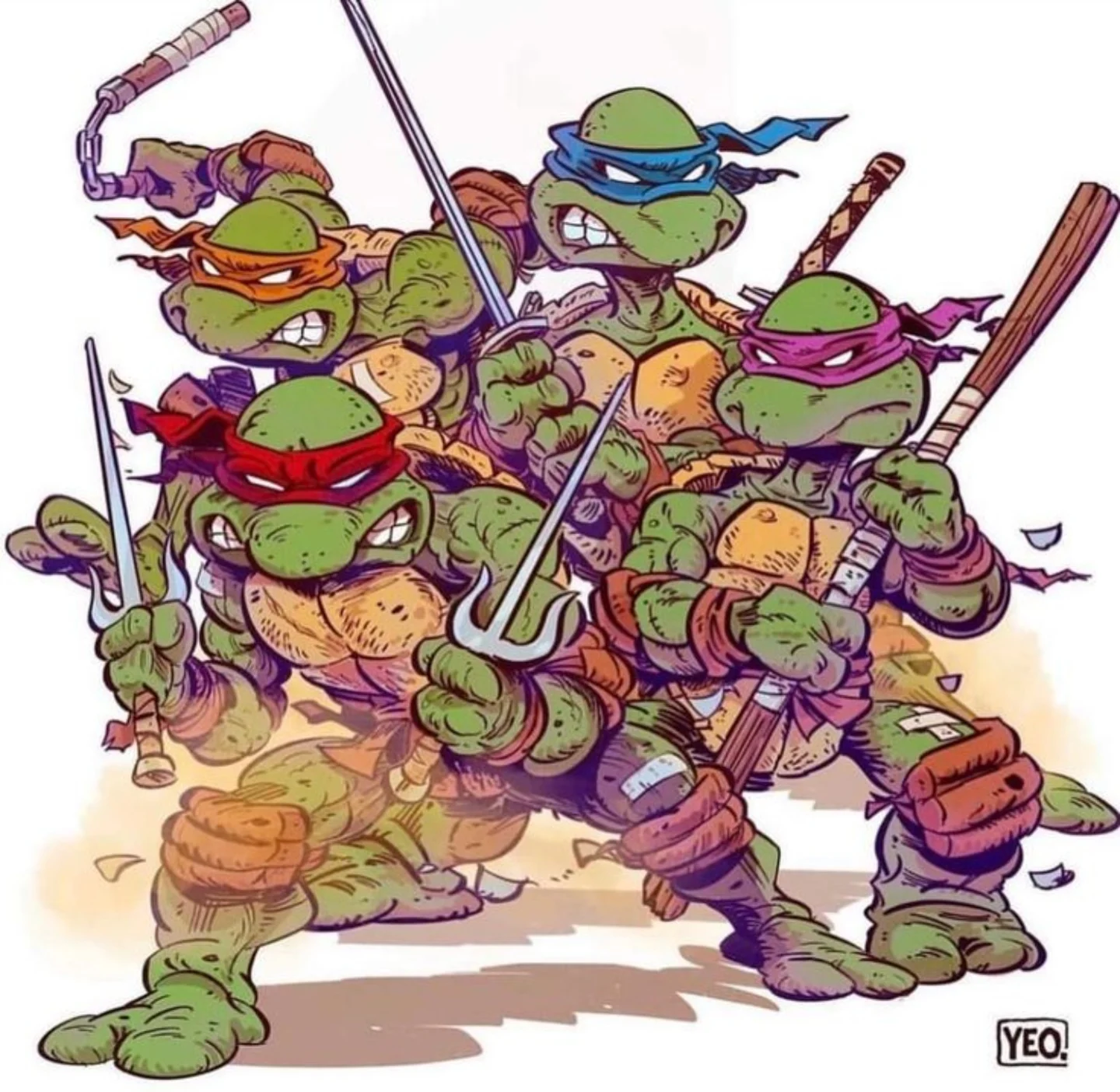
Raphael. The two brothers want to protect the same people and disagree about when to move. Sometimes Leo needs someone to question a rigid plan. Sometimes Raph needs someone who can tell him to stop. Return to New York, the 2007 movie, and the beginning of Rise show three sides of that relationship. Raphael’s guide follows many of those moments from his side.
Splinter. He is Leo’s father, teacher, and often his model for leadership. In IDW, Kitsune turns Leo’s loyalty to a teacher into a point of vulnerability. In the 2012 series, Splinter’s death leaves him with a responsibility the title of leader cannot prepare him to carry alone.
Donatello and Michelangelo. Donnie often turns a broad plan into something the team can execute, whether that means a route, a device, or information no one else has. Mikey solves problems by improvising and sometimes gets through to a brother everyone else is still arguing with. His mystic ability is crucial to Leo’s rescue in the Rise movie.
Karai, Lotus, and April. In Mirage, Karai is a Foot leader with whom Leo negotiates. In the 2003 show, her loyalty to Shredder complicates her relationship with the team. In 2012, Karai is Miwa, Splinter’s daughter, and the early episodes play up Leo’s attraction to her. Lotus Blossom plays a different role in the original cartoon. In Mutant Mayhem, Leo has a crush on April, who is also his friend and a connection to the human world. These relationships belong to their individual versions.
Shredder and Kitsune. Oroku Saki is the Hamato family’s enemy across several versions. The 2003 series distinguishes the Utrom Shredder from the other people or beings who bear the name. Kitsune in IDW is dangerous in a different way: she interferes with Leo’s ability to tell whom he is protecting and why.
The best comics and episodes for understanding Leonardo
| Story | Where to find it | Why it matters |
|---|---|---|
| The Christmas ambush | Leonardo #1 and TMNT #10 (Mirage) | The Foot isolates Leo from his family |
| The Shredder duel | TMNT #19–21 (Mirage) | His decision has consequences across the city |
| The cost of winning | Exodus and The Ancient One (2003) | Leo reconsiders what he owes his brothers after a victory |
| The Nightwatcher fight | TMNT (2007) | Each brother has a different explanation for the other’s absence |
| Dark Leonardo | City Fall and Northampton (IDW) | Shredder and Kitsune exploit his loyalty |
| The invasion and recovery | The Invasion and Within the Woods (2012) | Leo has to build back his confidence and strength |
| The Krang portal | Rise: The Movie (2022) | Leo relies on the brothers he used to try to lead by himself |
| A retreat in India | TMNT (2024) #3 (IDW) | Leo has to think about who he is away from the team |
For a short introduction, read the 1986 one-shot and watch The Shredder Strikes Back. Both begin with a similar idea, then show what changes when the chase moves from page to screen. If you already know the classic hero, watch the end of Rise and then the movie. For more time with Leo in print, follow Mirage and IDW as individual continuities.
How Leonardo plays across the TMNT video games
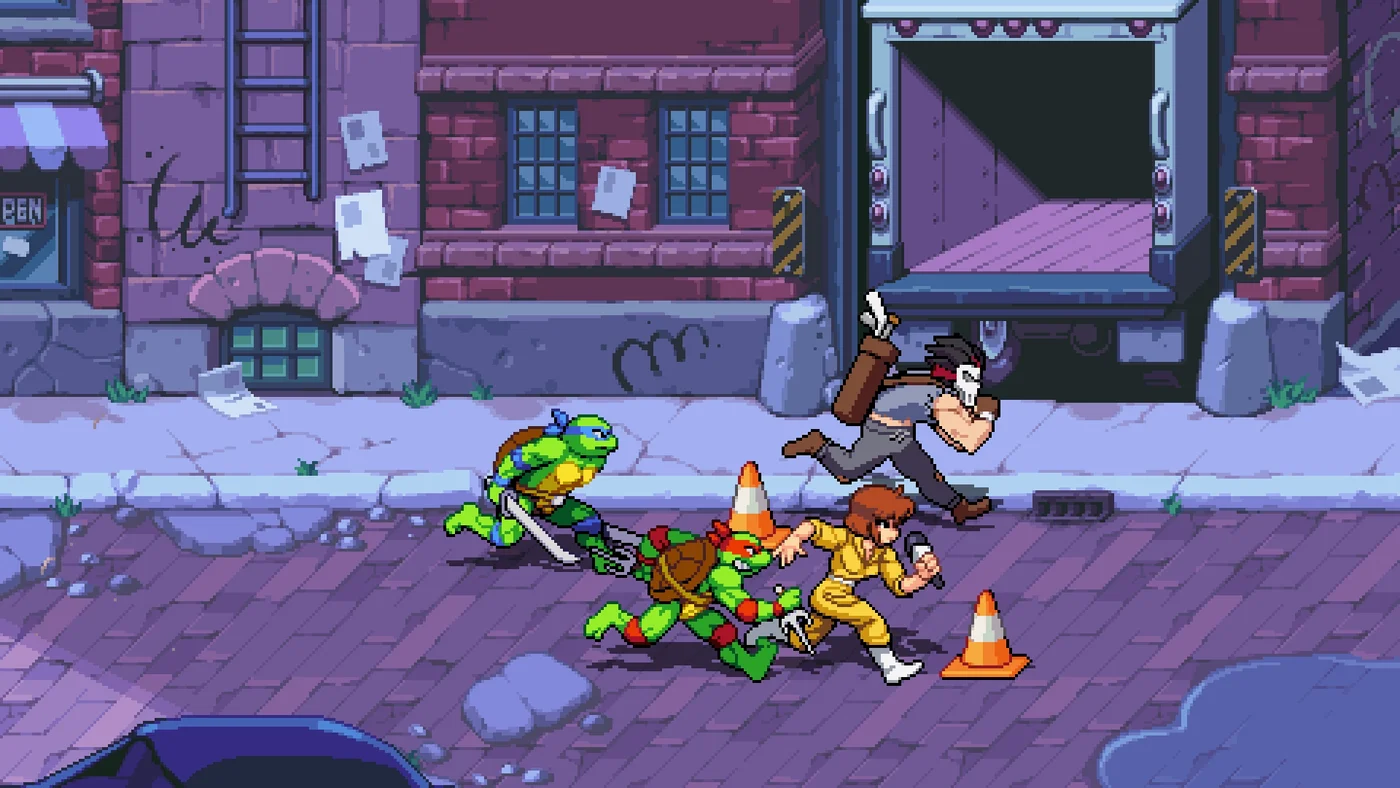
NES and arcade (1989). The NES adventure lets you switch among brothers, so keeping health in reserve matters alongside choosing the right weapon for the space. Konami’s arcade game gives each player one turtle in the group. Leonardo is a solid choice for learning what you can hit while keeping a crowd away from another player.
Turtles in Time (1991 arcade, 1992 Super NES) moves through different eras and makes crowd control part of the fun. The Cowabunga Collection includes both versions. The TMNT video game history explains what changes among arcade releases, console ports, and collections.
Shredder’s Revenge (2022) makes Leo a balanced character for learning dodges, jumping attacks, and group control. He is a sensible starting point before you try a fighter with more pronounced strengths. Dotemu’s Steam page includes screenshots and game details.
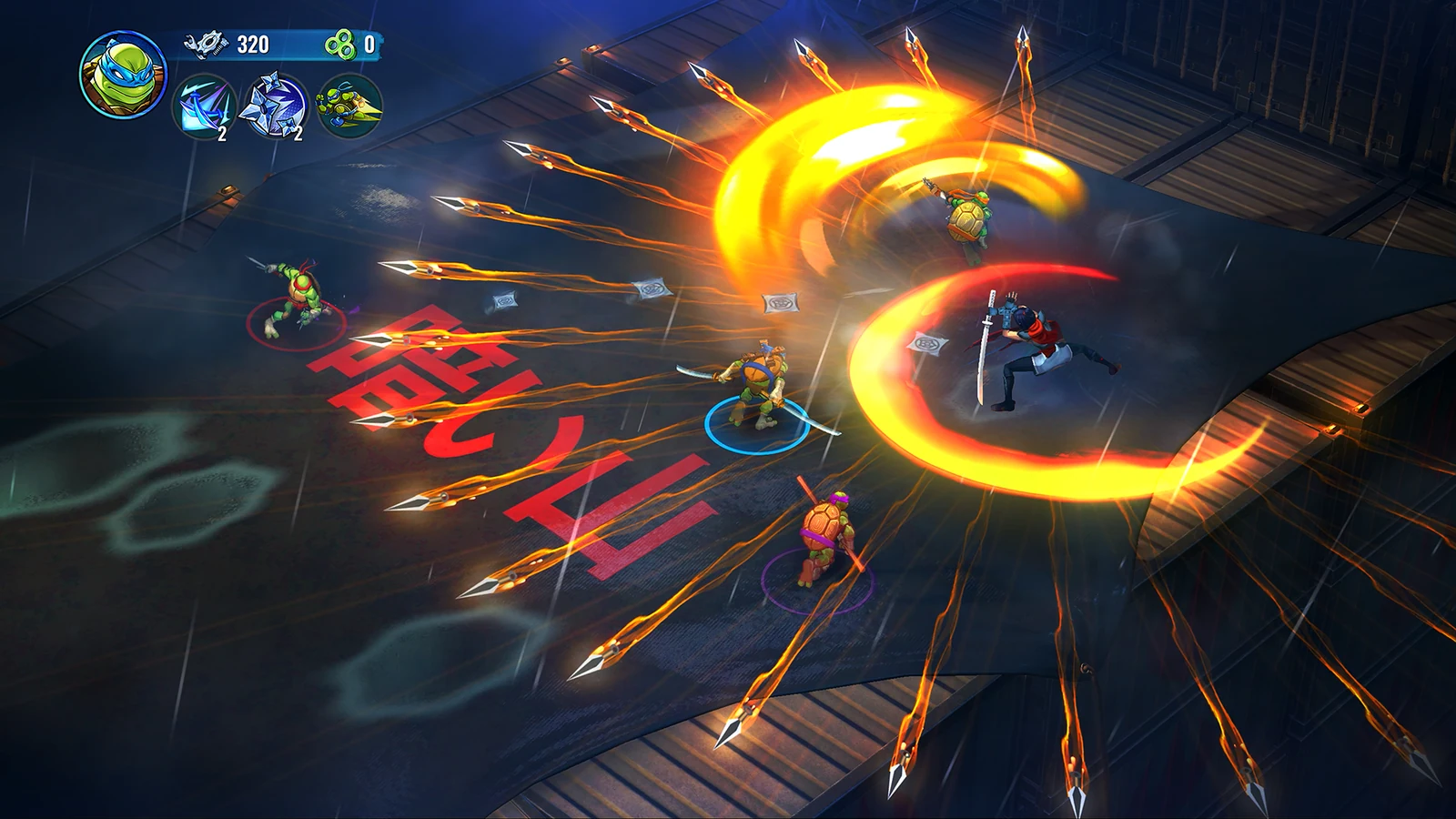
Splintered Fate combines co-op action and upgrades that change from one run to the next. Leo’s flexible attacks give him room to adapt his approach to the powers he finds. Mutants Unleashed uses the look of Mutant Mayhem in another New York adventure. In Injustice 2, Leonardo and his brothers appear as guest fighters, with a design built around one-on-one matches.
Leonardo figures from Playmates, NECA, Super7, Mezco, and Funko

The 1988 Playmates toy set the template for Leonardo figures: blue mask, an L on the belt, brown pads, and two swords. Early releases and later reissues can look nearly identical in a listing. Check the back of the card, mold markings, accessories, and the material of the head. The 1988 figure entry provides a reference for comparison.
Playmates also made Leo figures for Rise and Mutant Mayhem. The large ōdachi and stylized proportions identify the Rise figure. The Mutant Mayhem line draws on the sketch-like look of the 2023 movie. NECA has made Leonardo figures based on Mirage, the 1987 cartoon, and the 1990 film. A red mask makes sense on a figure based on Mirage.
Super7 ULTIMATES! reworks the vintage design with interchangeable parts and accessories. Mezco has offered One:12 Collective sets with all four turtles, including a set based on the 1990 movie. Funko represents several continuities, with Pop! Comics #38 using the IDW Dark Leonardo design. When listings call two very different figures simply “Leonardo,” identify the version first and compare what comes with each figure.

Who plays Leonardo?

| Version | Original Leonardo performer |
|---|---|
| 1987 animated series | Cam Clarke |
| 1990–1993 trilogy | Brian Tochi (voice), David Forman (suit, 1990), and Mark Caso (suit, 1991 and 1993) |
| The Next Mutation (1997) | Gabe Khouth (suit) and Michael Dobson (voice) |
| 2003 animated series | Michael Sinterniklaas |
| TMNT (2007) | James Arnold Taylor |
| 2012 animated series | Jason Biggs, Dominic Catrambone, and Seth Green |
| 2014 movie | Pete Ploszek (physical performance) and Johnny Knoxville (voice) |
| Out of the Shadows (2016) | Pete Ploszek (physical performance and voice) |
| Rise series and film | Ben Schwartz |
| Mutant Mayhem and Tales | Nicolas Cantu |
Jason Biggs originates the 2012 performance. Dominic Catrambone fills in during season 2 and Seth Green takes over beginning in season 3. The transition overlaps with Leo’s recovery from the attack by the Foot. In the live-action films, the suit performer and the voice actor can be different people. The original-cast reference provides more detail.
Frequently asked questions about Leonardo
Which Ninja Turtle is blue and what weapons does he use?
Leonardo wears the blue mask in most adaptations and usually carries two katanas. All four Turtles were red in early Mirage color art. In Rise, Leo starts out with a portal-opening ōdachi.
Is Leonardo the oldest Turtle? How old is he?
Age and birth order depend on the version. Leo is often treated as the brother in charge. In Rise, Raphael is specifically the oldest brother. The 2012 show begins when the Turtles turn fifteen.
Is Leonardo always the leader?
He leads in most familiar versions. Raphael starts out as leader in Rise and Splinter gives the job to Leo at the end of the series. Even when Leo has the title, the brothers regularly make their own calls.
Is Leonardo Dark Leonardo or the Last Ronin?
Dark Leonardo is the IDW version of Leo under Kitsune’s influence during City Fall. Michelangelo is the Last Ronin. IDW published both stories in different continuities.
Who wins a fight between Leonardo and Raphael?
In the rooftop duel in TMNT (2007), Raphael breaks Leo’s swords and has the upper hand before leaving. Other versions set different terms for their confrontations.